Incentives for Adopting Eco-Friendly Vehicles in India

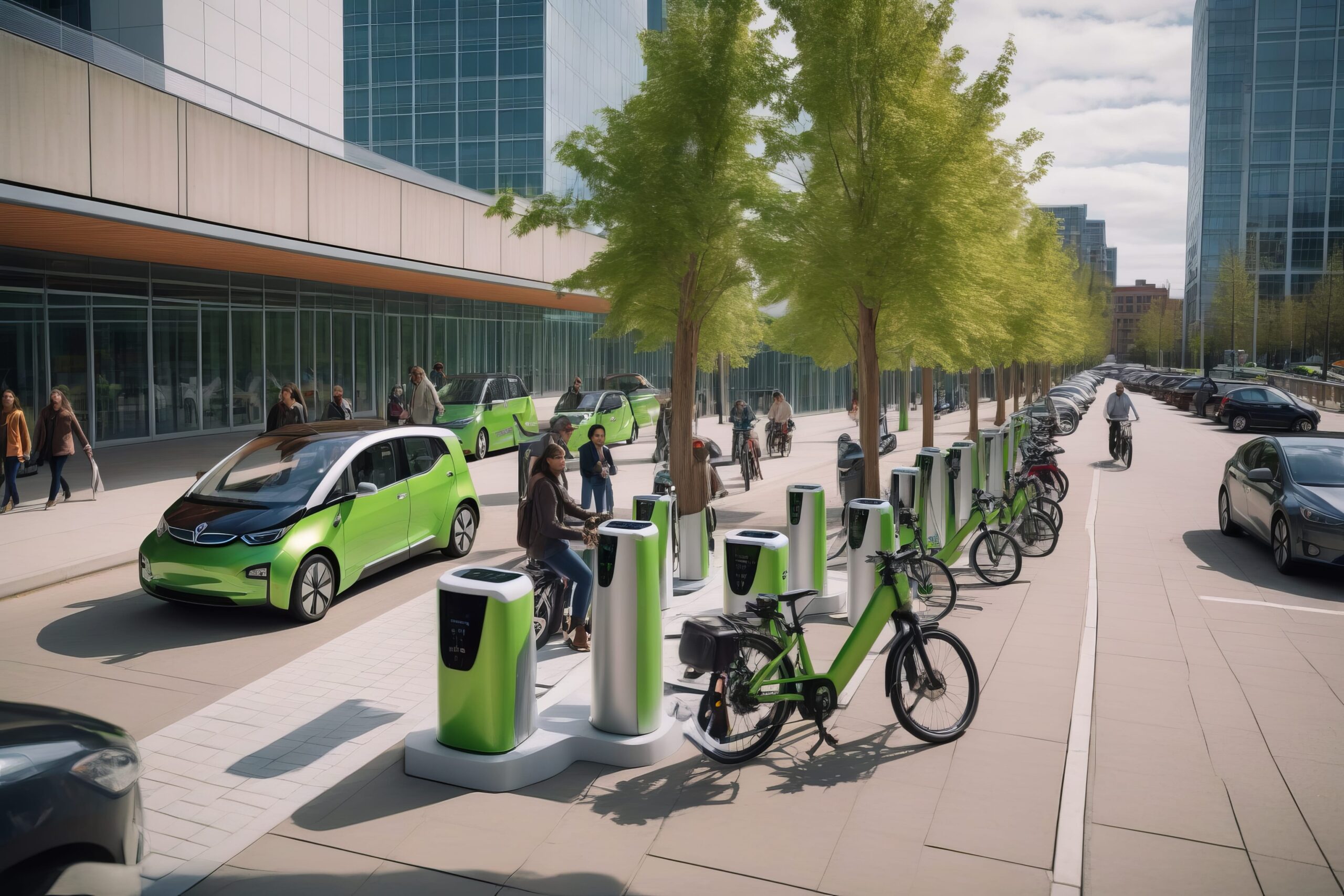
India is rapidly moving toward greener and more sustainable mobility. With increasing concerns about air pollution and climate change, the government is encouraging individuals and businesses to switch from traditional fuel vehicles to eco-friendly options like electric and hybrid vehicles. A variety of incentives—both financial and non-financial—are available to make this transition easier and more affordable.
Government Subsidies and Schemes for Eco-Friendly Vehicles
The Indian government has rolled out multiple schemes to support electric and hybrid vehicle adoption. One of the most notable is the Faster Adoption and Manufacturing of Electric Vehicles (FAME) India initiative, which offers direct subsidies to buyers of electric two-wheelers, three-wheelers, cars, and buses. The newer Electric Mobility Promotion Scheme (EMPS) and programs like PM E-DRIVE further extend demand incentives for certified EV models and support the development of charging infrastructure. These initiatives significantly reduce the upfront cost of eco-friendly vehicles and promote large-scale adoption.
Tax Benefits and Reduced Registration Costs
In addition to direct subsidies, the Indian government offers tax benefits to make eco-friendly vehicles more attractive. Buyers of electric vehicles can claim deductions on the interest paid on loans under Section 80EEB of the Income Tax Act. Moreover, electric vehicles are charged a lower GST of 5%, compared to higher rates on petrol and diesel vehicles. Many states also provide full or partial exemptions from road tax and registration fees, further lowering the cost of ownership.
State-Level Incentives and Infrastructure Support
Several Indian states have their own EV policies to complement central government initiatives. States like Delhi, Maharashtra, Gujarat, and Assam offer additional subsidies based on battery capacity, discounted electricity tariffs for charging, and incentives for setting up charging stations. Some states also provide perks such as toll exemptions, free parking in select areas, and special permits for electric commercial vehicles. These localized benefits encourage consumers and businesses to embrace eco-friendly mobility at the grassroots level.
Conclusion
India’s push for eco-friendly vehicles is supported by a robust mix of subsidies, tax benefits, and state-level incentives. Together, these measures significantly reduce the cost of purchase and ownership, making electric and hybrid vehicles a viable alternative to traditional options. For anyone planning to switch to a greener vehicle, understanding and utilizing these incentives can lead to substantial savings while contributing to a cleaner, more sustainable future.
Share this content:

Post Comment