EV Adoption Around the World: U.S., China, and Europe Compared
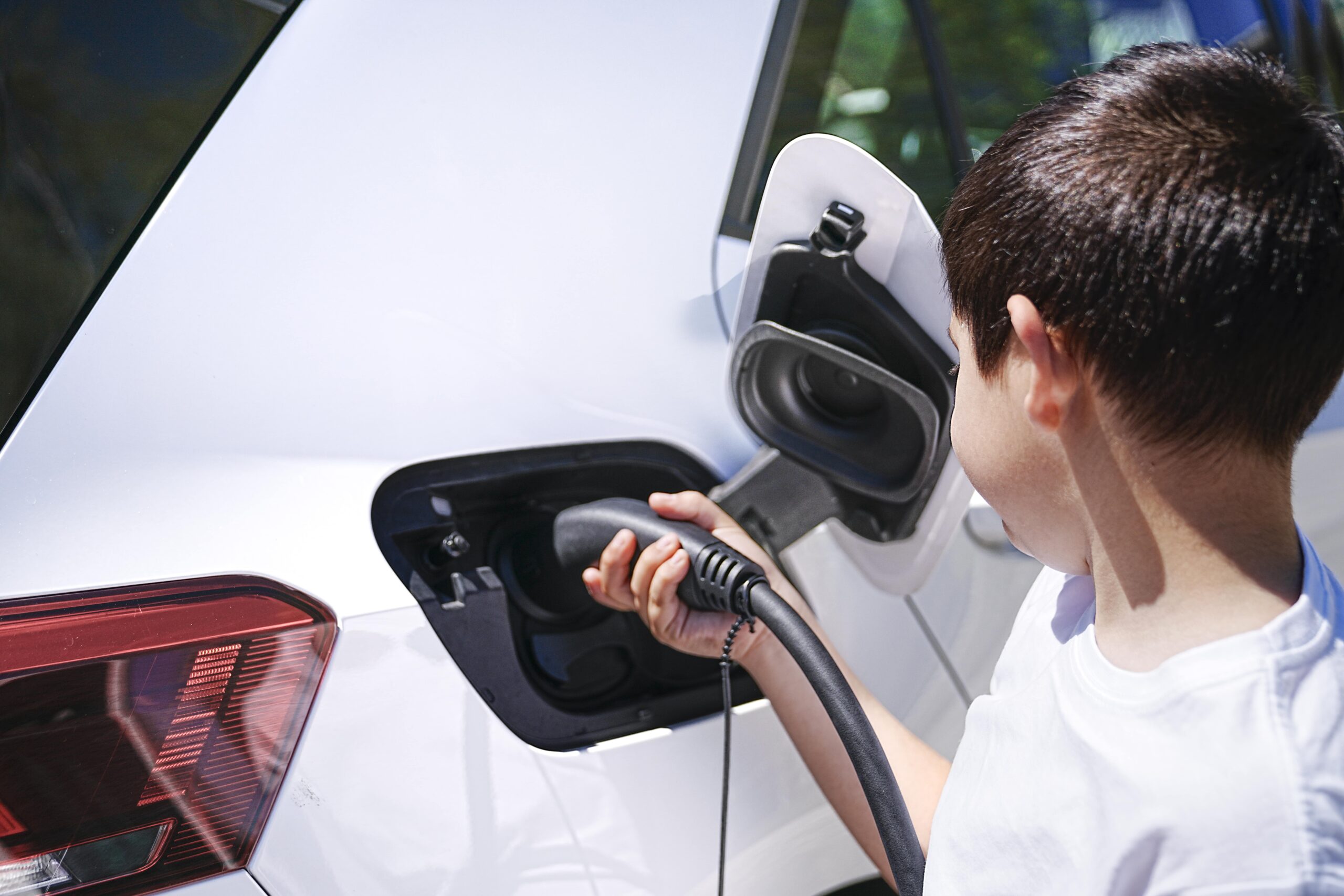
Electric vehicle (EV) adoption is accelerating worldwide, but the pace and approach vary significantly across regions. The United States, China, and Europe represent the three largest and most influential EV markets, each driven by unique policies, consumer behaviors, and industrial strategies. Understanding these differences provides valuable insight into how global electric mobility is evolving.
China: The Global Leader in EV Adoption
China leads the world in EV adoption, accounting for the largest share of global EV sales. Strong government support, including subsidies, manufacturing incentives, and strict emission targets, has fueled rapid growth. China’s dominance is further strengthened by its leadership in battery production and supply chains.
Chinese automakers offer a wide range of affordable electric models, making EVs accessible to mass-market consumers. Extensive public charging infrastructure and government-backed initiatives have helped reduce range anxiety, positioning China as the benchmark for large-scale EV deployment.
Europe: Policy-Driven Growth and Sustainability Focus
Europe has emerged as one of the fastest-growing EV markets, driven primarily by stringent environmental regulations and climate goals. The European Union’s aggressive emission reduction targets have pushed automakers to electrify their fleets rapidly.
Countries such as Norway, Germany, the Netherlands, and the UK lead the region in EV adoption, supported by incentives, tax exemptions, and strong charging infrastructure networks. Europe also places a strong emphasis on sustainability, battery recycling, and renewable energy integration, shaping a holistic EV ecosystem.
United States: Innovation-Led but Regionally Uneven Adoption
EV adoption in the United States is driven by innovation, private investment, and federal incentives, but growth remains uneven across states. California dominates EV sales, supported by strong environmental policies and charging infrastructure, while adoption in other regions is gradually catching up.
U.S. automakers and technology companies are heavily investing in EV platforms, autonomous driving, and software integration. Federal initiatives aimed at expanding charging infrastructure and domestic battery manufacturing are expected to accelerate EV adoption nationwide over the coming years.
Conclusion
While China leads in scale, Europe excels in policy-driven sustainability, and the United States focuses on innovation and technology, all three regions are moving steadily toward electric mobility. Together, they are shaping the global EV transition, influencing technology development, supply chains, and market trends. As EV adoption continues to expand, collaboration and competition among these regions will define the future of transportation worldwide.
Share this content:


Post Comment