Future of Electric Vehicles in India: What to Expect by 2030
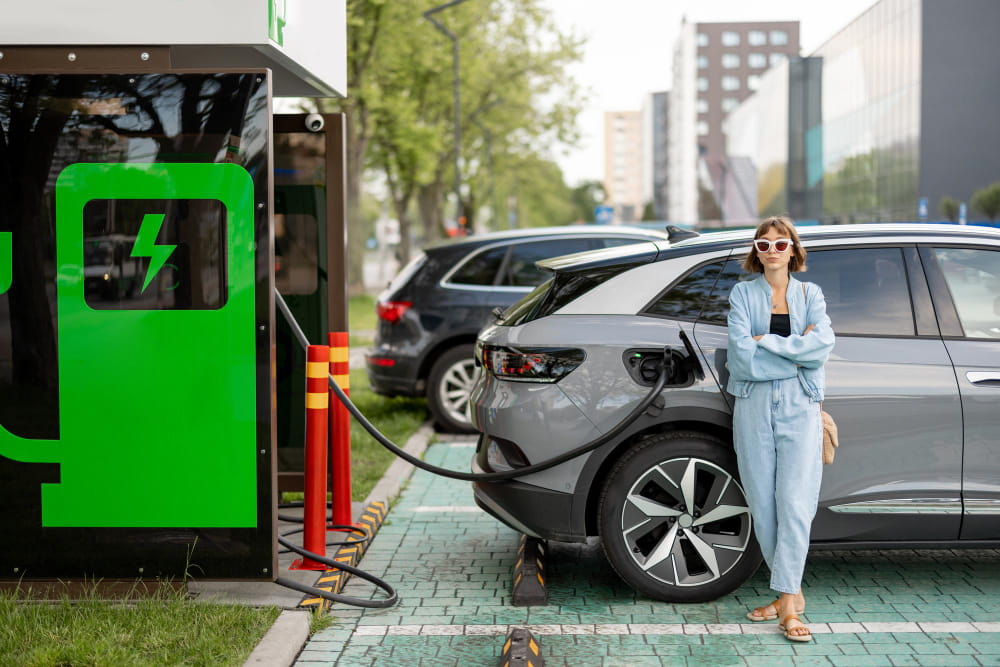
The future of electric vehicles in India will be shaped by more than new car launches. Affordable electric scooters, reliable charging stations, better batteries and stronger manufacturing capabilities will all influence how people and businesses travel by 2030.
For consumers, the transition raises practical questions about price, range and charging convenience. For businesses, it creates opportunities in vehicle manufacturing, components, charging equipment, software and battery recycling.
So, what could India’s electric mobility landscape look like by the end of the decade?
India’s Electric Vehicle Vision for 2030
India has identified an ambition of 30% EV penetration by 2030, according to the Office of the Principal Scientific Adviser. This is a policy ambition, and actual adoption will depend on affordability, infrastructure, technology and consumer confidence.
It is also important to distinguish new vehicle sales from the total number of vehicles on the road. Higher EV sales do not mean that existing petrol and diesel vehicles will immediately disappear.
Growth will vary across categories. Electric two-wheelers, passenger cars, buses and trucks serve different needs, so their transition will happen at different speeds.
1. Electric Two-Wheelers and Three-Wheelers Will Be Important to Watch
India’s EV transition extends well beyond passenger cars. Scooters, motorcycles and three-wheelers are essential to daily commuting, passenger transport and last-mile delivery.
These segments deserve particular attention because many users follow predictable daily routes. When charging access and vehicle range match those routes, electric mobility can become a practical option.
By 2030, developments to watch include:
- A wider choice of electric vehicles across price categories.
- Better access to servicing and replacement parts.
- Battery durability suited to frequent use.
- Charging and swapping options for suitable commercial applications.
For delivery businesses, vehicle uptime, battery warranties and service support will matter as much as the purchase price.
2. Electric Cars Could Reach More Buyers
The growth of electric cars in India will depend on how well manufacturers address household needs. Buyers will compare upfront prices, real-world driving range, charging access, safety and after-sales service.
A wider selection of models could help more buyers find vehicles suited to their budgets and travel requirements. However, availability alone will not ensure adoption.
Someone with dedicated parking and home charging may have a different ownership experience from someone who depends entirely on public chargers. Long-distance travellers will also need confidence in highway charging availability.
By 2030, the strongest customer proposition will combine an affordable vehicle with dependable charging and service support.
3. EV Charging Infrastructure Will Shape Adoption
Charging infrastructure is central to the future of electric vehicles in India. Buyers need confidence that they can charge where they live, work and travel.
The Ministry of Heavy Industries reported in February 2026 that PM E-DRIVE includes a ₹2,000 crore allocation for public EV charging stations across India. This represents funding support; it should not be confused with infrastructure already installed and operational.
Important areas for charging development include:
- Residential buildings and apartment complexes.
- Offices and commercial parking facilities.
- Highways and intercity travel routes.
- Bus depots and logistics centres.
- Public locations in smaller cities.
The quality of the network will matter alongside its size. Chargers need to work reliably, display clear prices and offer straightforward access and payments.
For fleet operators, charging schedules must also fit daily operations without creating excessive downtime.
4. Battery Technology Will Influence Price, Range and Safety
Batteries are a major part of the EV ownership experience. Their performance affects driving range, charging behaviour, durability and long-term confidence.
Battery development towards 2030 should be assessed through practical questions:
- How well does the battery perform in Indian operating conditions?
- What protection does it have against overheating?
- How clearly are warranty terms explained?
- Can owners access diagnostics and qualified repair support?
- What happens to the battery at the end of its vehicle life?
Battery management systems and thermal management will remain important areas of development.
Emerging technologies may offer new possibilities, but buyers and businesses should assess demonstrated performance and commercial availability rather than assume every announced innovation will become widely accessible by 2030.
5. Local Manufacturing Could Strengthen the EV Ecosystem
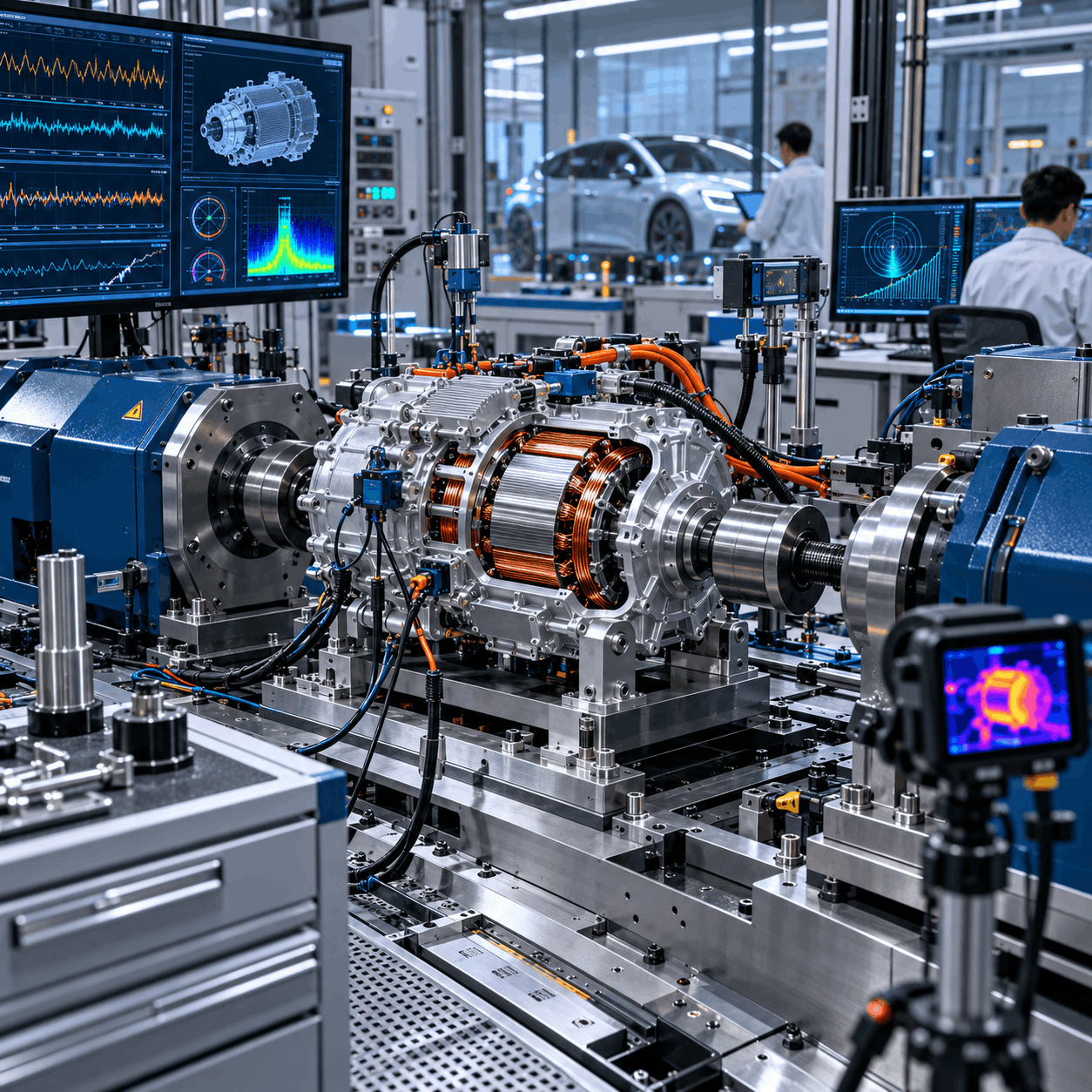
The electric vehicle industry needs a broad supply chain. Beyond vehicle assembly, it depends on batteries, motors, power electronics, connectors, charging equipment and software.
This creates potential opportunities for Indian manufacturers and suppliers in:
- Battery packs and associated components.
- Electric motors and motor controllers.
- Power electronics and charging systems.
- Wiring, connectors and thermal management equipment.
- Vehicle testing and diagnostic tools.
Building local capabilities requires consistent quality, testing, skilled workers and dependable sourcing. Domestic production can strengthen the ecosystem, while access to raw materials and specialised technologies will remain important considerations.
6. Commercial Fleets and Public Transport Offer Practical Use Cases
Electric mobility can serve businesses and public transport operators as well as individual buyers.
Delivery vehicles, taxis, buses and selected logistics operations may benefit when daily routes, charging locations and vehicle utilisation align.
Fleet operators should evaluate the complete operating model:
| Factor | Why it matters |
|---|---|
| Daily distance | Determines whether vehicle range fits the route. |
| Charging time | Affects scheduling and availability. |
| Depot capacity | Influences how many vehicles can charge together. |
| Maintenance support | Helps reduce downtime. |
| Financing and insurance | Affect the overall cost of deployment. |
| Battery warranty | Helps clarify long-term ownership exposure. |
The business case will vary by vehicle type and operation. A successful pilot on one route does not automatically establish suitability for every route.
7. EV Affordability Will Depend on Total Ownership Cost
The purchase price is only one part of affordability.
A useful comparison between an EV and a petrol or diesel vehicle should include financing, electricity or fuel, maintenance, insurance, charging equipment and resale value.
An owner who travels frequently and has convenient charging may reach a different conclusion from someone who drives occasionally and relies on public charging.
By 2030, clearer cost comparisons, battery health information and warranty terms could help buyers make better-informed decisions.
For businesses publishing ownership-cost examples, assumptions should be visible. Annual distance, electricity tariffs and the comparison vehicle can significantly change the result.
8. Battery Recycling Will Become an Important Industry Topic
A complete EV ecosystem must address batteries beyond their first use.
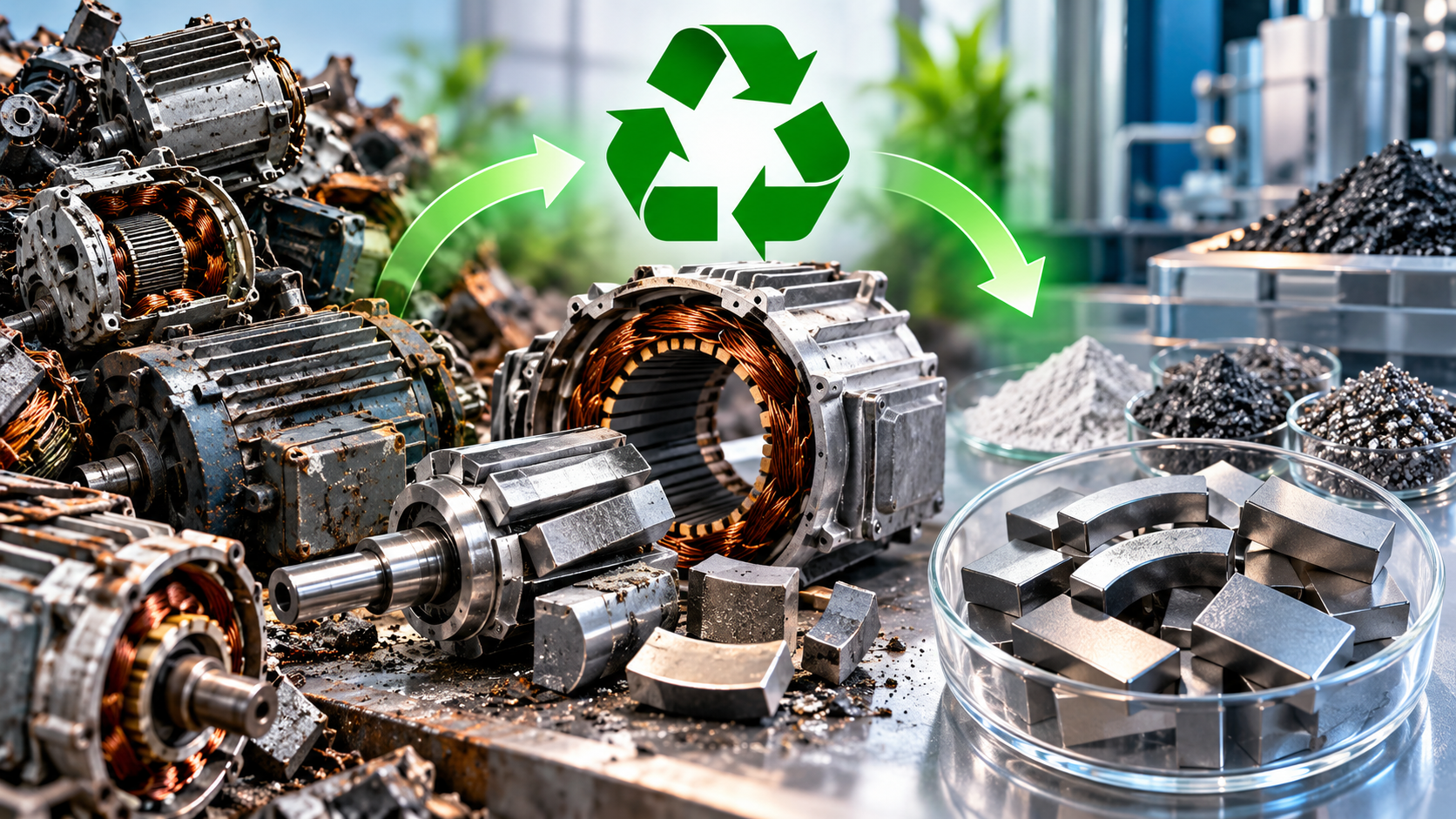
Battery diagnostics, collection, suitable second-life applications and material recovery are relevant areas for industry development.
Businesses exploring this sector should consider safe handling, traceability, transport, testing and applicable environmental requirements.
The sustainability discussion should also extend beyond tailpipe emissions. Electric vehicles have no exhaust emissions during driving, but their overall environmental impact depends on electricity generation, manufacturing and battery lifecycle management.
Challenges India Must Address Before 2030
The pace of EV adoption will depend on resolving several connected challenges:
- Upfront affordability and access to finance.
- Convenient charging for households without dedicated parking.
- Reliable public charging and electricity connections.
- Battery safety and transparent warranties.
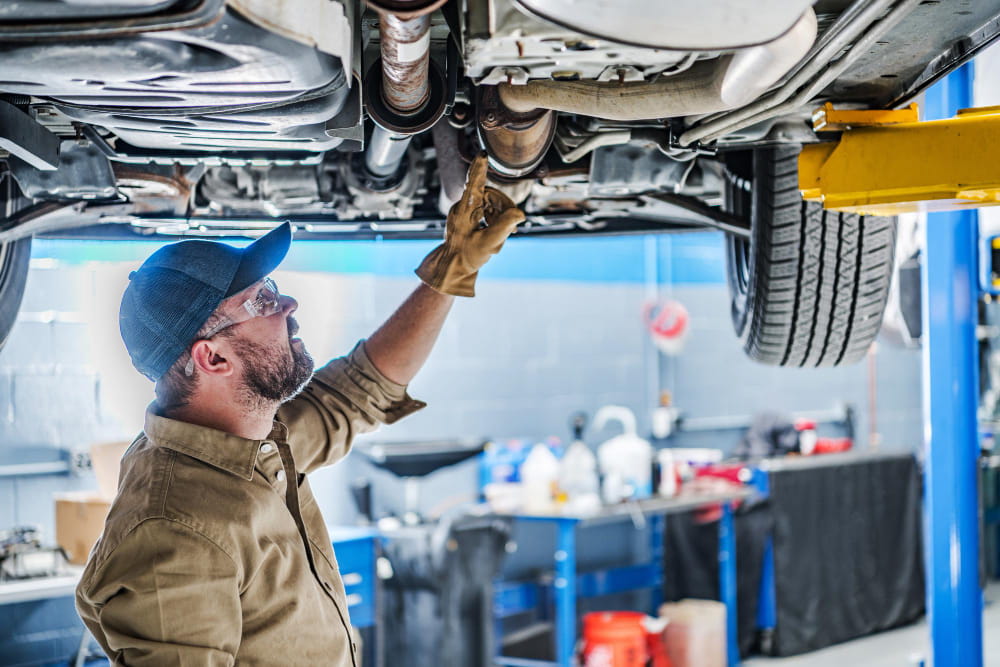
- Skilled servicing and repair networks.
- Supply-chain resilience.
- Buyer confidence in used EVs and resale value.
Addressing these issues will require coordination among manufacturers, charging operators, electricity providers, policymakers and service businesses.
Business Opportunities in India’s EV Industry
For the B2B sector, electric mobility creates opportunities across the vehicle lifecycle.
Companies can explore charging installation, fleet software, component manufacturing, testing equipment, technician training and battery recovery services.
The most useful starting point is a specific customer problem. For example, a fleet may need better charging schedules, an apartment complex may need shared charging access, or a service centre may need battery diagnostic equipment.
Solving these practical problems can create value as adoption expands.
How EV Exhibitions Support Industry Development
EV exhibitions provide a platform for manufacturers, component suppliers, charging companies, fleet operators and buyers to meet and compare solutions.
Product demonstrations and technical discussions can help visitors assess capabilities, ask operational questions and identify potential partners.
Platforms such as EV India Expo can connect industry participants across electric vehicles, charging infrastructure, batteries and allied technologies. Readers interested in participating should refer to the official event page for confirmed edition details and registration information.
What to Expect by 2030
India’s electric vehicle future will depend on how effectively the industry makes electric mobility affordable, dependable and convenient.
Progress should be assessed through practical outcomes: vehicles that suit daily needs, chargers that work reliably, batteries supported by clear warranties and service networks that owners can trust.
For consumers, that means more informed transport choices. For businesses, it means opportunities to develop the products and services needed to support the transition.
Frequently Asked Questions
What is the future of electric vehicles in India by 2030?
India is working towards wider EV adoption. The pace will differ across vehicle categories and depend on prices, charging access, policy support, manufacturing capabilities and consumer confidence.
Will electric vehicles replace all petrol and diesel vehicles by 2030?
A complete replacement should not be assumed. New vehicle sales and the existing vehicle fleet are different measures, and vehicles already on the road remain in use for years.
What are the biggest challenges for EV adoption in India?
Key challenges include upfront cost, convenient charging, battery confidence, financing, service availability and resale uncertainty.
What business opportunities does the EV industry offer?
Potential opportunities include components, charging equipment, installation, fleet software, testing, servicing, technical training and battery recycling.
What should buyers check before purchasing an EV?
Buyers should assess daily travel needs, charging access, real-world range, battery warranty, service support and total ownership cost.
Share this content:
Post Comment