How EVs Support Climate-Friendly Public Transport Initiatives

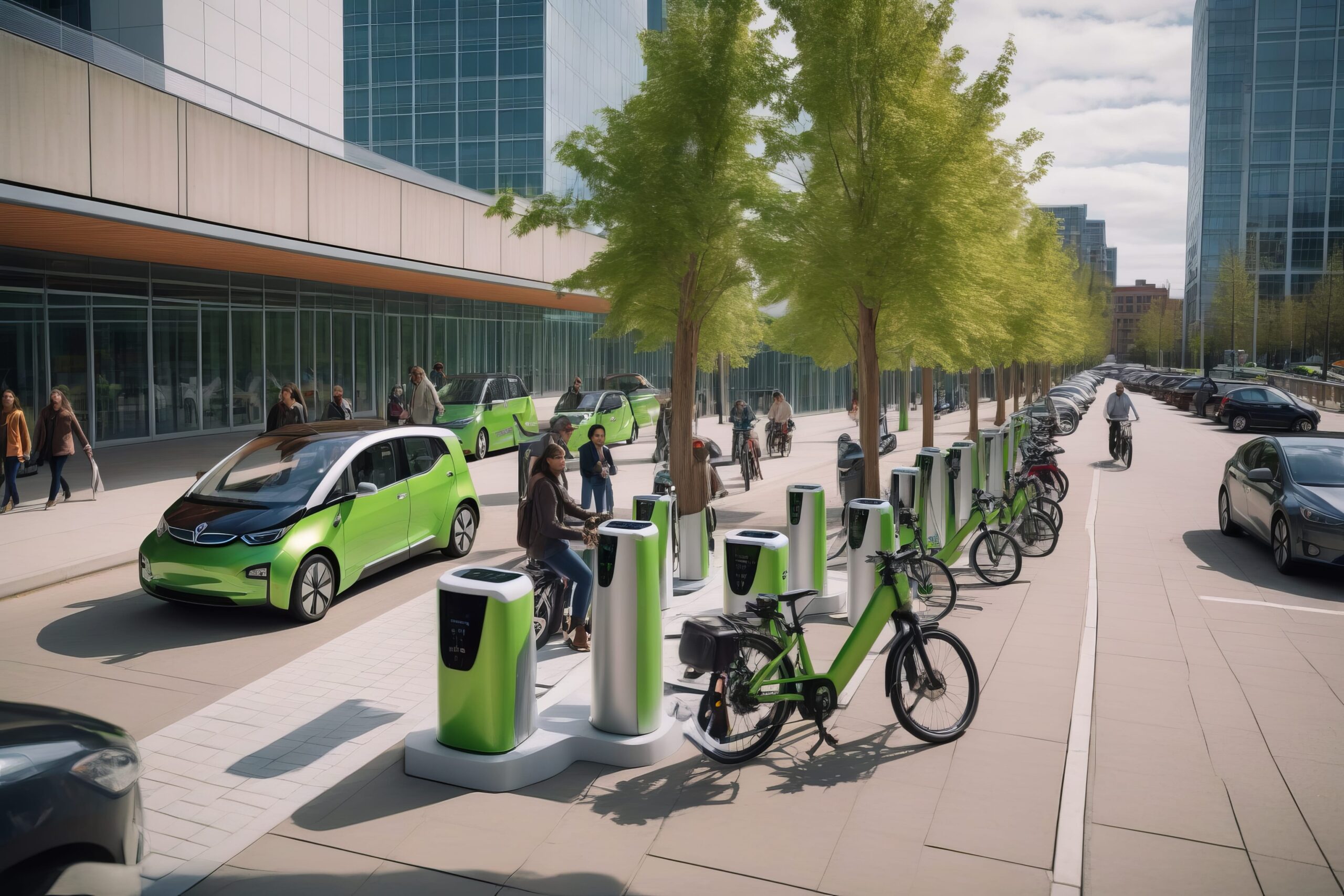
As cities strive to reduce carbon emissions and combat climate change, the transportation sector plays a vital role in this transformation. Electric vehicles (EVs) are emerging as a cornerstone of climate-friendly public transport initiatives, offering a clean, efficient, and sustainable alternative to conventional fuel-based systems. From buses and taxis to shared mobility services, EVs are redefining the future of eco-friendly public transportation.
Electrifying Public Transit for Cleaner Mobility
The electrification of buses, metros, and shared transport fleets is one of the most effective ways to lower urban pollution. Electric buses emit zero tailpipe emissions and operate quietly, improving air quality and reducing noise in densely populated areas. Cities across India and the world are deploying electric buses under climate-friendly public transport initiatives to replace diesel fleets, cutting down greenhouse gases and operational costs simultaneously. These EVs also benefit from regenerative braking, which recovers energy and improves efficiency during frequent stops.
Integration with Renewable Energy and Smart Infrastructure
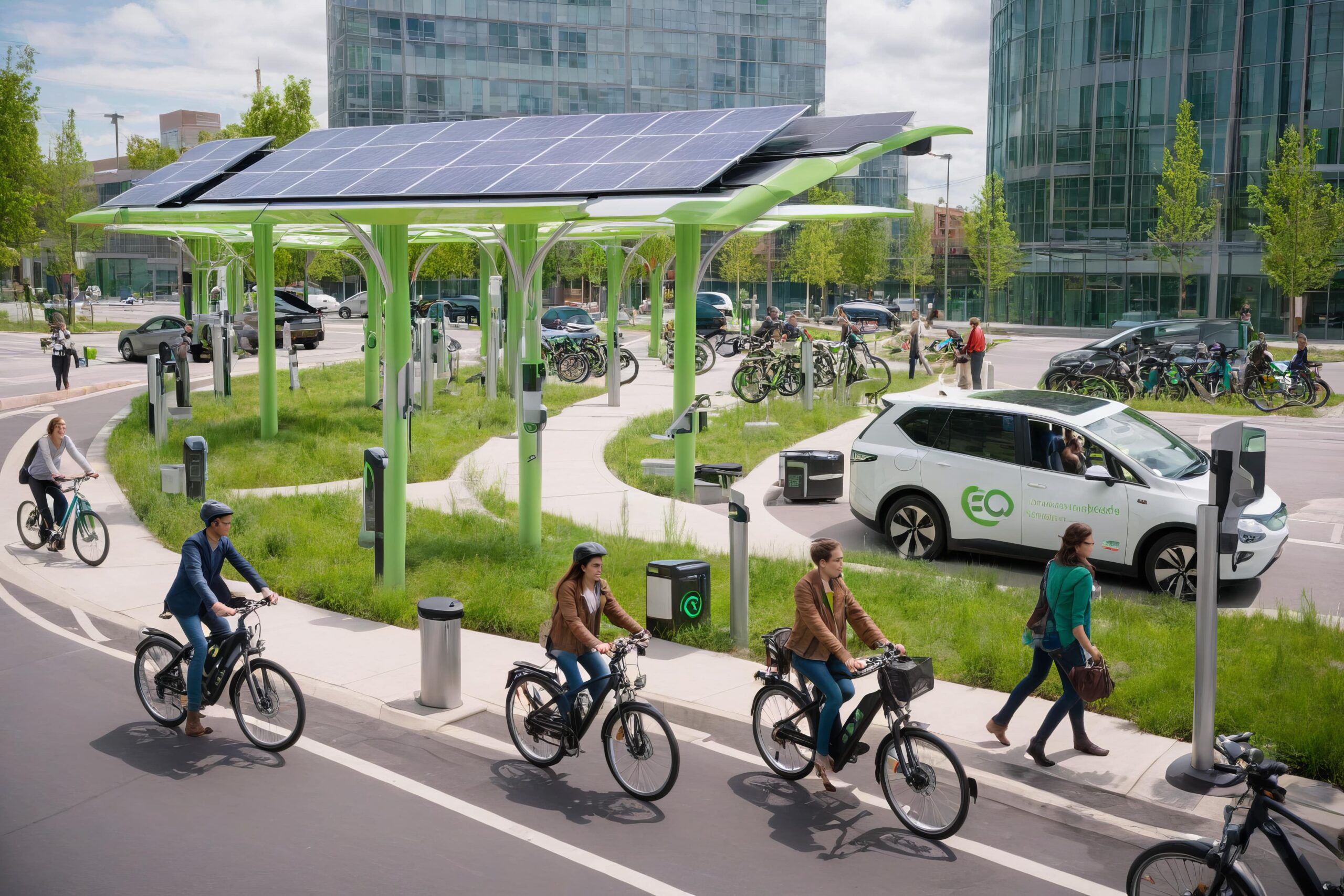
To make public transport truly sustainable, EVs supporting climate-friendly initiatives are increasingly powered by renewable energy. Solar-powered charging depots and wind-assisted grids ensure that clean energy fuels clean transport. Smart charging systems also allow public EV fleets to charge efficiently during off-peak hours, reducing strain on the grid. This integration of green energy with EV infrastructure ensures that the shift to electric mobility contributes meaningfully to long-term climate goals.
Economic and Environmental Benefits for Cities
Switching to EV-based public transport offers significant economic and environmental benefits. Electric buses and shared EV fleets require less maintenance and have lower running costs compared to traditional vehicles. Cities benefit from reduced fuel import expenses, improved energy security, and cleaner urban environments. These advantages make EV adoption not just a climate solution but also an economically sound investment for sustainable urban growth.
Conclusion
Electric vehicles are a key driver in advancing climate-friendly public transport initiatives. By replacing fossil-fuel-based fleets with zero-emission alternatives, cities can dramatically cut pollution and carbon emissions. With continued advancements in technology, renewable energy integration, and supportive government policies, EVs are paving the way for a cleaner, greener, and more resilient public transportation system for the future.
Share this content:

Post Comment