Sustainable Mobility Policies Driving EV Adoption in India

India’s transition to sustainable mobility is being powered not only by technological advances but also by a robust policy framework. With transportation accounting for a large share of emissions, the government has recognized the need for decisive action to accelerate the adoption of electric vehicles (EVs). A combination of incentives, infrastructure support, and regulatory measures is now shaping the future of mobility in the country.
Government Incentives Under FAME II and State Policies
At the heart of India’s EV push is the Faster Adoption and Manufacturing of Hybrid and Electric Vehicles (FAME II) scheme. This program provides direct subsidies to manufacturers and buyers of electric two-wheelers, three-wheelers, buses, and passenger cars. Several states, including Delhi, Maharashtra, and Gujarat, have launched their own EV policies offering tax rebates, purchase incentives, and registration fee waivers. These measures significantly reduce upfront costs, making EVs more affordable for individuals and businesses alike.
Building Charging Infrastructure and Energy Integration
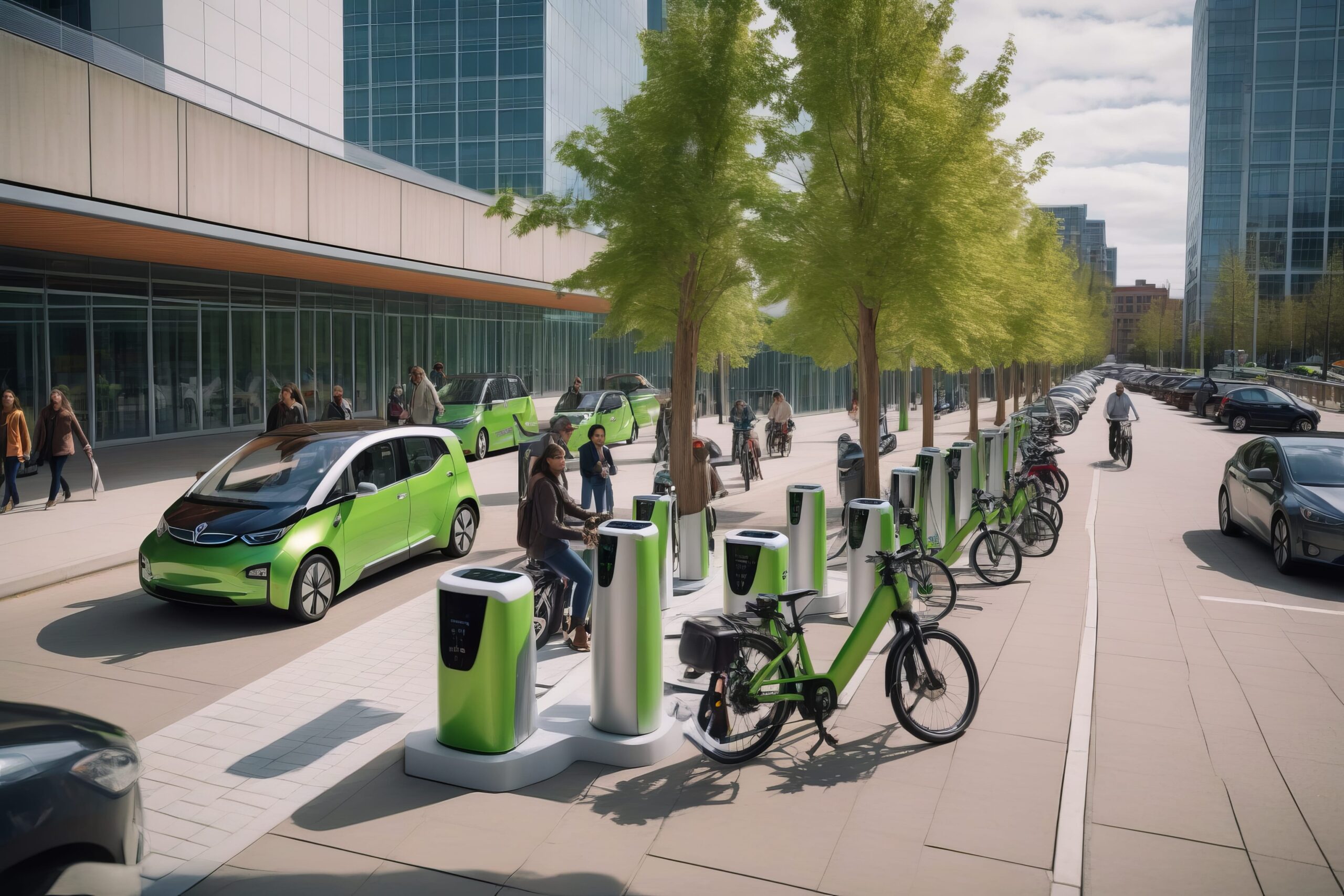
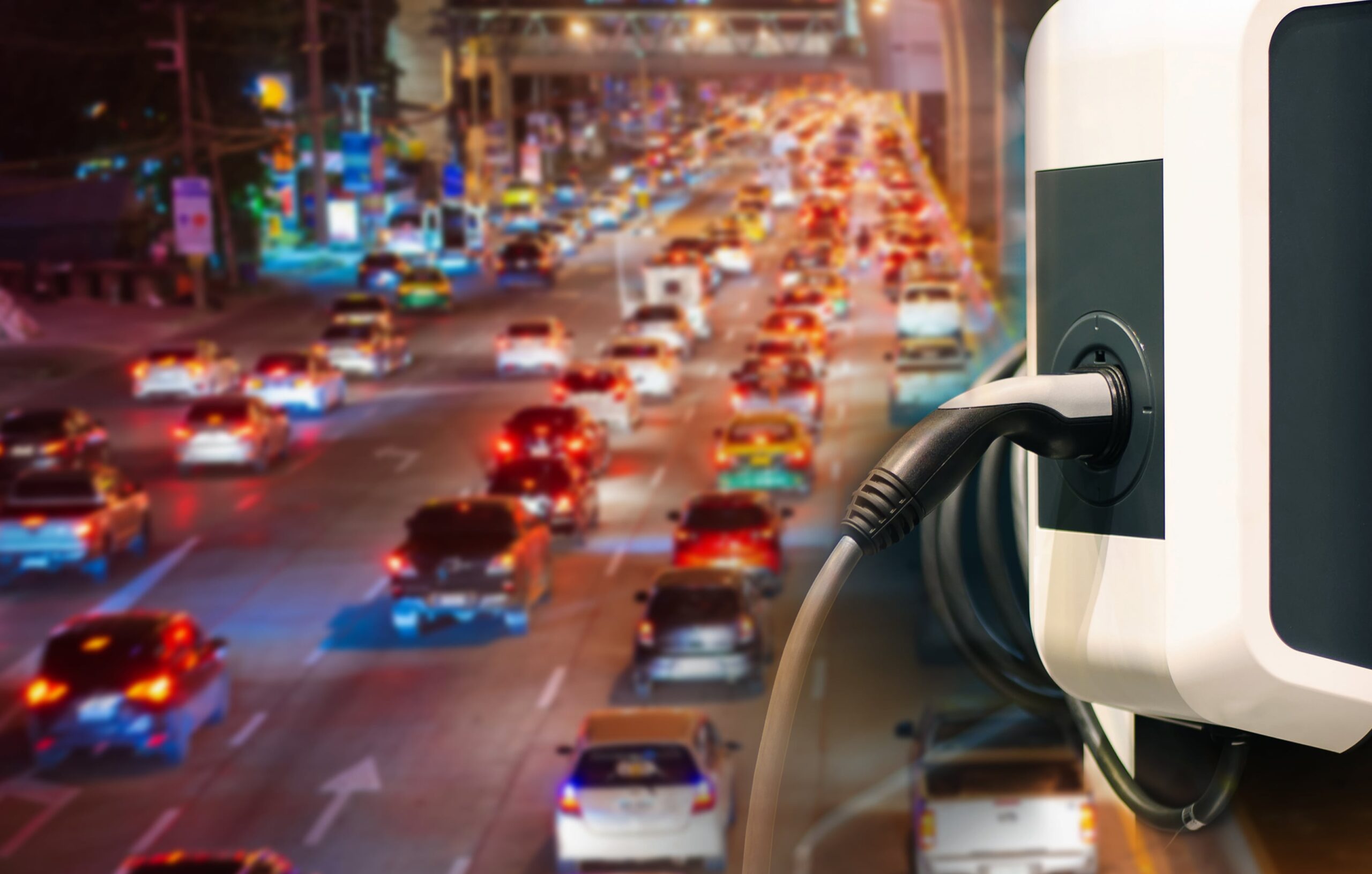
No EV policy can succeed without adequate charging infrastructure. Recognizing this, the government has rolled out plans to install public charging stations along highways and in urban centers, with subsidies for private players to set up networks. These initiatives are complemented by efforts to integrate renewable energy into the charging ecosystem, reducing the lifecycle carbon footprint of electric vehicles and ensuring truly sustainable mobility.
Regulatory Push and Corporate Adoption
Beyond financial incentives, regulations are also driving change. Several cities are introducing low-emission zones and mandating the use of electric buses in public transport fleets. Corporate procurement policies are evolving too, with companies incorporating EVs into logistics and employee transport to meet their environmental, social, and governance (ESG) goals. Such measures amplify demand, create economies of scale, and support a thriving domestic EV industry.
Conclusion
Sustainable mobility policies in India are creating the right conditions for electric vehicles to move from niche to mainstream. By combining subsidies, infrastructure development, and regulatory mandates, the government is accelerating the country’s shift toward cleaner, more efficient transportation. These efforts not only cut emissions but also create jobs, attract investment, and position India as a leader in the global green mobility movement.
Share this content:

Post Comment