Sustainable Transport in Smart Cities: Role of Electric Vehicles

The Foundation of Smart Urban Mobility
Smart cities are built on efficient, eco-friendly, and technologically integrated infrastructure—where sustainable transport plays a pivotal role. Electric vehicles (EVs) align perfectly with this vision by reducing dependence on fossil fuels, lowering greenhouse gas emissions, and offering a quieter, cleaner mode of transport. EVs complement smart urban planning initiatives by supporting intelligent traffic management and real-time data integration.
EV Infrastructure and Integration
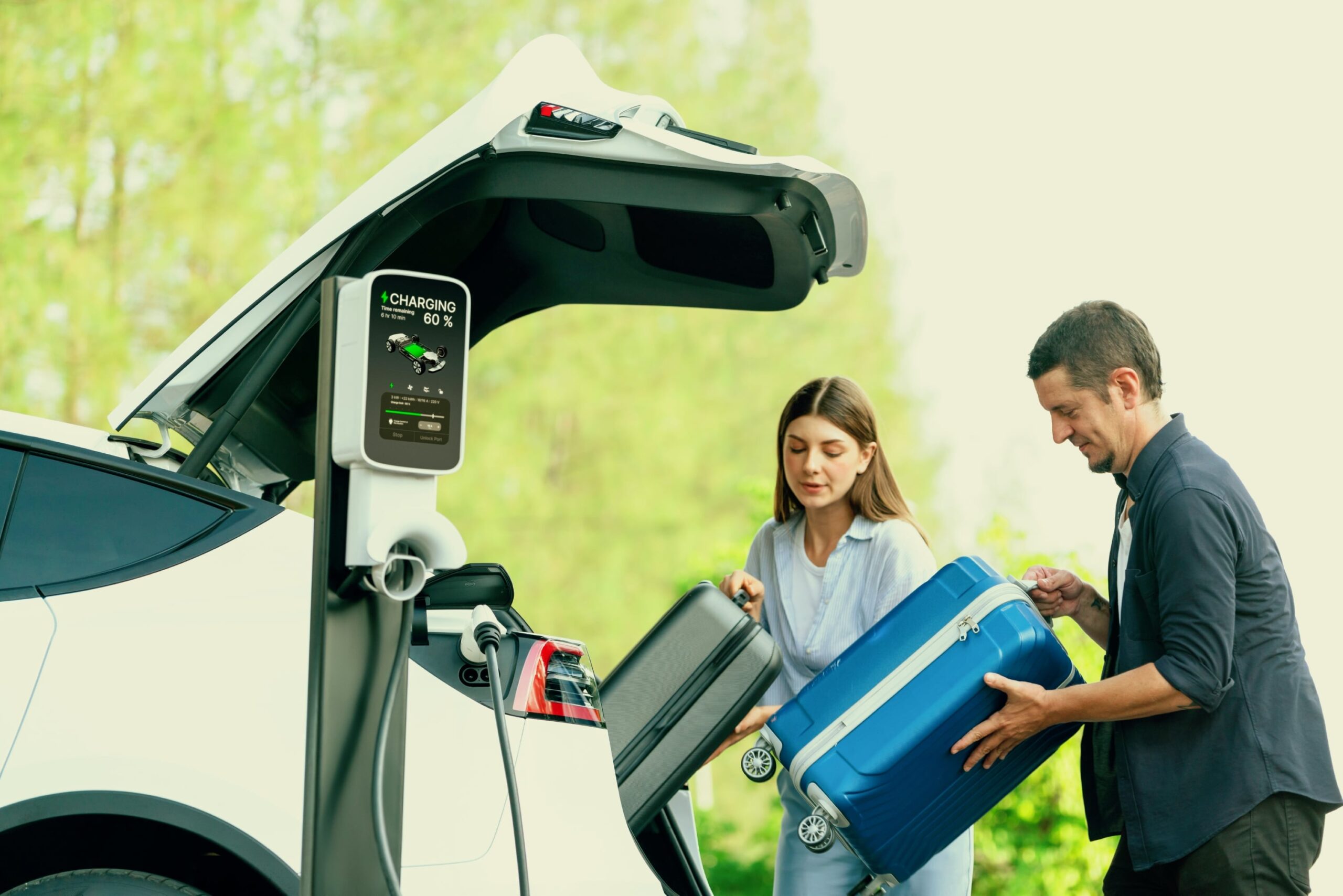
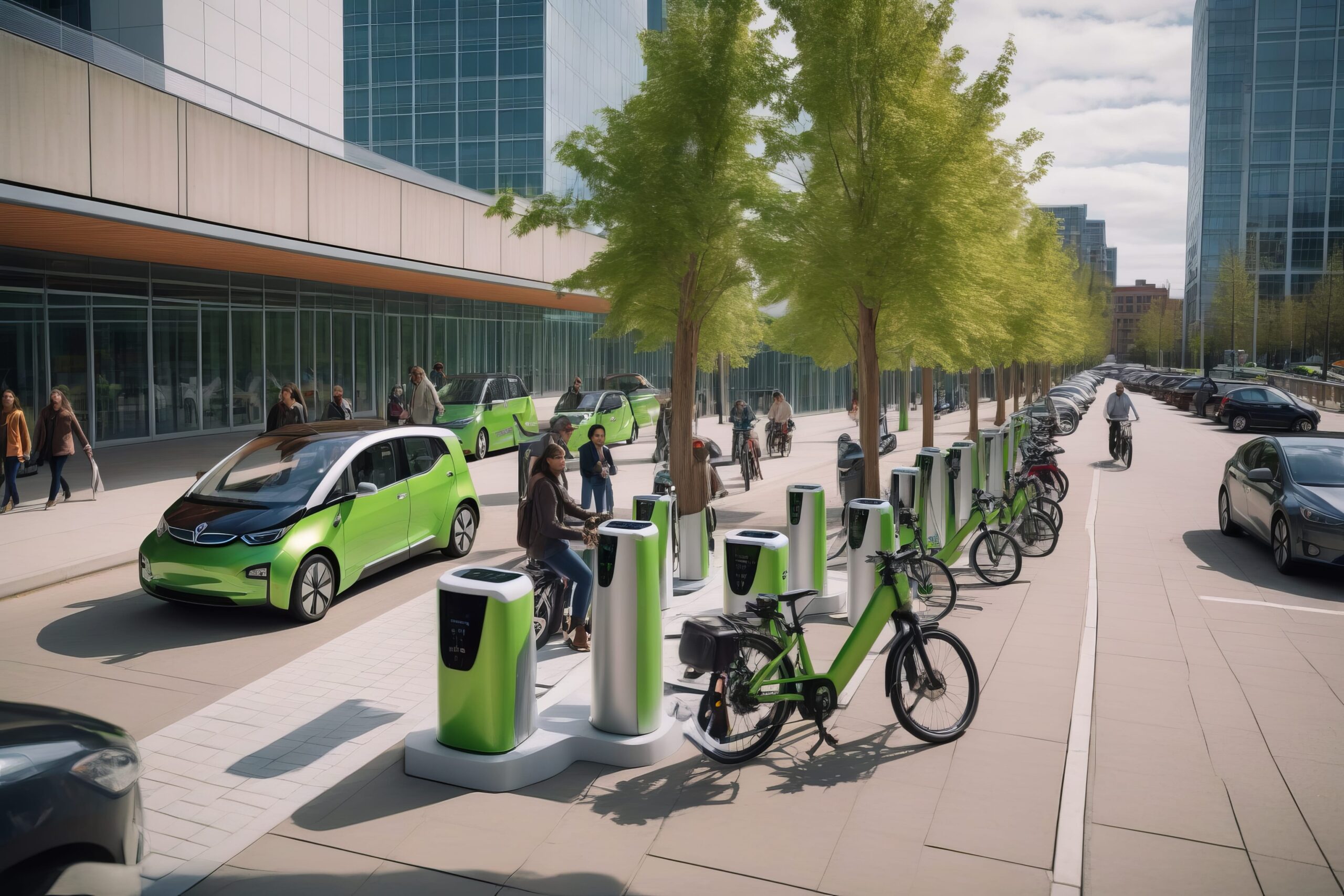
To make electric vehicles a mainstream transport mode in smart cities, investment in charging infrastructure is essential. Rapid deployment of public and private charging stations, battery swapping models, and solar-powered chargers is transforming urban mobility. Additionally, integration of EVs with IoT-based transport systems enables predictive maintenance, optimized routing, and improved energy efficiency.
Government Push and Urban Adoption
India’s smart city mission has prioritized green mobility. Government incentives under schemes like FAME II, state EV policies, and smart city projects are accelerating EV adoption in urban areas. Municipal corporations are incorporating e-buses, e-rickshaws, and EV fleets for public transport, promoting sustainability while reducing congestion and air pollution.
Conclusion
Electric vehicles are not just a trend—they are the cornerstone of sustainable transport in smart cities. With proper infrastructure, supportive policy frameworks, and increasing consumer acceptance, EVs are helping Indian cities transition into cleaner, smarter, and more connected urban ecosystems. Their role in shaping the future of urban mobility is both transformative and essential.
Share this content:
Post Comment