Smart EV Components Reducing Energy Consumption
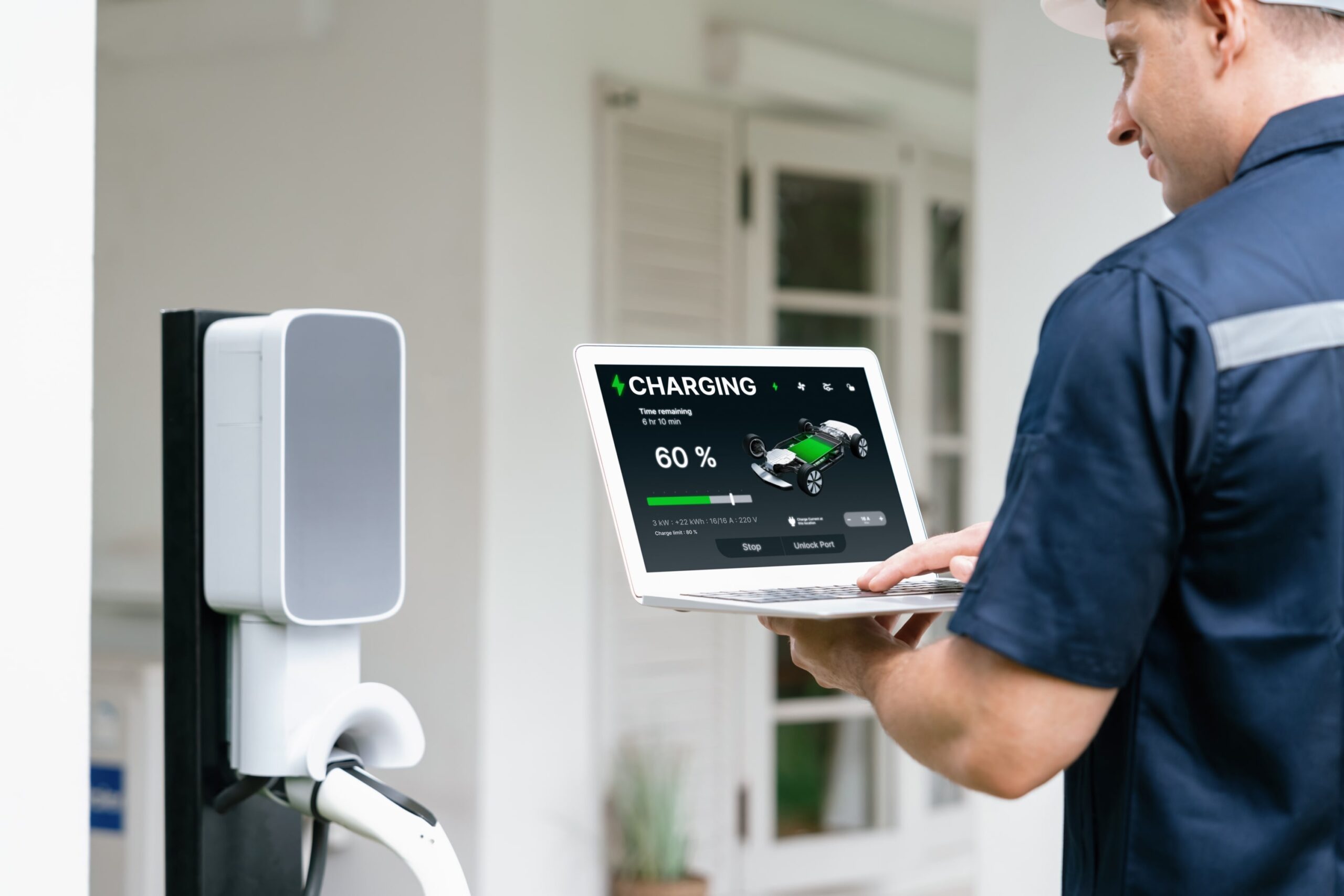
As electric vehicles (EVs) continue to revolutionize the automotive industry, the spotlight is turning toward innovations that enhance efficiency and sustainability. One of the most impactful developments in this space is the integration of smart EV components designed specifically to reduce energy consumption. These intelligent systems are transforming how EVs manage power, perform, and contribute to a greener planet.
Advanced Battery Management Systems (BMS)
At the heart of every electric vehicle lies its battery, and managing it efficiently is crucial. Modern Battery Management Systems (BMS) monitor the state of charge, temperature, and voltage across each cell, optimizing performance and longevity. By preventing overcharging or deep discharging, a smart BMS ensures that the EV consumes power efficiently and safely. This precise control can extend battery life and significantly reduce overall energy waste.
Regenerative Braking and Smart Powertrain Design
Another key innovation driving smart EV components reducing energy consumption is regenerative braking. This technology captures the kinetic energy lost during braking and converts it back into usable electricity. Combined with a smart powertrain design that adjusts torque and power delivery based on driving conditions, EVs can achieve impressive gains in energy efficiency. These systems work seamlessly to ensure that every joule of energy is used effectively, reducing dependency on frequent charging.
IoT-Enabled Sensors and Predictive Control Systems
The Internet of Things (IoT) plays a pivotal role in enhancing EV intelligence. IoT-enabled sensors collect real-time data on driving patterns, road conditions, and vehicle health. This data feeds into predictive algorithms that adjust energy consumption dynamically. For example, adaptive climate control systems can automatically balance comfort and efficiency, while smart navigation suggests routes that minimize energy usage. Together, these smart EV components are key to making electric mobility more sustainable and cost-effective.
Conclusion
The development of smart EV components reducing energy consumption marks a new milestone in the evolution of electric mobility. From advanced battery management to regenerative braking and AI-powered optimization, these innovations are ensuring that EVs deliver maximum performance with minimal energy use. As technology continues to advance, the next generation of electric vehicles will be even smarter, greener, and more efficient than ever before.
Share this content:

Post Comment