Opportunities for MSMEs in India’s EV Component Industry
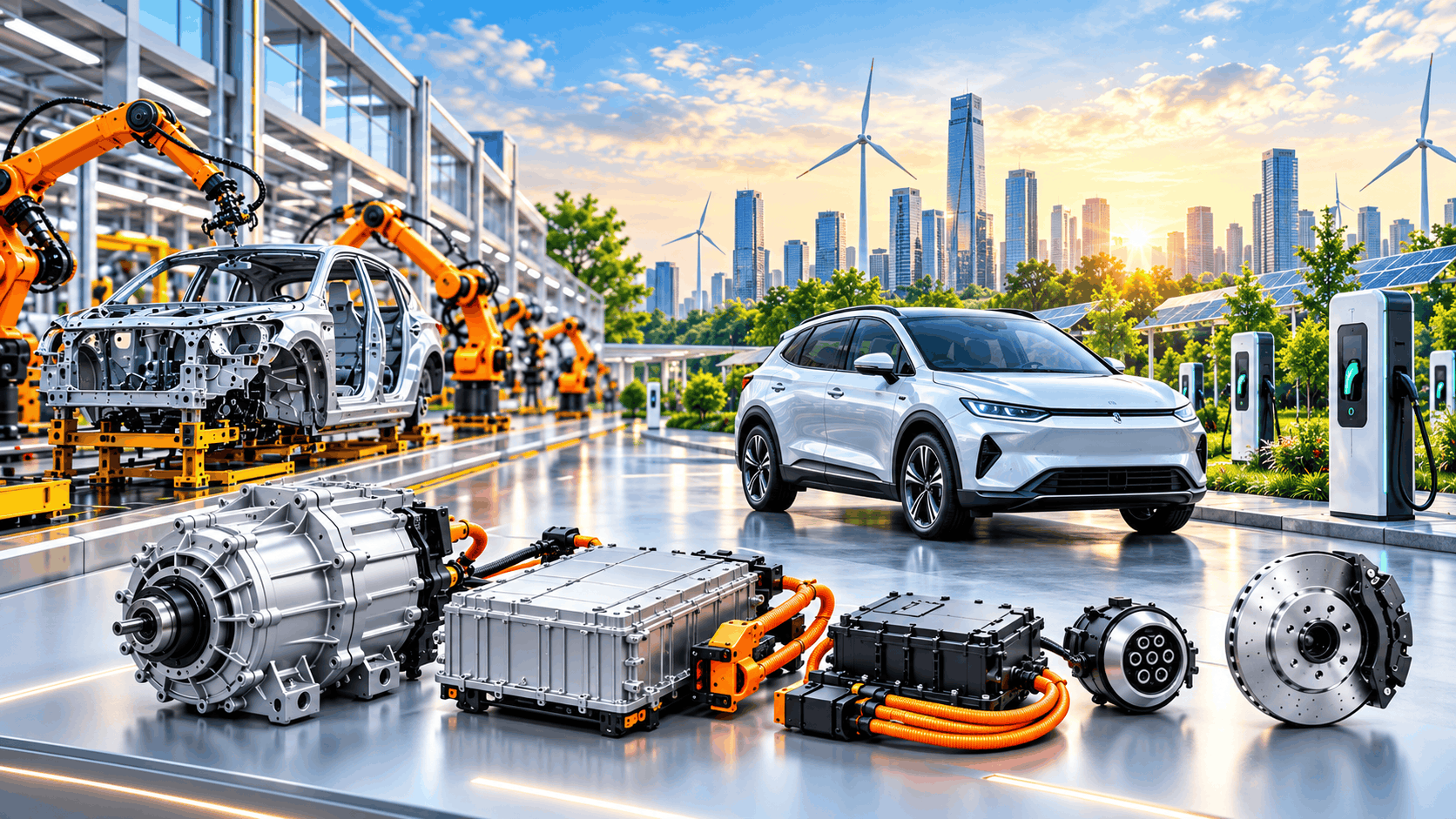
India’s electric vehicle (EV) revolution is creating a new era of opportunities for Micro, Small and Medium Enterprises (MSMEs). As the automotive industry accelerates towards electrification, the demand for advanced components, precision engineering, electronics, battery systems, and supporting technologies is reshaping India’s manufacturing landscape. While large automobile manufacturers are leading the transition, MSMEs have an opportunity to become important contributors to the country’s growing EV supply chain.
For decades, Indian MSMEs have supported the automotive sector through manufacturing, fabrication, machining, electrical components, and specialized engineering services. The shift towards electric mobility offers these businesses an opportunity to diversify their product portfolios, adopt new technologies, and establish partnerships with electric vehicle manufacturers, Tier-1 suppliers, and technology providers.
With increasing attention on domestic manufacturing, supply chain localization, and advanced automotive technology, India’s EV component industry offers opportunities for businesses capable of delivering quality, reliability, innovation, and competitive manufacturing solutions.
India’s Growing EV Market: A New Opportunity for Component Manufacturers
India’s electric vehicle market is expanding across multiple segments, including electric two-wheelers, three-wheelers, passenger cars, buses, and commercial vehicles. This growth is generating demand not only for complete electric vehicles but also for the components, assemblies, and technologies required to manufacture and operate them.
According to the Federation of Automobile Dealers Associations (FADA), electric vehicle retail sales in India reached approximately 24.52 lakh units in FY2025–26, representing growth of around 24.6% compared with the previous financial year. Electric two-wheelers contributed more than 14 lakh units, while electric three-wheelers accounted for approximately 8.31 lakh units. Electric passenger vehicle sales also recorded substantial growth.
These developments highlight the expanding scale of India’s electric mobility market. As manufacturers increase production and introduce new EV models, the need for dependable component suppliers, engineering capabilities, and manufacturing partnerships is expected to create opportunities across the automotive value chain.
For MSMEs, the opportunity extends beyond supplying established EV manufacturers. Businesses can also explore component production, contract manufacturing, charging equipment, product testing, tooling, and specialized engineering services.
Why MSMEs Are Important to India’s EV Manufacturing Ecosystem
MSMEs form an important part of India’s manufacturing industry, particularly in automotive components, industrial machinery, metal fabrication, electronics, plastics, and precision engineering. Their ability to manufacture specialized products, adapt production processes, and support larger companies makes them relevant to the development of a competitive EV ecosystem.
Electric vehicles require a different combination of technologies compared with conventional internal combustion engine vehicles. Although many mechanical components remain necessary, electric vehicles introduce greater demand for batteries, electric motors, electronic controllers, high-voltage wiring, thermal management systems, and charging-related technologies.
This transition offers opportunities for MSMEs with existing manufacturing expertise to move into adjacent product categories. A company specializing in aluminum casting may explore motor housings and battery enclosures, while an electrical equipment manufacturer may develop EV wiring assemblies or charging system components.
By combining established manufacturing capabilities with technological upgrades, MSMEs can pursue opportunities in both traditional automotive production and emerging electric mobility applications.
Key Business Opportunities for MSMEs in EV Component Manufacturing
1. EV Battery Components and Supporting Systems
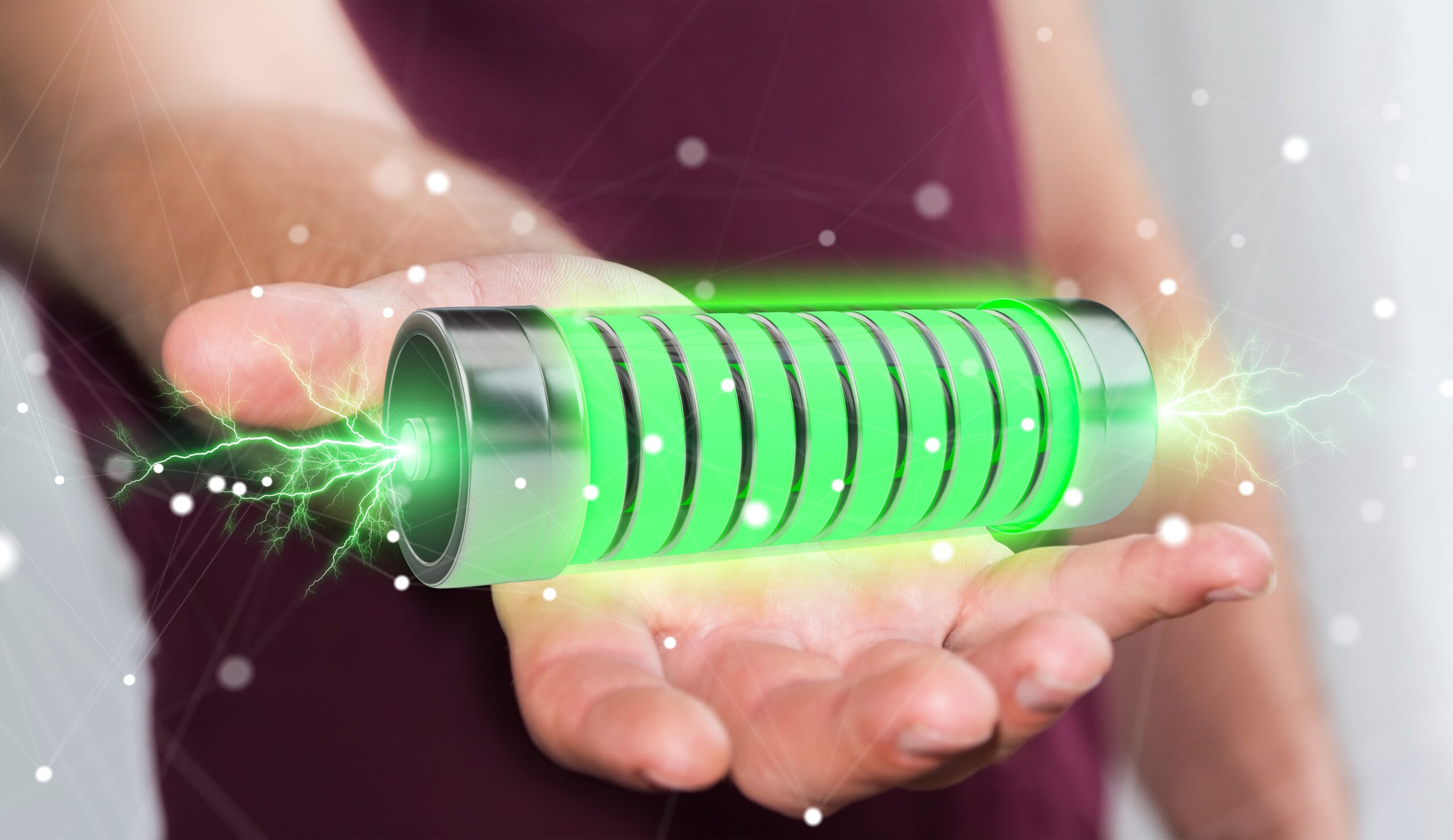
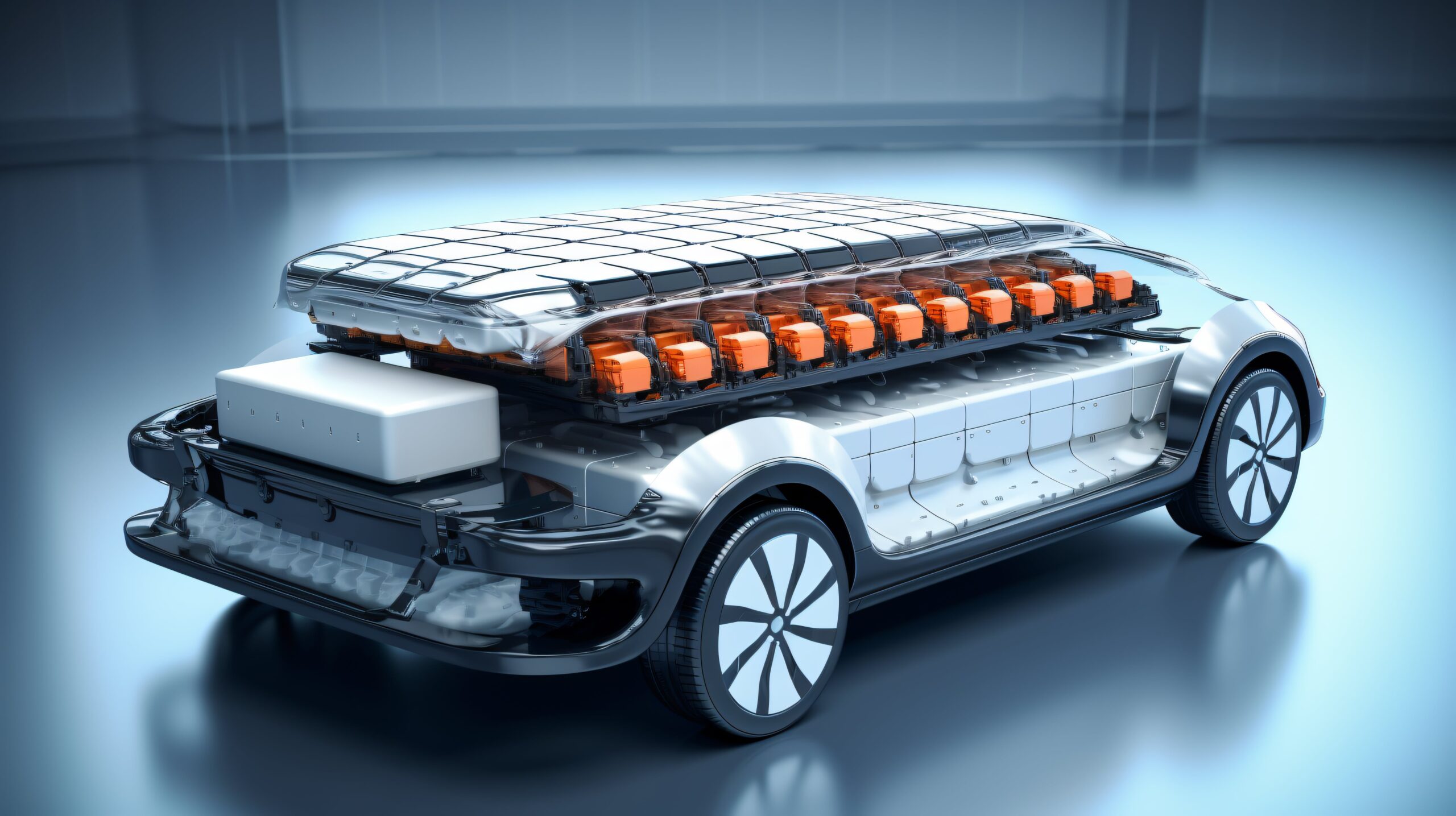
Battery technology represents a significant area of opportunity within the electric vehicle industry. As demand for electric vehicles increases, manufacturers require battery packs, battery management systems, enclosures, electrical connections, thermal management equipment, and associated components.
MSMEs involved in sheet metal fabrication, precision machining, electrical assemblies, insulation materials, and thermal engineering can explore opportunities in battery enclosures, mounting systems, busbars, connectors, cooling plates, wiring assemblies, and structural components.
Businesses with advanced technical expertise may also consider battery pack integration, electronic monitoring systems, and specialized testing services. However, these applications require strict compliance with relevant safety and performance requirements.
For small manufacturers, supplying battery supporting components can offer a more achievable entry point than investing directly in battery cell manufacturing, which typically requires substantial capital, specialized technology, and complex production infrastructure.
2. Electric Motors and Powertrain Components
Electric motors are central to EV propulsion, converting electrical energy into mechanical power. Their production involves various precision-engineered components that create opportunities for manufacturers specializing in machining, casting, electrical equipment, and industrial engineering.
Potential products include motor housings, shafts, stator laminations, rotor components, bearings, mounting brackets, winding assemblies, and cooling systems.
MSMEs already manufacturing electric motor parts or industrial machinery components may be able to adapt their existing facilities to meet EV-specific requirements.
As motor technology continues to develop, opportunities may also arise in lightweight designs, high-efficiency materials, advanced cooling systems, and specialized manufacturing processes.
3. Power Electronics and EV Controllers
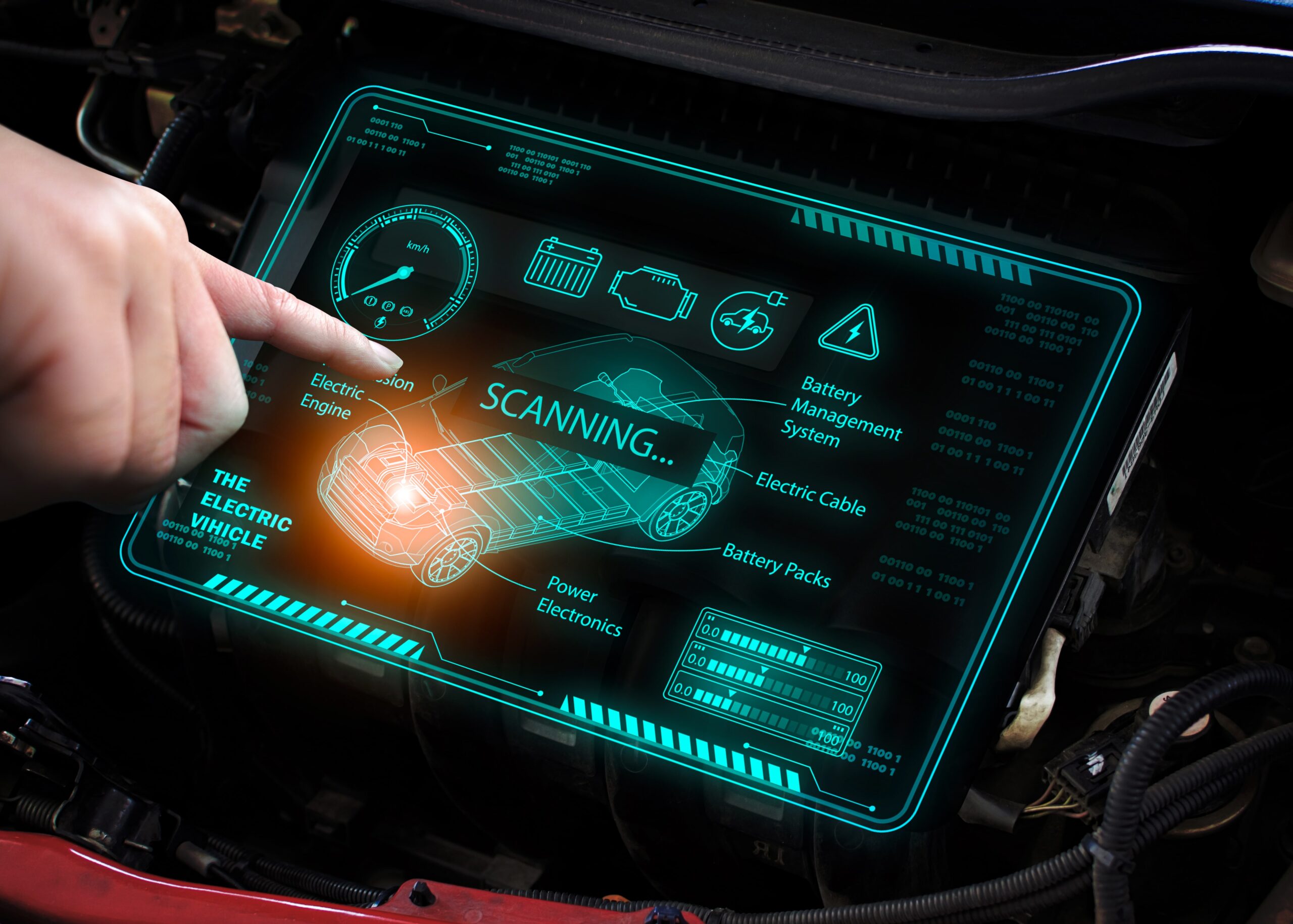
Modern electric vehicles rely on sophisticated power electronic systems to manage energy flow between batteries, electric motors, and auxiliary systems. These include motor inverters, DC-DC converters, onboard chargers, power distribution units, and electronic control systems.
For MSMEs working in electronics manufacturing, printed circuit board assembly, embedded systems, electrical engineering, and industrial automation, this segment offers opportunities for specialization.
Companies can explore electronic assemblies, controller housings, connectors, cable systems, heat sinks, cooling components, and testing services.
Advanced products such as traction inverters and automotive control electronics demand significant engineering expertise, stringent reliability standards, and extensive product validation. MSMEs entering these segments should carefully assess the technical and financial requirements.
4. EV Charging Equipment and Infrastructure Components
The growth of electric mobility is creating demand for reliable charging infrastructure across residential, commercial, fleet, and public transport applications.
MSMEs can explore manufacturing opportunities in charging connectors, electrical cables, distribution panels, protective enclosures, mounting equipment, electrical assemblies, and supporting infrastructure components.
Companies with suitable capabilities may also participate in charging station installation, equipment maintenance, electrical integration, and monitoring solutions.
As charging technologies evolve, businesses offering safe, reliable, and cost-effective products may find opportunities to supply charging equipment manufacturers, infrastructure providers, fleet operators, and commercial customers.
5. Wiring Harnesses and Electrical Connectors
Electric vehicles require extensive electrical connectivity between batteries, motors, controllers, charging systems, sensors, and other vehicle components.
This creates opportunities for MSMEs manufacturing wiring harnesses, cable assemblies, terminals, busbars, high-voltage connectors, protective conduits, and insulation products.
Businesses already operating in automotive wiring and industrial electrical equipment may be well positioned to diversify into EV-specific applications.
However, EV components must meet relevant requirements for electrical safety, insulation, durability, vibration resistance, and operating temperature.
6. Lightweight Materials and Precision Engineering
Reducing vehicle weight is an important strategy for improving electric vehicle efficiency. This encourages manufacturers to explore lightweight materials, optimized structural designs, and advanced production techniques.
MSMEs specializing in aluminum casting, die casting, sheet metal fabrication, plastic injection molding, composite materials, and precision machining can investigate EV component opportunities.
Potential products include battery housing structures, motor mounting assemblies, vehicle brackets, protective covers, structural components, and lightweight mechanical parts.
Manufacturers capable of delivering consistent quality, dimensional accuracy, and competitive production costs may strengthen their position in the automotive supply chain.
How Traditional Auto Component MSMEs Can Enter the EV Industry
India’s traditional automotive manufacturing sector has an established base of MSMEs supplying metal components, mechanical assemblies, electrical products, plastic parts, and precision-engineered solutions.
The transition towards electric mobility creates opportunities for these businesses to expand beyond conventional vehicle technologies.
For example, a company manufacturing engine brackets may be able to diversify into battery or electric motor mounting systems. A manufacturer of industrial electrical cables may investigate high-voltage EV cable assemblies, while an aluminum casting business may explore housings for electric motors or power electronic systems.
However, diversification requires more than modifying existing product catalogs. EV manufacturers often have specialized requirements related to electrical safety, thermal performance, weight optimization, product durability, traceability, and manufacturing consistency.
MSMEs should begin by evaluating existing capabilities, identifying relevant EV applications, and assessing the equipment, workforce skills, testing facilities, and certifications required.
A phased approach to diversification can help reduce investment risks while building experience in emerging automotive technologies.
Government Initiatives Supporting India’s EV Manufacturing Industry
India’s policy framework supports electric mobility, advanced automotive manufacturing, and supply chain development.
Production Linked Incentive (PLI) Scheme for the Automobile Industry
The Government of India’s PLI Scheme for the Automobile and Auto Component Industry has an approved budgetary outlay of ₹25,938 crore. It focuses on promoting the domestic manufacturing of advanced automotive technology products, including eligible electric vehicles and components.
The scheme is designed to encourage investment, strengthen domestic value addition, and develop competitive automotive supply chains.
While direct incentives are subject to scheme-specific eligibility requirements and approved applicants, the wider emphasis on localization may create supplier opportunities for MSMEs manufacturing relevant components.
PM E-DRIVE Scheme
The PM Electric Drive Revolution in Innovative Vehicle Enhancement (PM E-DRIVE) Scheme supports electric mobility adoption and development of the EV ecosystem through measures involving eligible vehicle categories, charging infrastructure, and related initiatives.
The scheme has undergone amendments and extensions, so manufacturers should consult the latest official notifications before making decisions based on incentives or programme deadlines.
Greater demand for electric vehicles and charging infrastructure can indirectly create opportunities for manufacturers supplying components, equipment, and specialized services.
MSME Development and Quality Improvement Programmes
Government initiatives such as Udyam Registration and the MSME Sustainable (ZED) Certification programme can help eligible enterprises improve formal business recognition, manufacturing practices, and quality management.
MSMEs may also explore relevant technology upgradation, skill development, and financing programmes, depending on their eligibility and business requirements.
These programmes should be treated as business-enabling resources rather than guaranteed sources of financial assistance for every EV component supplier.
How MSMEs Can Become EV Component Suppliers
Entering the EV supply chain requires a structured business development strategy. Manufacturers need to identify suitable products, demonstrate technical capabilities, meet quality expectations, and establish relationships with potential buyers.
The first step is selecting a component category aligned with existing manufacturing expertise. Companies should then research the technical requirements and purchasing expectations of EV manufacturers, battery companies, charging equipment providers, and established automotive suppliers.
Developing prototypes and carrying out appropriate product testing can help demonstrate manufacturing readiness. A professional company profile should clearly communicate production capabilities, machinery, quality systems, product specifications, manufacturing capacity, and previous industry experience.
Businesses seeking OEM or Tier-1 supplier opportunities should prepare for technical evaluations, sample approvals, audits, commercial negotiations, and customer-specific qualification processes.
Depending on the product and customer, quality certifications and standards may include ISO 9001, IATF 16949, applicable Automotive Industry Standards, Bureau of Indian Standards requirements, and specialized testing procedures.
Not all of these standards apply to every EV component. Companies should confirm the relevant requirements before committing resources to certification or testing.
Developing a clear supplier qualification strategy can improve credibility and help MSMEs compete for long-term manufacturing partnerships.
Major Challenges for MSMEs in the EV Component Sector
Although the EV industry presents opportunities, entering this market involves financial, operational, and technological challenges.
One important challenge is the investment required for advanced machinery, testing equipment, product development, and skilled technical professionals. Electric vehicle components can involve demanding safety, performance, and reliability requirements.
Working capital is another important consideration. Automotive supply contracts may require businesses to finance tooling, raw materials, production inventory, and product validation before receiving payments.
Rapid technological changes can also create uncertainty. Developments in battery chemistries, motor architectures, power electronics, and charging standards may influence the future demand for specific components.
Competition from established automotive suppliers and international manufacturers further increases the importance of cost competitiveness, reliable deliveries, consistent quality, and technical capabilities.
To address these challenges, MSMEs can adopt a phased investment strategy, focus on specialized product categories, collaborate with technology partners, and strengthen their manufacturing and quality management systems.
Emerging EV Technologies Creating Future MSME Opportunities
The next phase of electric vehicle development is expected to create opportunities in advanced materials, power electronics, battery technology, motor efficiency, software-enabled systems, and specialized engineering services.
Battery thermal management, lightweight enclosures, advanced connectors, energy management electronics, and intelligent charging solutions are areas where specialized manufacturers may develop differentiated products.
Battery recycling and resource recovery can also create opportunities, particularly as increasing numbers of electric vehicles and battery systems eventually reach the end of their useful lives. These activities are subject to environmental, safety, and waste-management requirements.
Digital manufacturing, industrial automation, precision measurement, and advanced testing services are additional areas in which MSMEs can support the EV ecosystem without producing complete vehicles.
The long-term opportunity will depend on each business’s ability to adopt relevant technologies, develop specialized capabilities, and respond to changing customer requirements.
The Role of B2B Exhibitions in Expanding MSME Business Opportunities
For MSMEs exploring the electric vehicle component industry, building industry connections is an important part of business development.
B2B exhibitions and industry-focused trade shows provide opportunities to interact with EV manufacturers, automotive component suppliers, procurement professionals, technology providers, distributors, and potential collaborators.
By participating in relevant exhibitions, MSMEs can demonstrate manufacturing capabilities, introduce new products, understand buyer requirements, and identify potential supplier relationships.
Such events also create opportunities to learn about emerging technologies, study market developments, and explore partnerships with businesses operating across the EV value chain.
For smaller manufacturers, exhibitions can complement direct sales outreach, digital marketing, supplier registration programmes, and industry association networking.
A well-planned exhibition strategy that includes product demonstrations, scheduled meetings, buyer engagement, and structured follow-ups can support business development efforts.
Building a Competitive Future for Indian MSMEs
The transition to electric mobility presents a significant opportunity for Indian MSMEs to strengthen their role in advanced automotive manufacturing.
However, long-term success will depend on more than the overall growth of electric vehicle sales. Suppliers must demonstrate manufacturing excellence, technical competence, consistent product quality, timely delivery, and the ability to meet changing industry requirements.
Businesses that invest in workforce development, modern production technology, product engineering, testing capabilities, and strategic partnerships may be better positioned to participate in evolving EV supply chains.
For traditional automotive suppliers, entering EV component manufacturing can also support diversification as the industry transitions towards new propulsion technologies.
Rather than attempting to compete in every segment, MSMEs should focus on developing specialized capabilities where they can deliver measurable value to customers.
Conclusion: MSMEs as Key Contributors to India’s EV Manufacturing Future
India’s expanding electric vehicle industry is opening opportunities across battery supporting systems, electric motor components, power electronics, charging equipment, electrical assemblies, lightweight materials, and precision manufacturing.
For MSMEs, these opportunities offer potential pathways towards diversification, technological development, supplier partnerships, and new business markets.
Government initiatives, domestic manufacturing priorities, and growing demand for electric mobility are contributing to the development of India’s EV ecosystem. However, successful participation requires strategic planning, investment in relevant capabilities, quality compliance, and continuous industry engagement.
The future of India’s electric vehicle industry will not be shaped by automobile manufacturers alone. It will also depend on the strength, innovation, and manufacturing capabilities of the businesses supporting the EV supply chain.
By focusing on technical excellence, innovation, and strategic collaboration, Indian MSMEs can become important partners in building a competitive, resilient, and sustainable electric mobility ecosystem.
Share this content:
Post Comment