Delhi EV Policy 2026: EV Subsidy, Benefits, Charging and Business Opportunities
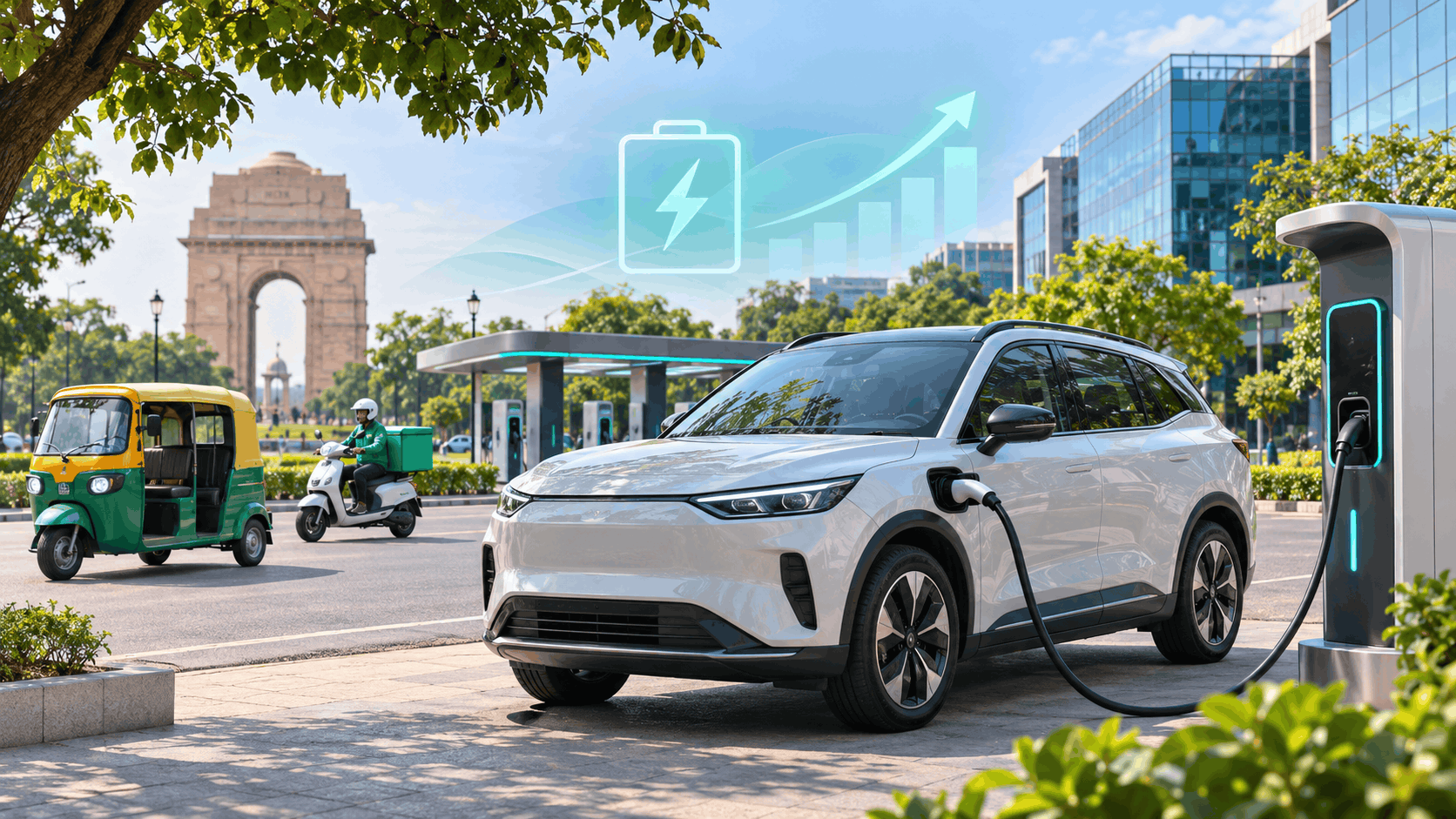
Planning to buy an electric vehicle in Delhi or explore opportunities in the EV industry? Understanding the Delhi EV Policy 2026 can help you assess available benefits, charging requirements and the practical factors involved in switching to electric mobility.
The policy supports electric vehicle adoption alongside the development of charging infrastructure and related services. For buyers, the key questions are eligibility and ownership costs. For businesses, the opportunity lies in supplying reliable vehicles, equipment and services.
What Is the Delhi EV Policy 2026?
The Delhi Electric Vehicles Policy, 2026 came into effect on 1 July 2026 and is scheduled to remain valid until 31 March 2030, unless extended or modified. Its objectives include accelerating EV adoption, expanding charging infrastructure and supporting battery recycling, servicing and component recovery.
Delhi EV Subsidy: Key Benefits for Buyers
Benefits vary by vehicle category and eligibility.
| Vehicle category | Selected policy provision |
|---|---|
| Electric two-wheelers | First-year incentive of ₹10,000 per kWh, capped at ₹30,000; ex-showroom price must not exceed ₹2.25 lakh |
| Electric auto-rickshaws | First-year purchase incentive of ₹50,000 for eligible L5M vehicles; minimum battery capacity of 4 kWh |
| Electric cars | Road-tax and registration-fee exemptions for eligible cars with an ex-showroom price up to ₹30 lakh; no exemption above this threshold |
Purchase incentives require approved models and compliance with application conditions. Purchase-incentive applications must be submitted within 30 days of RC generation. Later-year incentive amounts differ.
Before booking, ask the dealer to separate the vehicle price, insurance, accessories, charging equipment and applicable government benefits in a written quotation. This makes it easier to understand the final cost and avoid treating an estimated subsidy as a confirmed discount.
EV Charging Infrastructure in Delhi
The policy supports public and community charging and battery swapping. Delhi Transco Limited is the nodal agency for planning and coordinating public charging and swapping infrastructure.
For an EV owner, convenient charging is as important as vehicle range. Consider three practical questions:
- Where will you charge regularly? Identify a dependable home, workplace or public charging option.
- Does the charger suit your vehicle? Check connector compatibility and supported charging speed.
- How will charging fit your routine? Consider parking access, waiting time and the distance to an alternative charger.
Delivery fleets and commercial operators should also assess charging downtime during working hours. A suitable charging plan should support the vehicle’s daily workload.
How to Compare Electric Vehicle Ownership Costs
The purchase price is only one part of the decision. A useful comparison includes:
- On-road price after confirmed benefits.
- Financing and insurance costs.
- Electricity or fuel expenditure.
- Charger purchase and installation.
- Scheduled servicing.
- Battery warranty terms and exclusions.
You can estimate energy costs using these formulas:
EV cost per kilometre = Electricity price per kWh × Electricity consumed per kilometre
Petrol vehicle cost per kilometre = Petrol price per litre ÷ Mileage in kilometres per litre
Use realistic consumption figures and the tariff of the charger you expect to use. Public charging prices and home electricity costs may differ.
Business Opportunities in Delhi’s EV Market
For manufacturers, suppliers and MSMEs, electric mobility creates potential demand across several areas. These opportunities should be assessed against actual customer needs and project economics.
Charging Equipment and Installation
Housing societies, offices, commercial properties and fleet facilities are potential customers for charging solutions. Suppliers can evaluate demand for equipment, installation, maintenance and charging-management services.
EV Components and Accessories
Businesses can explore suitable electrical assemblies, connectors, cables, enclosures and other components. Product quality, compatibility and consistent supply will influence purchasing decisions.
Servicing and Technical Training
EV workshops need appropriate diagnostic capabilities and trained technicians. Service providers can build their offering around dependable maintenance, clear pricing and accessible customer support.
Fleet Management Solutions
Commercial operators need to coordinate routes, vehicle availability and charging schedules. Software and operational services can help them assess energy consumption and manage downtime.
Battery Lifecycle Services
Battery testing, condition assessment and recycling partnerships are further areas to evaluate. Businesses entering these segments should establish the relevant technical expertise and operating requirements.
What Should Buyers Check Before Purchasing an EV?
Before making a decision:
- Confirm that the exact vehicle model qualifies for the benefit being advertised.
- Check the applicable registration period and application deadline.
- Request a complete on-road quotation.
- Review battery and vehicle warranty terms.
- Confirm service-centre access.
- Arrange a practical charging option.
- Test the vehicle against your usual distance, passenger or payload requirements.
A well-matched vehicle and a dependable charging arrangement matter throughout ownership.
Frequently Asked Questions About Delhi EV Policy
Is every electric vehicle eligible for a subsidy in Delhi?
No. Eligibility depends on the vehicle category, approved model, applicable period and policy conditions. Confirm the benefit for the exact model before purchasing.
Can I rely only on public charging?
Assess nearby charger compatibility, availability, pricing and access hours first. Identify a backup location before depending on a single charging point.
What should businesses evaluate before switching to an electric fleet?
Start with daily distance, payload, charging availability, downtime and total ownership costs. A small operational trial can help establish whether the vehicles suit the intended routes.
Where should I check official Delhi EV policy updates?
Explore Opportunities Across the EV Industry
For buyers, understanding the Delhi EV Policy starts with checking eligibility and choosing a vehicle that suits everyday needs. For businesses, it starts with identifying where better equipment, infrastructure or service can solve a customer’s problem.
EV exhibitions offer a platform to compare technologies, meet manufacturers and suppliers, and discuss partnerships across electric vehicles, batteries, components and charging infrastructure.
Share this content:

Post Comment