Integration of EVs with Public Transport Networks
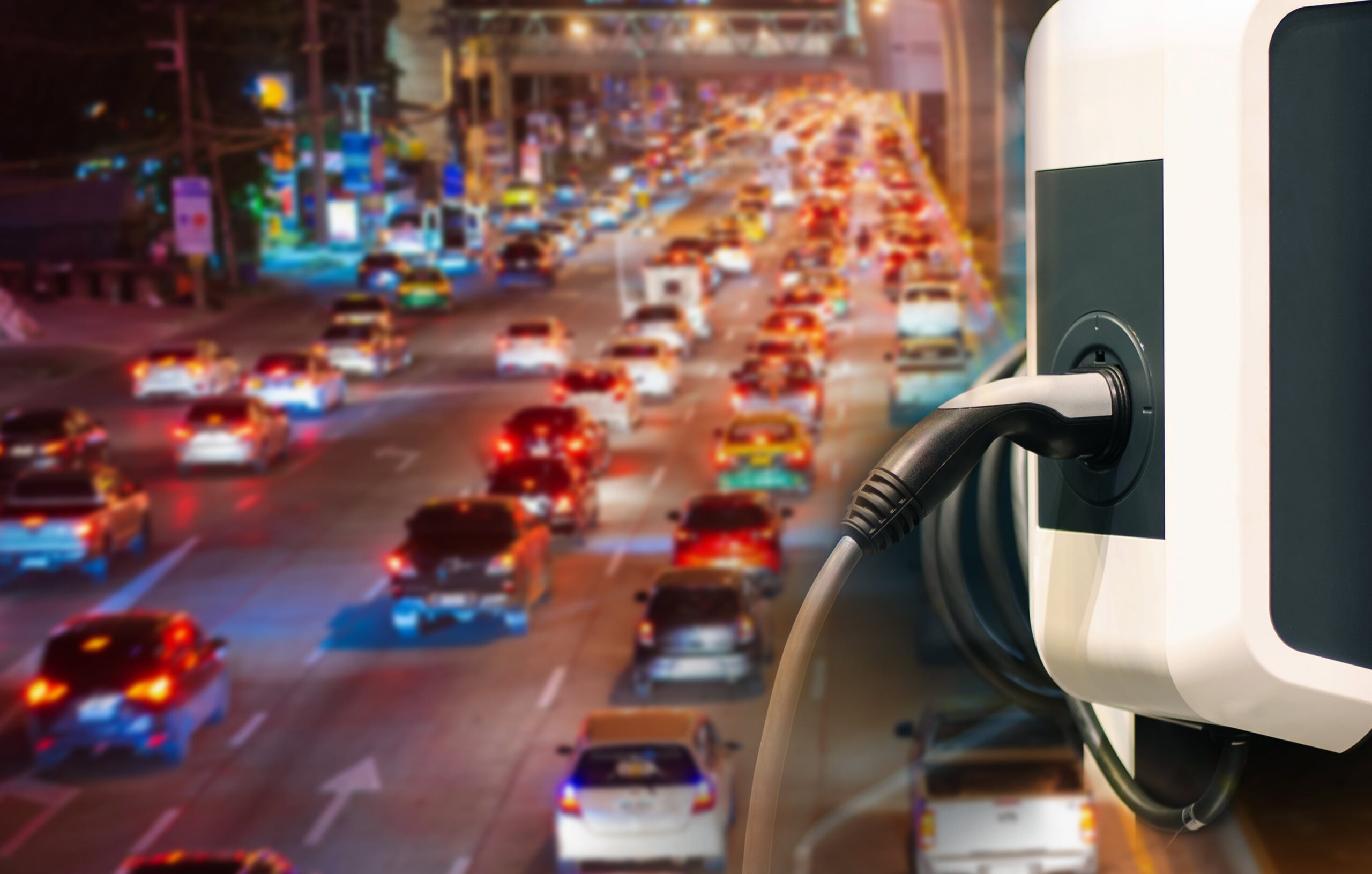
The integration of electric vehicles (EVs) with public transport networks is shaping the next generation of sustainable urban mobility. As cities aim to reduce carbon emissions and enhance energy efficiency, combining EV technology with buses, taxis, and shared mobility systems presents a powerful step toward greener and smarter transportation solutions.
Transforming Urban Mobility Systems
Integrating EVs into public transport networks helps create an interconnected and efficient system where electric buses, e-rickshaws, and shared EV fleets work together seamlessly. These vehicles reduce dependency on fossil fuels while ensuring quieter and cleaner city environments. Many urban authorities are investing in electric buses and smart charging depots that optimize charging schedules and fleet routes, minimizing operational costs and downtime.
Enhancing Commuter Experience and Accessibility
The inclusion of EVs in public transport not only promotes sustainability but also enhances the commuter experience. Passengers enjoy smoother, noise-free rides while benefiting from reliable, eco-friendly services. Integrated EV systems also enable better route planning, real-time updates, and digital ticketing, making commuting more convenient and accessible. Moreover, connecting EV fleets to metro stations or bus terminals through shared mobility hubs ensures first- and last-mile connectivity for daily travelers.
Promoting Infrastructure and Policy Support
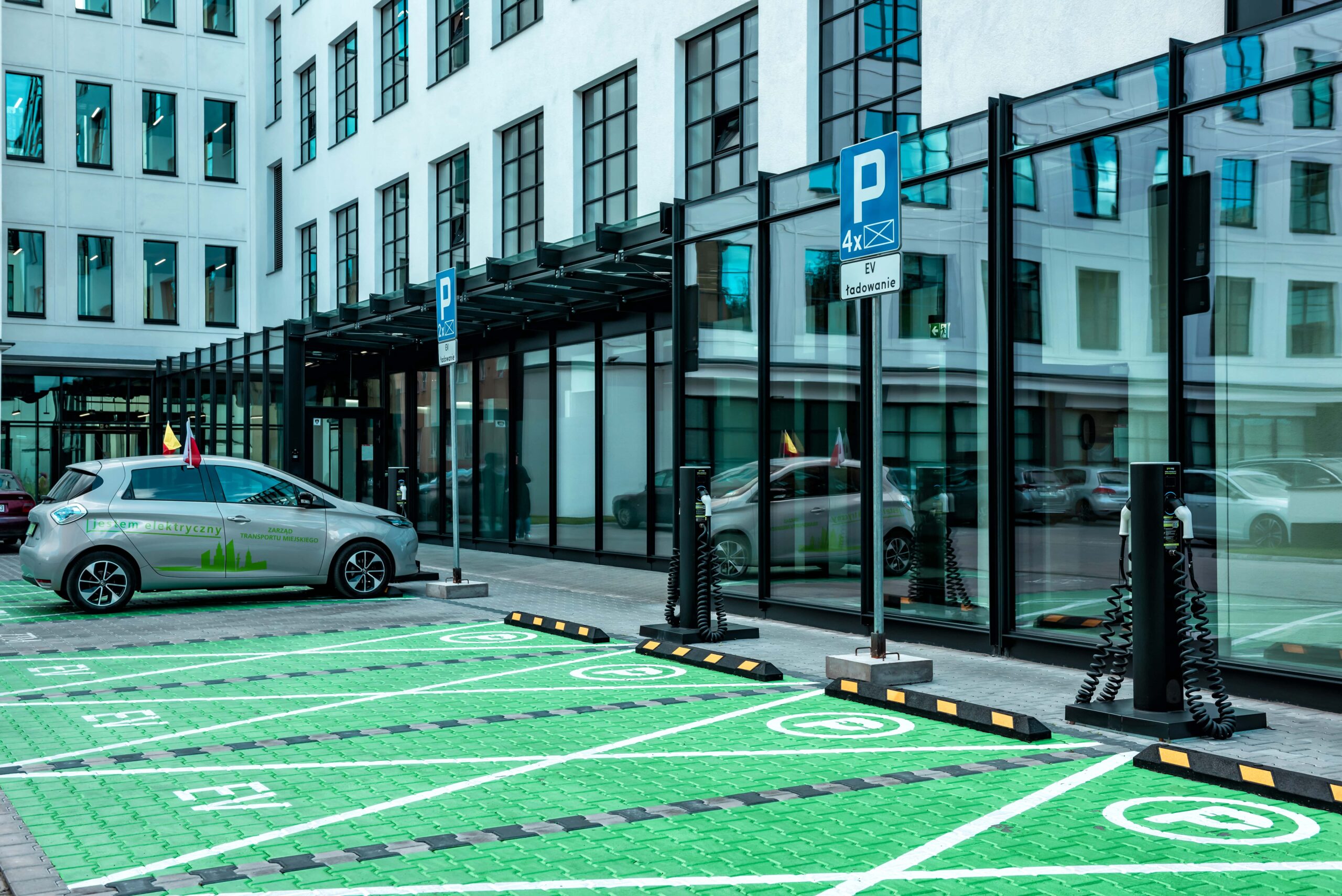
Successful integration requires robust infrastructure and policy frameworks. Governments and municipalities are investing in charging stations, battery-swapping facilities, and renewable energy sources to support electric public transport. Incentives, subsidies, and strategic collaborations with private operators further accelerate adoption. When combined with intelligent transport systems, these policies ensure efficient energy management and reduced environmental impact.
Conclusion
The integration of EVs with public transport networks represents a transformative shift toward sustainable urban development. By embracing electric mobility and connected infrastructure, cities can achieve cleaner air, lower emissions, and improved public convenience. As technology and policy align, the future of public transport will be defined by electric innovation—powering a smarter, greener, and more connected world.
Share this content:

Post Comment