Electric Buses and Last-Mile Connectivity Solutions
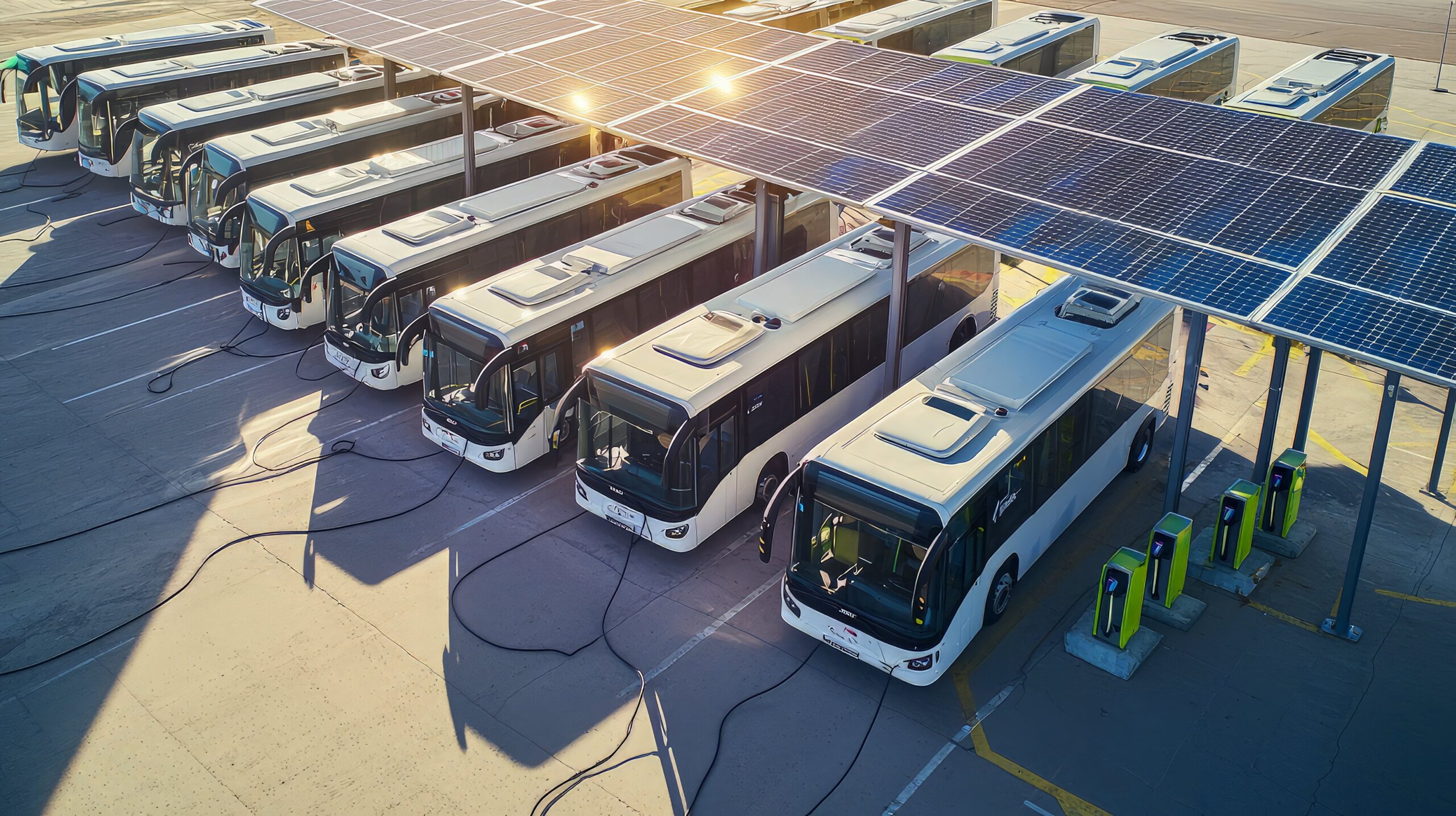
Electric buses are emerging as a cornerstone of sustainable urban transport, addressing both environmental concerns and mobility challenges. As cities evolve toward cleaner and smarter mobility, electric buses—paired with effective last-mile connectivity solutions—are redefining how people move across urban landscapes. This integration not only reduces carbon emissions but also ensures smoother, more efficient travel for millions of commuters.
Driving Sustainable Urban Transport
Electric buses offer a cleaner, quieter, and more efficient alternative to traditional diesel-powered public transport. Powered by renewable energy sources, they significantly cut greenhouse gas emissions and improve air quality in densely populated cities. Governments and transport authorities are investing heavily in EV bus fleets, supported by smart charging infrastructure and digital management systems that optimize energy use, route planning, and fleet maintenance. These buses are helping cities move closer to their net-zero emission goals while ensuring reliable mass transit.
Bridging the Last-Mile Gap
Last-mile connectivity remains one of the biggest challenges in public transportation. Electric mobility solutions such as e-rickshaws, e-scooters, and small shuttle EVs are now bridging this crucial gap between major transport hubs and passengers’ final destinations. By integrating electric buses with these last-mile options, cities can create a seamless and connected transport network. Smart ticketing systems and mobile apps further enhance convenience, allowing commuters to plan entire journeys—from bus rides to last-mile transfers—through unified platforms.
Smart Infrastructure and Policy Support
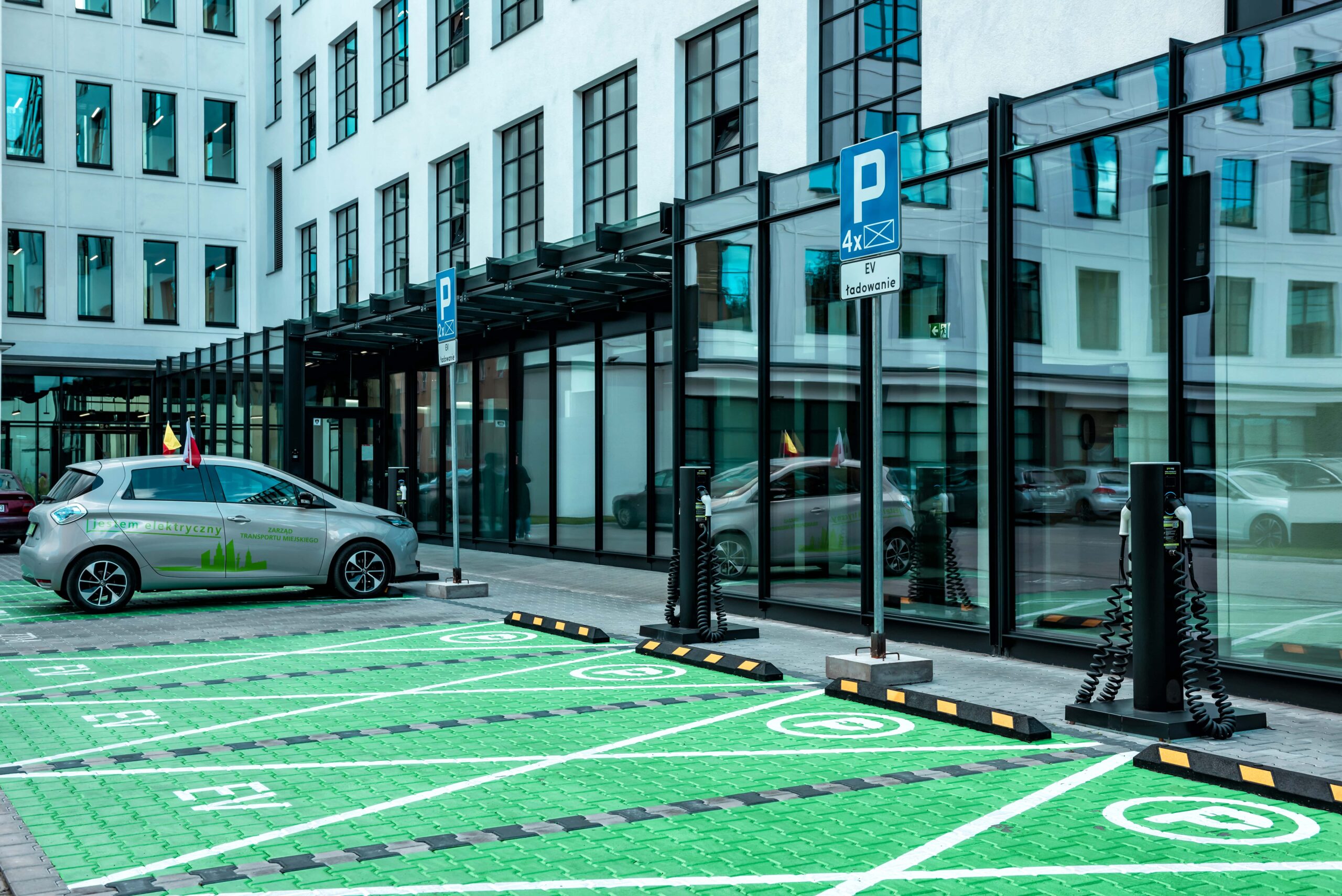
The success of electric buses and last-mile connectivity depends on robust infrastructure and strong policy support. Cities are building smart charging depots, renewable-powered bus terminals, and dedicated EV lanes to improve efficiency. Government incentives, subsidies, and public-private partnerships are accelerating adoption across India and globally. When combined with data-driven traffic management and IoT-based monitoring, these initiatives ensure a reliable, safe, and energy-efficient urban mobility ecosystem.
Conclusion
Electric buses, complemented by innovative last-mile connectivity solutions, are transforming the future of public transport. Together, they create an ecosystem that’s clean, efficient, and inclusive—reducing congestion, pollution, and travel time. As smart cities continue to evolve, the combination of electric mass transit and connected last-mile services will play a central role in shaping sustainable urban mobility for generations to come.
Share this content:

Post Comment