EV Charging Infrastructure in India 2026: Current Status, Challenges and Future
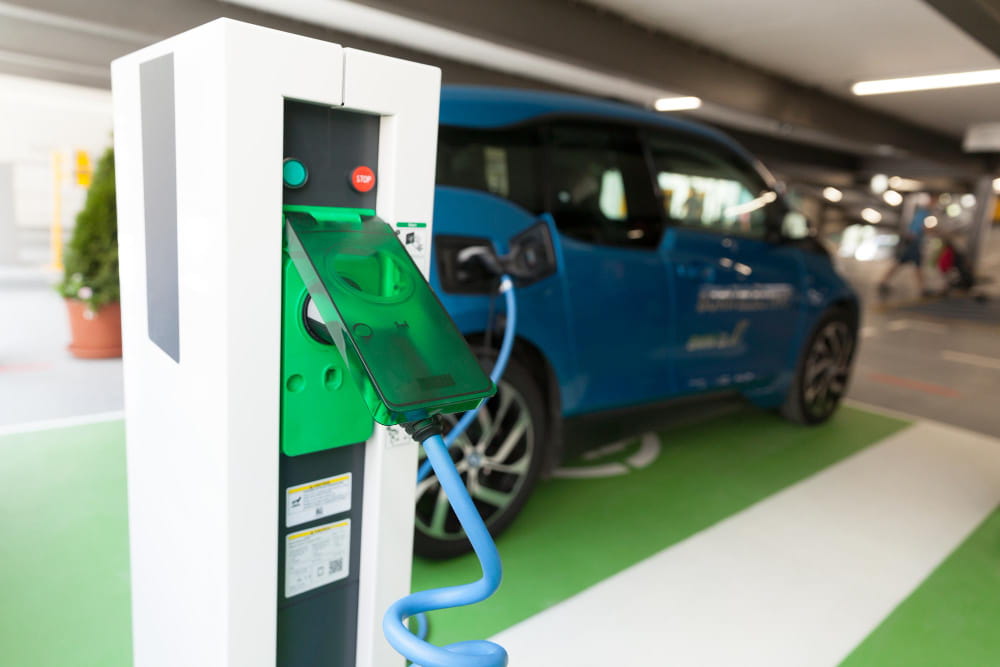
India’s electric vehicle revolution is accelerating, and EV charging infrastructure is becoming one of the most important pillars of this transition.
Electric cars, scooters, three-wheelers, buses and commercial EVs all depend on accessible and reliable charging. As EV adoption increases, India needs a charging ecosystem capable of supporting millions of electric vehicles across cities, highways, workplaces, residential societies and commercial hubs.
In 2026, the Indian EV charging market is moving from its early development phase towards large-scale infrastructure deployment. Government schemes such as PM E-DRIVE, increasing private investment, highway charging corridors, fast-charging technology, battery swapping and renewable-energy integration are collectively changing how EV charging works in India.
At the same time, significant challenges remain. Uneven charger availability, high infrastructure costs, charger uptime, land availability, grid capacity and the need for a simpler user experience can influence how quickly India’s charging network develops.
This guide provides an in-depth look at the current status of EV charging infrastructure in India in 2026, different charging technologies, government initiatives, costs, business opportunities, major challenges and the future of EV charging in India through 2030.
What Is EV Charging Infrastructure?
EV charging infrastructure refers to the network of charging equipment, electricity connections, software and supporting facilities required to recharge electric vehicles.
Charging can take place at homes, offices, apartment complexes, public parking areas, hotels, shopping malls, petrol pumps, dedicated charging hubs, highways, fleet depots and electric bus facilities.
Unlike petrol and diesel vehicles, electric vehicles do not necessarily need to visit a dedicated fuel station every time they require energy. An EV can often charge while parked at home, at an office or at another destination.
This means India’s future EV charging ecosystem is likely to become highly distributed, with charging facilities available at a wide variety of locations.
EV Charging Infrastructure in India 2026: Current Status
India’s EV charging network has expanded considerably over the past few years.
The rapid growth of electric two-wheelers, three-wheelers and passenger vehicles is increasing demand for both private and public charging facilities.
Charging infrastructure is now expanding across major metropolitan cities, Tier-2 and Tier-3 cities, national highways, expressways, petrol pumps, shopping centres, corporate offices, hotels, residential societies, public parking areas and commercial fleet depots.
However, understanding India’s charging infrastructure requires looking beyond the headline number of installed chargers.
A charging station is genuinely useful only when it is operational, accessible, compatible with the vehicle, reliably connected and conveniently located.
For EV owners, charger uptime and availability can therefore be just as important as the total number of chargers installed.
Why EV Charging Infrastructure Is Important for India
Charging infrastructure and EV adoption are closely connected.
Consumers may hesitate to purchase an electric vehicle if they are uncertain about where they will charge it. A strong charging network can reduce this concern and improve confidence in electric mobility.
One of the biggest issues associated with electric vehicles is range anxiety. Drivers may worry that their vehicle could run out of battery before reaching a charging station. Reliable charging coverage across cities and highways can significantly reduce this concern.
Charging infrastructure is also essential for long-distance electric travel. Home charging can work well for daily commuting, but intercity travel requires dependable highway fast charging.
Commercial fleets also require predictable charging access. Delivery vehicles, taxis, logistics fleets and electric buses can cover significant distances every day and often operate on strict schedules. Reliable fleet charging can therefore directly influence productivity and operating economics.
Consumer confidence also depends on the overall charging experience. Drivers increasingly expect to locate chargers easily, understand pricing, check availability and make payments without unnecessary complications.
Types of EV Charging Stations in India
India’s charging ecosystem includes several types of charging technologies, each suited to different vehicles and use cases.
Home EV Charging
Home charging is one of the most convenient options for private EV owners.
A vehicle can be plugged in after returning home and charged overnight. This approach works particularly well for drivers who have dedicated parking, predictable daily travel and access to an electricity connection near the parking area.
For many electric-car owners, home charging can satisfy the majority of everyday charging requirements.
AC EV Charging
AC charging is commonly used where vehicles remain parked for extended periods.
It is suitable for homes, offices, hotels, residential complexes, shopping centres and public parking facilities.
AC chargers generally require less infrastructure investment than high-power DC fast chargers, making them suitable for destination charging.
DC Fast Charging
DC fast charging is becoming increasingly important as electric-car adoption grows.
Fast chargers provide substantially higher charging power than conventional AC charging and can recharge compatible vehicles much more quickly.
They are particularly useful on highways, expressways, major urban roads, petrol pumps, commercial charging hubs and fleet facilities.
As battery capacities increase and consumers undertake longer electric journeys, demand for fast and reliable charging is likely to grow.
Highway EV Charging Stations
Highway charging infrastructure is essential for making intercity EV travel practical.
Reliable charging corridors can reduce range anxiety and make electric cars more suitable for long-distance journeys.
A strong highway charging network needs high-power chargers, multiple charging bays, reliable electricity supply, convenient access, good uptime and supporting facilities nearby.
Battery Swapping Stations
Battery swapping provides an alternative to conventional plug-in charging.
Instead of waiting for a depleted battery to recharge, the discharged battery can be exchanged for a charged battery.
This model can be especially useful for electric scooters, delivery vehicles, e-rickshaws, commercial three-wheelers and other high-utilisation vehicles.
For commercial drivers, reducing charging downtime can directly improve productivity and earnings.
Government Initiatives for EV Charging Infrastructure in India
Government policy is playing an important role in the development of India’s charging ecosystem.
The PM Electric Drive Revolution in Innovative Vehicle Enhancement Scheme, commonly known as PM E-DRIVE, is one of India’s major electric-mobility programmes.
The programme includes significant support for EV charging infrastructure, with ₹2,000 crore allocated for deployment of public EV charging facilities across India.
Before PM E-DRIVE, the Faster Adoption and Manufacturing of Electric Vehicles programme played an important role in developing the early charging ecosystem.
Under FAME-II, charging infrastructure was sanctioned across multiple cities, highways and expressways, helping create an initial foundation for public EV charging.
The Ministry of Power also introduced revised Guidelines for Installation and Operation of Electric Vehicle Charging Infrastructure in 2024.
These guidelines apply to charging facilities at private parking areas, offices, hospitals, educational institutions, housing societies, commercial complexes, railway stations, airports, metro stations, petrol pumps, highways and expressways.
The framework aims to encourage safe, reliable and accessible charging infrastructure while also supporting grid readiness and charging during periods of higher renewable-energy availability.
Can Anyone Open an EV Charging Station in India?
Setting up an EV charging station in India is generally treated as an unlicensed activity, subject to compliance with applicable electrical, technical, safety, land and other regulatory requirements.
This reduces an important entry barrier for private companies and entrepreneurs.
As a result, India’s charging market is attracting participation from startups, energy companies, automobile manufacturers, oil marketing companies, real-estate businesses, hotels, shopping malls, restaurants and fleet operators.
EV Charging Station Cost in India
One of the most searched questions related to EV infrastructure is how much it costs to establish an EV charging station in India.
There is no single fixed investment amount.
The cost depends heavily on charger type, power capacity, electricity connection requirements, transformer needs, civil work, land or rental costs, installation, networking, payment systems, software and maintenance.
A small AC charging facility can require substantially less investment than a multi-bay DC fast-charging hub.
Entrepreneurs should therefore avoid relying on generic online cost estimates when preparing an actual business plan.
A proper feasibility study should consider expected charger utilisation, electricity tariffs, land costs, equipment investment, vehicle traffic and operating expenses.
How Does an EV Charging Station Make Money?
EV charging operators can generate revenue through charging services, fleet agreements and partnerships with commercial properties.
Some charging hubs can also combine EV charging with parking, retail, food services and advertising.
This is particularly relevant for highway and destination charging locations, where drivers may spend additional time while their vehicles recharge.
The business opportunity can therefore extend beyond simply selling electricity.
EV Charging Station Business in India: Is It Profitable?
The EV charging station business in India has significant long-term potential, but profitability is not guaranteed.
One of the most important factors is charger utilisation.
Two charging stations with identical equipment can generate very different financial results if one is located on a busy highway or commercial route while the other receives very little EV traffic.
Location, electricity prices, land costs, charger type, maintenance expenses, competition, pricing and fleet partnerships can all affect profitability.
For this reason, location and utilisation are often more important than simply installing expensive charging equipment.
Major Challenges of EV Charging Infrastructure in India
India has made significant progress in developing charging infrastructure, but important challenges remain.
One major issue is uneven geographical distribution. Charging infrastructure tends to be concentrated in large cities and high-demand corridors, while smaller towns, rural regions and less-travelled highways may have fewer charging options.
Charger reliability is another important challenge. A station may appear on a charging application but still be unavailable because of maintenance problems, network failures, damaged connectors, payment issues or parking obstructions.
As the market matures, charger uptime will become an increasingly important performance indicator.
High installation costs can also slow expansion. Fast-charging stations may require expensive hardware, electrical upgrades, transformers, civil work and network connectivity.
Low charger utilisation can create another challenge, particularly in regions where EV adoption is still developing. Charging operators often need sufficient EV traffic to recover their investment, while potential EV buyers also want sufficient charging infrastructure before purchasing electric vehicles.
Land availability can be another major obstacle in densely populated urban areas. Prime commercial locations are often expensive and may have limited parking space.
Electricity grid capacity will also become increasingly important as more high-power charging hubs are developed. Electric bus depots, logistics centres, large taxi fleets and future truck charging facilities can require significant amounts of electrical power.
Charging time remains another consideration. Fast-charging technology continues to improve, but EV charging generally takes longer than refuelling a conventional petrol or diesel vehicle.
The user experience can also be fragmented. Drivers may need different applications for different charging networks, which can make charger discovery, payments and session management more complicated than necessary.
The ideal future charging experience should make it simple for drivers to find a charger, navigate to the location, start charging and make payment with minimal friction.
EV Charging Infrastructure and Renewable Energy
One of the most important long-term opportunities is integrating EV charging with renewable energy.
India is rapidly expanding solar and other renewable-energy capacity.
This creates opportunities for charging stations to use electricity during periods when renewable generation is high.
Solar power, battery storage and EV charging can increasingly work together as an integrated energy system.
Battery storage can help charging operators manage peak electricity demand by storing energy and supplying it when vehicle charging requirements increase.
Smart EV Charging in India
Future EV charging infrastructure will increasingly depend on software.
Smart charging systems can monitor electricity demand, charging sessions, charger status, energy prices, vehicle requirements and grid conditions.
This data can help optimise when and how vehicles charge.
Smart charging can potentially reduce electricity costs, improve charger utilisation and help electricity networks manage peak demand more efficiently.
EV Charging Apps and Digital Platforms
Digital platforms are becoming an important part of India’s EV charging ecosystem.
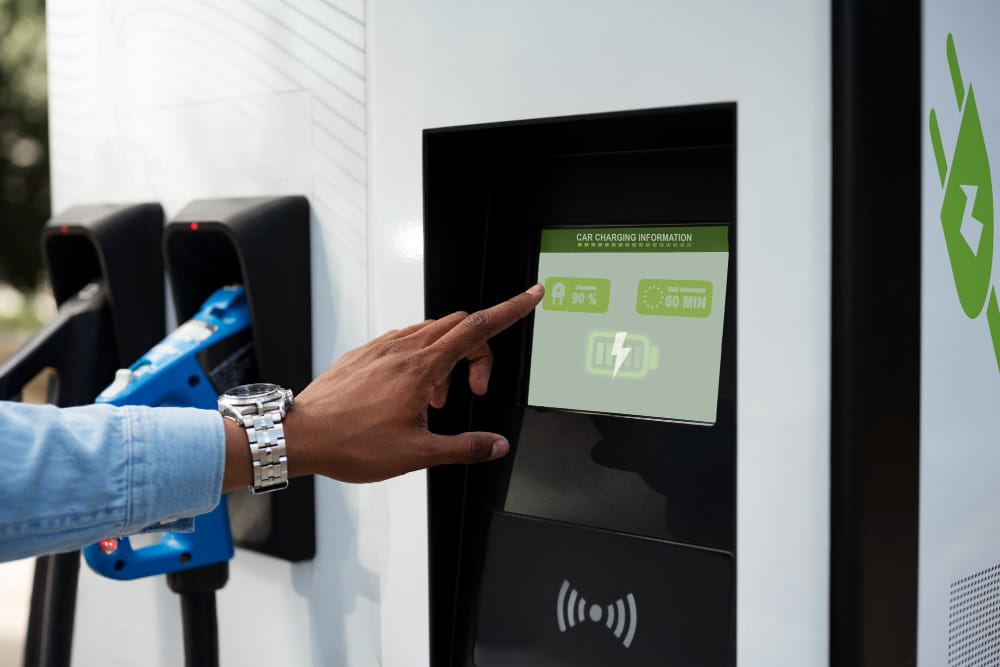
Modern charging applications can help users locate nearby charging stations, check charger availability, understand charging speeds, navigate to the location, start a charging session, monitor progress and make payments.
The long-term goal should be to make EV charging as simple and predictable as other mainstream digital services.
EV Charging Infrastructure for Apartments
Residential charging is one of the most important factors for mass electric-car adoption.
Owners of independent homes may be able to install private chargers relatively easily, but apartment residents can face additional challenges.
These can involve parking allocation, electricity load, metering, wiring, safety standards and approval from housing societies or property managers.
As electric-car adoption increases, EV-ready apartment complexes could become increasingly valuable.
EV Charging Infrastructure for Electric Two-Wheelers
India’s EV transition is not limited to passenger cars.
Electric scooters and motorcycles represent an important share of India’s electric mobility market.
Because two-wheelers generally have smaller batteries, their charging requirements can differ significantly from electric cars.
Home charging, portable batteries, workplace charging, public charging and battery swapping can all play an important role in this segment.
EV Charging Infrastructure for Electric Buses
Electric buses require specialised charging infrastructure.
Unlike private vehicles, buses usually operate according to predictable routes and schedules, allowing them to charge at dedicated depots.
However, charging many large bus batteries simultaneously can create significant electricity demand.
Bus depots may therefore require high-power charging systems, grid upgrades, energy-management software, smart charging and potentially battery storage.
EV Charging Infrastructure for Electric Trucks
Electric trucks could create another major infrastructure requirement in the future.
Heavy commercial vehicles need considerably more energy than passenger cars.
Future electric-truck networks may therefore require high-power charging hubs at logistics centres, industrial zones and strategic highway locations.
These facilities could eventually function as large-scale energy hubs rather than conventional small charging points.
Business Opportunities in EV Charging Infrastructure
India’s transition to electric mobility is creating opportunities across the entire EV charging value chain.
Public charging stations and highway fast-charging hubs can serve growing numbers of EV drivers.
Fleet charging can provide infrastructure for taxis, delivery vehicles and logistics operators.
Residential charging companies can provide installation and management services for apartment complexes and homes.
Charger manufacturing is another significant opportunity as India requires more AC and DC charging equipment.
Software companies can develop charge-point management systems, payment platforms, analytics tools and energy-management solutions.
Installation and maintenance services can also become a significant market as the installed base of chargers expands.
Battery swapping is another emerging area, particularly for commercial two-wheelers and three-wheelers.
Renewable-powered charging can create additional opportunities by combining solar power, battery storage and EV charging systems.
Future of EV Charging Infrastructure in India
The future of EV charging in India will involve much more than simply installing additional chargers.
The market is likely to move towards faster charging, better reliability, easier payments, smart energy management and wider geographical coverage.
Highway charging corridors are expected to become increasingly important as more electric cars are used for long-distance journeys.
Dedicated charging hubs for commercial fleets, buses and eventually electric trucks are also likely to expand.
Renewable-energy integration could become more common as charging operators combine solar generation and battery storage with EV infrastructure.
Digital interoperability will also become increasingly important. Consumers will expect real-time charger information, transparent pricing and seamless payments across different charging networks.
EV Charging Infrastructure in India by 2030
India’s charging requirements could increase dramatically by the end of the decade as electric vehicle adoption grows.
The country will require an ecosystem covering home charging, public charging, highway fast charging, fleet facilities, electric bus depots, commercial vehicle charging and battery swapping.
Charging stations themselves may also evolve.
Future charging hubs could combine high-power chargers, renewable energy, battery storage, restaurants, retail facilities and digital services at a single location.
This could transform EV charging from a basic utility into a broader mobility and energy service.
Is India Ready for Large-Scale EV Charging?
India has established the foundations of a nationwide EV charging ecosystem, but significant expansion is still required.
The country benefits from rapidly increasing EV adoption, government policy support, private-sector investment, renewable-energy growth and expanding domestic EV manufacturing.
However, the next phase of the market must focus on more than charger installation numbers.
Reliability, utilisation, affordability, geographical coverage and user experience will determine whether India’s charging infrastructure can successfully support mass electric mobility.
Conclusion
EV charging infrastructure in India in 2026 is at a critical stage of development.
The growth of electric cars, scooters, three-wheelers, buses and commercial vehicles is increasing demand for home charging, public charging, highway fast charging, battery swapping and fleet charging.
Government initiatives such as PM E-DRIVE and the Ministry of Power’s EV Charging Infrastructure Guidelines are providing support for further expansion.
However, major challenges remain, including uneven charging availability, high installation costs, charger reliability, grid capacity, low utilisation at some locations and land constraints.
India’s next phase of EV growth will therefore depend not simply on how many chargers are installed, but on whether those chargers are located where users need them and operate reliably when required.
For businesses, the EV charging transition creates opportunities in station operations, charger manufacturing, fleet charging, battery swapping, renewable energy, software, installation, maintenance and energy management.
As India moves towards 2030, EV charging infrastructure is likely to become one of the most important components of the country’s emerging electric-mobility ecosystem.
Frequently Asked Questions About EV Charging Infrastructure in India
How many EV charging stations are there in India in 2026?
India’s charging infrastructure has expanded rapidly. However, different official sources may report different figures depending on whether they are counting individual chargers, public charging stations, operational stations or charging locations. The date and definition behind each statistic should therefore be checked carefully.
What is EV charging infrastructure?
EV charging infrastructure includes charging equipment, electricity connections, software and supporting facilities required to recharge electric vehicles at homes, workplaces, public locations, highways and commercial facilities.
Are EV charging stations available on Indian highways?
Yes. Charging infrastructure has been developed and sanctioned along multiple highways and expressways, and highway charging coverage continues to expand.
Can I open an EV charging station in India?
Yes. EV charging is generally treated as an unlicensed activity in India, subject to applicable electrical, technical, safety, land and regulatory requirements.
Is an EV charging station business profitable in India?
It can be profitable, but returns depend on charger utilisation, location, electricity prices, land costs, equipment investment, maintenance expenses and customer demand.
What are the main types of EV chargers in India?
AC chargers and DC fast chargers are the major charging categories. Battery swapping also provides an alternative for certain electric two-wheelers and three-wheelers.
How long does an electric car take to charge?
Charging time depends on battery capacity, charger power, battery condition and the vehicle’s maximum supported charging rate. Home AC charging can take several hours, while DC fast charging can be considerably quicker.
What is the biggest challenge for EV charging in India?
Major challenges include uneven charger distribution, downtime, installation costs, land constraints, electricity-grid capacity, utilisation and lack of seamless interoperability between charging networks.
What is the future of EV charging in India?
India’s charging market is expected to move towards higher-powered fast charging, larger highway hubs, fleet charging, renewable-energy integration, smart charging, battery storage and improved digital connectivity.
Is home charging better than public charging?
For drivers with dedicated parking, home charging is often the most convenient option for everyday use. Public charging becomes more important for long-distance journeys and for users who do not have access to private charging.
What is battery swapping?
Battery swapping allows a depleted EV battery to be exchanged for a charged battery instead of waiting for conventional charging. It can be particularly useful for high-utilisation electric two-wheelers and three-wheelers.
Share this content:

Post Comment