Electric Vehicle Market in India 2026: Growth, Trends and Future Opportunities
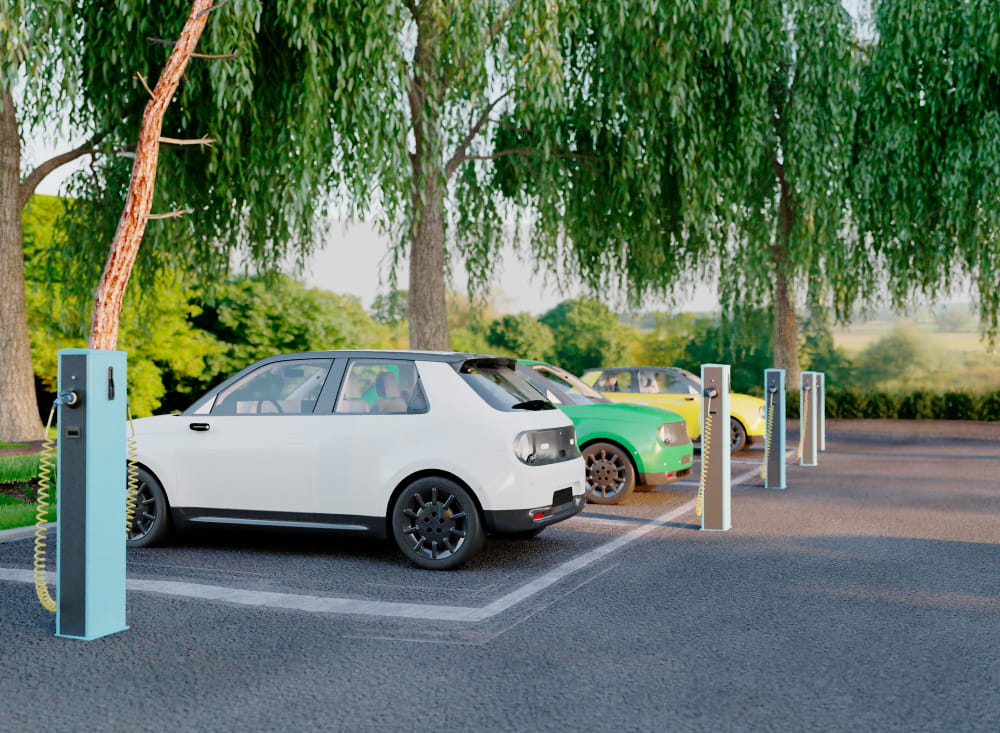
India’s automobile industry is undergoing one of its biggest transformations in decades. Electric vehicles (EVs), once considered a niche alternative to petrol and diesel vehicles, are rapidly becoming part of mainstream mobility.
In 2026, the electric vehicle market in India is being driven by rising fuel costs, improving battery technology, government incentives, expanding charging infrastructure, new vehicle launches and growing consumer awareness.
The transition is particularly visible in electric two-wheelers and three-wheelers, while electric passenger cars, buses and commercial vehicles are gradually gaining momentum.
According to government data, India registered approximately 19.68 lakh electric vehicles during FY 2024–25, compared with 16.81 lakh in FY 2023–24. The increase demonstrates how quickly electric mobility has expanded from its relatively small base.
Meanwhile, the International Energy Agency (IEA) reports that electric car sales in India increased by approximately 75% in 2025 to around 165,000 vehicles, accounting for nearly 4% of total car sales.
So, what is driving this growth, what are the biggest EV trends in 2026, and where are the future opportunities?
This article explores the Indian electric vehicle market in 2026, including market growth, government initiatives, charging infrastructure, industry trends, challenges and the outlook towards 2030.
Electric Vehicle Market in India: Overview
India is particularly well positioned for electrification because its vehicle market is different from many Western markets.
Two-wheelers and three-wheelers represent a major share of everyday transportation. These vehicles generally travel shorter distances, require smaller batteries and can have attractive operating economics when electrified.
As a result, India’s EV transition is not being led exclusively by passenger cars.
Electric scooters, motorcycles, auto-rickshaws, commercial three-wheelers, buses and fleet vehicles are playing an important role.
The IEA describes India as the world’s largest electric three-wheeler market. In 2025, electric three-wheeler sales in India increased by around 15% to almost 800,000 units, and more than two-thirds of three-wheelers sold in the country were electric.
At the same time, electric passenger cars are beginning to accelerate.
India had around 45 electric car models available in 2025, compared with 33 in 2024, giving consumers more options across different price categories.
India EV Market Growth: Key Numbers
Recent statistics illustrate the scale of India’s transition toward electric mobility.
Government data based on the VAHAN portal shows the following number of registered EVs:
| Financial Year | Registered Electric Vehicles |
|---|---|
| FY 2019–20 | 1.74 lakh |
| FY 2020–21 | 1.43 lakh |
| FY 2021–22 | 4.59 lakh |
| FY 2022–23 | 11.83 lakh |
| FY 2023–24 | 16.81 lakh |
| FY 2024–25 | 19.68 lakh |
The longer-term trend is clear: annual EV registrations have expanded dramatically since the beginning of the decade.
Government support is also reaching millions of vehicles. As of June 30, 2026, approximately 26.59 lakh EVs had been sold under the PM E-DRIVE Scheme, according to the Ministry of Heavy Industries.
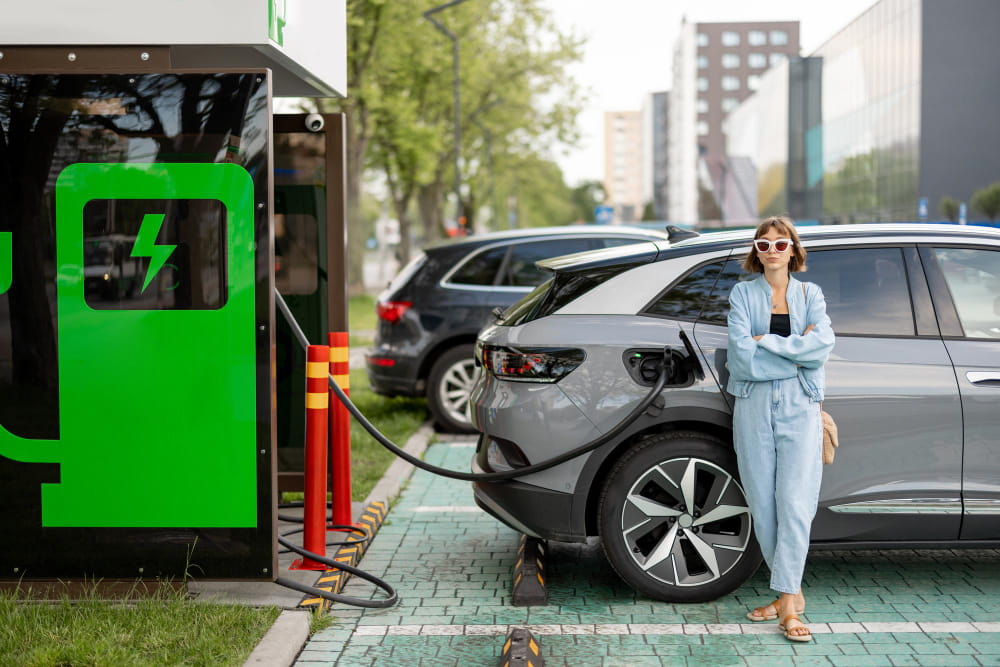
India’s charging ecosystem is expanding alongside vehicle adoption. Government figures published in August 2026 reported 67,657 EV chargers installed across states and Union Territories as of August 7, 2026, including 1,139 battery-swapping-station chargers.
Together, these developments show that India’s EV transition is moving beyond early adoption toward a broader mobility ecosystem.
Why Is the Electric Vehicle Market in India Growing?
Several structural factors are supporting the growth of EVs in India.
1. Lower Running Costs
Operating cost remains one of the strongest reasons for switching to electric vehicles.
Electric motors are highly efficient, and electricity costs per kilometre can be substantially lower than petrol or diesel, depending on the vehicle, charging tariff and driving pattern.
EVs also have fewer moving components than conventional internal-combustion-engine vehicles, potentially reducing routine maintenance requirements.
These economics are particularly attractive for vehicles covering large distances every day, including:
- Delivery vehicles
- Ride-hailing fleets
- Auto-rickshaws
- Commercial two-wheelers
- Corporate fleets
- Public transportation
The more kilometres a vehicle travels, the more important operating costs become when evaluating its total cost of ownership.
2. Government Support for Electric Mobility
Government policy remains an important catalyst for India’s EV industry.
One of the central initiatives is the PM Electric Drive Revolution in Innovative Vehicle Enhancement (PM E-DRIVE) Scheme.
The scheme was originally notified in September 2024 with an outlay of ₹10,900 crore.
Its overall tenure was subsequently extended until March 31, 2028, although demand incentives for registered electric two-wheelers, e-rickshaws/e-carts and L5 electric three-wheelers had separate terminal dates.
Government measures also include a reduced 5% GST on electric vehicles and EV chargers/charging stations, while battery-operated vehicles benefit from measures such as green licence plates and permit-related exemptions.
These initiatives are designed not only to increase EV adoption but also to strengthen India’s domestic electric-mobility ecosystem.
3. Rapid Growth of Electric Two-Wheelers
Two-wheelers are expected to remain one of the most important components of India’s EV transition.
Millions of Indians depend on scooters and motorcycles for commuting, delivery work and everyday transportation.
Electric two-wheelers are particularly suited to this environment because they can offer:
- Lower daily operating costs
- Convenient home charging
- Reduced maintenance requirements
- Zero tailpipe emissions
- Increasing model choices
- Improved battery ranges
Competition among manufacturers is also encouraging innovation in battery management, software, connected technology, design and charging.
As battery costs decline and product quality improves, electric scooters and motorcycles could become increasingly competitive with conventional two-wheelers.
4. India Leads in Electric Three-Wheelers
Electric three-wheelers are one of India’s biggest EV success stories.
According to the IEA, more than two-thirds of three-wheelers sold in India during 2025 were electric.
The segment benefits from a strong commercial use case.
Auto-rickshaw and delivery-vehicle operators typically travel significant distances every day. Lower energy and maintenance costs can therefore translate into meaningful savings over the vehicle’s operating life.
Electric three-wheelers are increasingly being used for:
- Passenger transportation
- E-commerce deliveries
- Grocery deliveries
- Last-mile logistics
- Small-business transportation
- Urban goods movement
This creates significant opportunities for manufacturers as well as battery, financing, leasing, charging and fleet-management companies.
5. Electric Cars Are Entering a Faster Growth Phase
Passenger EV adoption in India remains smaller than the electric two- and three-wheeler markets, but growth is accelerating.
The IEA reported that electric car sales increased approximately 75% year-on-year in 2025 to around 165,000 vehicles, representing close to 4% of passenger-car sales.
Around 60% of India’s electric car sales during the year were produced domestically by Tata and Mahindra, according to the IEA.
Another encouraging development is increasing product choice.
The number of electric car models available in India increased from around 33 models in 2024 to 45 in 2025.
More competition can help address several barriers to adoption by providing consumers with greater choice in terms of:
- Vehicle price
- Battery capacity
- Driving range
- Body style
- Performance
- Charging capabilities
- Technology and features
As the market matures, competition is likely to intensify across affordable, mid-range and premium EV categories.
6. Expansion of EV Charging Infrastructure
Charging infrastructure has historically been one of the biggest concerns surrounding EV adoption.
India is making significant investments to address the problem.
As of August 7, 2026, government figures showed 67,657 installed EV chargers across India, including 1,139 battery-swapping-station chargers.
The PM E-DRIVE Scheme also includes an allocation of ₹2,000 crore for public EV charging stations across India.
Expansion is expected across locations such as:
- National and state highways
- Petrol pumps
- Shopping malls
- Office complexes
- Residential communities
- Metro stations
- Public parking facilities
- Fleet hubs
- Bus depots
The next stage of development will not simply be about installing more chargers. Reliability, uptime, payment interoperability, charger utilisation and convenient locations will become increasingly important.
7. Battery Swapping Could Play an Important Role
Battery swapping offers an alternative to conventional plug-in charging.
Instead of waiting for a battery to recharge, drivers exchange a depleted battery for a charged one.
The model can be especially useful for commercial two- and three-wheelers where vehicle downtime directly affects earnings.
Potential advantages include:
- Faster turnaround
- Reduced downtime
- Smaller upfront vehicle costs under certain business models
- Better utilisation for commercial fleets
- Centralised battery charging and management
However, wider adoption will depend on factors including battery standardisation, economics, interoperability, network density and battery ownership models.
8. Domestic EV and Battery Manufacturing
India does not want to remain only a large consumer of electric vehicles. Policymakers are also attempting to develop domestic manufacturing capabilities.
Government programmes supporting advanced automotive manufacturing and batteries are designed to encourage investment across the EV supply chain.
Potential manufacturing opportunities include:
- Battery cells and packs
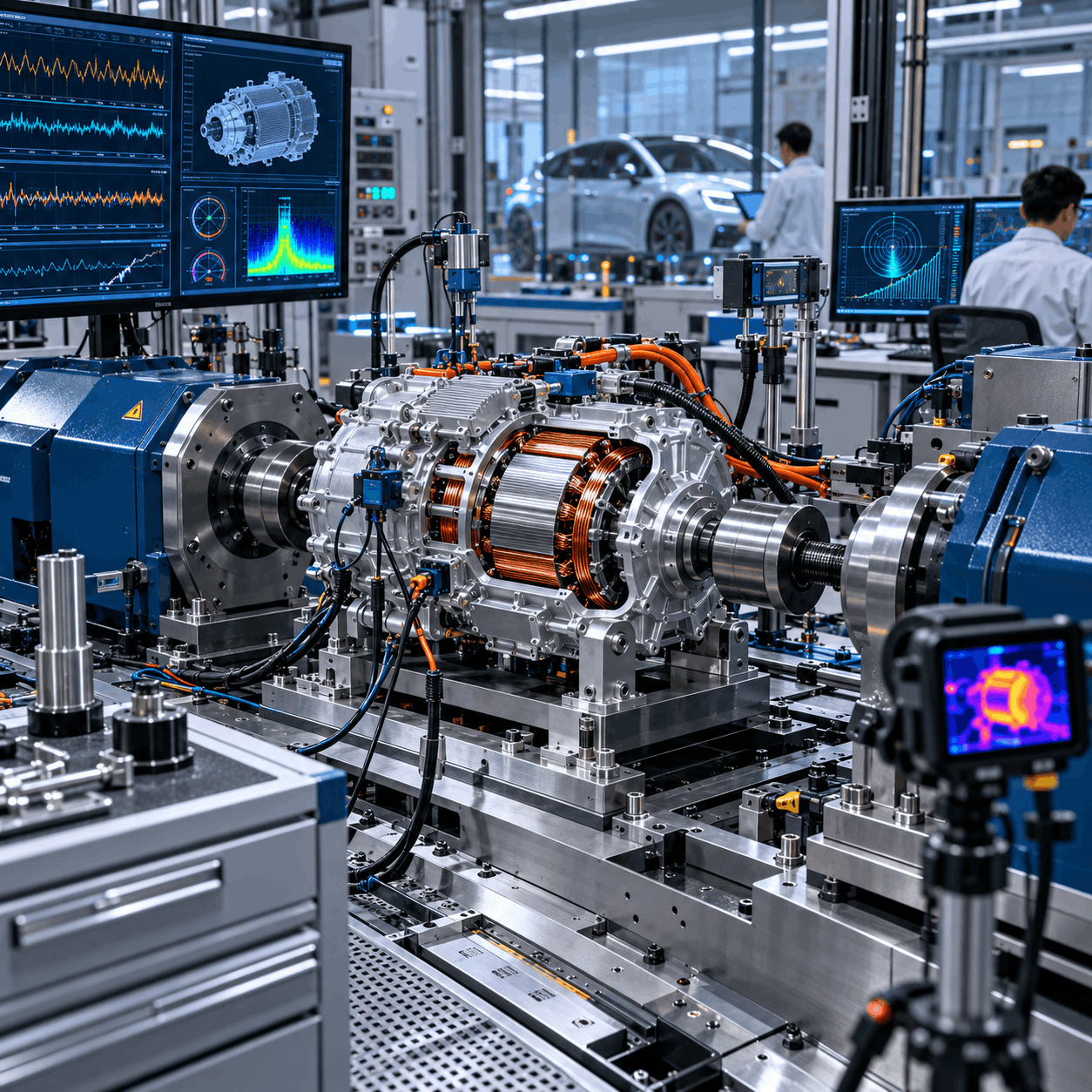
- Electric motors
- Power electronics
- Battery-management systems
- Vehicle-control units
- Charging equipment
- Thermal-management systems
- Software and connected-vehicle technology
- Battery recycling
India has also introduced the Scheme to Promote Manufacturing of Electric Passenger Cars in India (SPMEPCI).
The scheme provides eligible manufacturers with reduced import duties on a limited number of electric cars in exchange for investment and domestic manufacturing commitments.
A stronger domestic supply chain could help reduce import dependence while creating manufacturing capacity, jobs and export opportunities.
Major EV Market Trends in India in 2026
Several trends are shaping the next phase of India’s electric mobility industry.
Affordable EVs Will Remain Critical
India is a highly price-sensitive automobile market.
For EV adoption to expand beyond early adopters, manufacturers will need vehicles that offer attractive total ownership costs without requiring consumers to pay excessively high upfront premiums.
Smaller batteries, improved vehicle efficiency, local manufacturing and new financing structures could help manufacturers reach lower price points.
Range and Charging Speed Are Improving
Early electric vehicles often faced concerns about limited driving range.
Newer EV platforms are increasingly offering larger ranges and faster charging.
For most urban users, however, headline battery range is only part of the equation.
Consumers increasingly care about real-world range, charging reliability, battery warranty and how consistently the vehicle performs under Indian weather and traffic conditions.
Software-Defined Vehicles Are Growing
Modern electric vehicles increasingly combine mobility with software.
Features can include:
- Connected mobile applications
- Vehicle diagnostics
- Navigation
- Charging-station discovery
- Over-the-air software updates
- Remote vehicle monitoring
- Predictive maintenance
- Fleet analytics
Software and data services therefore represent an important opportunity beyond traditional automobile manufacturing.
Fleet Electrification Is Accelerating
Commercial fleets can be ideal candidates for electrification because operators focus heavily on total cost of ownership.
Delivery companies, logistics providers and mobility platforms can calculate routes and energy requirements more predictably than individual drivers.
High vehicle utilisation can also allow fuel savings to recover the additional upfront EV cost more quickly.
This makes last-mile logistics one of the most promising areas of India’s EV market.
Challenges Facing India’s Electric Vehicle Market
Despite strong growth, several challenges could affect the pace of adoption.
High Initial Purchase Price
Some EVs still cost more upfront than comparable petrol vehicles.
Battery costs are a major contributor.
Lower battery prices, domestic production, innovative financing and higher manufacturing volumes will therefore be important for achieving price parity.
Charging Availability
India’s charging network is expanding, but availability can still vary considerably between cities, highways and smaller towns.
Consumers need confidence that chargers will be available, operational and conveniently located.
Battery Supply Chain Dependence
Battery manufacturing depends on critical minerals and specialised components.
Developing domestic cell manufacturing, recycling capabilities and diversified supply chains will be important for India’s long-term EV ambitions.
Financing and Resale Value
Banks and non-banking financial companies need reliable data about battery life, residual value and vehicle performance to price EV loans effectively.
As India’s used-EV market matures, better battery-health diagnostics could improve resale-value transparency.
Consumer Awareness
Potential buyers still have questions about:
- Battery life
- Replacement costs
- Charging
- Range
- Insurance
- Maintenance
- Resale value
- Safety
Clear information from manufacturers, dealers, policymakers and charging companies will remain important.
Future Opportunities in India’s EV Market
The shift toward electric mobility creates opportunities far beyond manufacturing vehicles.
EV Charging Businesses
As the EV population expands, demand will increase for public, workplace, residential and highway charging.
Opportunities include charging-station ownership, charger manufacturing, charging-network software, installation and maintenance.
Battery Recycling
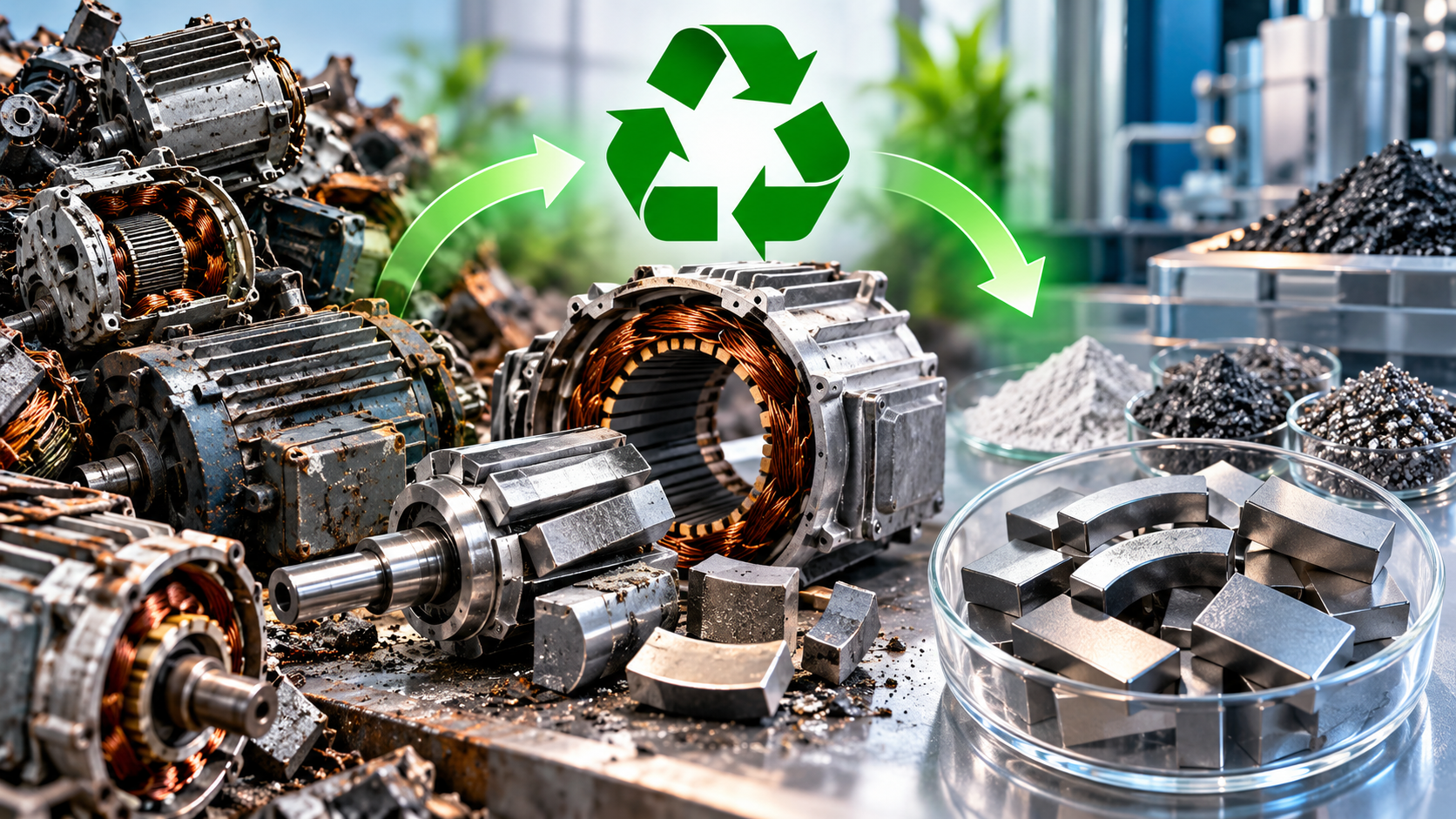
EV batteries contain valuable materials that can potentially be recovered and reused.
As the first large generation of Indian EV batteries reaches end-of-life, recycling and second-life battery businesses could become increasingly important.
EV Financing
Traditional vehicle loans may not always capture the economics of electric mobility.
New financial products could include:
- Battery financing
- EV leasing
- Fleet financing
- Battery-as-a-service
- Subscription models
Financial innovation could significantly reduce the upfront barrier to EV adoption.
Last-Mile Delivery
India’s expanding e-commerce and quick-commerce industries create a natural market for electric delivery vehicles.
Electric scooters and three-wheelers can be especially attractive for fixed urban delivery routes with high daily utilisation.
EV Software and Technology
EVs are increasingly technology platforms.
Startups can build businesses around fleet-management systems, battery analytics, charger-management software, predictive maintenance, telematics and energy optimisation.
Component Manufacturing
The transition creates opportunities for suppliers of electric motors, power electronics, battery-management systems, chargers, connectors, thermal-management equipment and other EV-specific components.
Electric Vehicle Market in India: Outlook to 2030
India’s EV market still has considerable room to grow.
The IEA’s stated-policy scenario indicates that around one in three vehicles sold in India could be electric by 2030 when two- and three-wheelers are included.
Electric passenger cars are also expected to become more significant. Under the IEA’s stated-policy assumptions, electric cars could approach 15% of Indian car sales by 2030.
Electric buses represent another major opportunity. Government programmes are supporting tens of thousands of electric buses, which could accelerate the electrification of public transportation.
However, India’s transition will likely remain different from EV adoption in markets such as Europe or the United States.
Rather than passenger cars alone driving electrification, India’s EV ecosystem is likely to be shaped heavily by two-wheelers, three-wheelers, public transport and commercial fleets.
Is 2026 a Turning Point for India’s EV Industry?
2026 represents an important stage in India’s electric mobility journey.
EV adoption has moved well beyond experimentation. Millions of electric vehicles are now being supported or registered, charging infrastructure is expanding, electric three-wheelers have achieved substantial market penetration, and electric passenger-car sales are accelerating.
At the same time, the industry has entered a more competitive phase.
Future success will depend less on simply launching an electric vehicle and more on delivering the right combination of price, real-world range, battery reliability, charging convenience, financing and after-sales service.
Companies that solve these practical challenges could benefit significantly as India’s EV ecosystem expands.
Conclusion
The electric vehicle market in India in 2026 is evolving rapidly, supported by government initiatives, changing consumer preferences, expanding charging infrastructure and increasing investment in domestic manufacturing.
Electric two-wheelers and three-wheelers remain central to the transition, while passenger EVs, electric buses, commercial vehicles and charging networks are creating additional growth opportunities.
India’s next phase of EV growth will depend on making electric mobility more affordable, convenient and reliable.
If charging networks continue to improve, battery and vehicle costs decline, and domestic manufacturing expands, electric vehicles could capture a significantly larger share of India’s transportation market by the end of the decade.
For automobile manufacturers, startups, investors, charging companies, fleet operators and technology providers, India’s EV transition represents not only a shift in transportation but the emergence of an entirely new mobility ecosystem.
Frequently Asked Questions (FAQs)
How big is the electric vehicle market in India in 2026?
India’s EV market continues to expand rapidly. Government data shows 19.68 lakh EV registrations in FY 2024–25, while millions of additional vehicles have been supported through government electric-mobility programmes. Electric two-wheelers and three-wheelers account for a major portion of adoption.
Is the EV market growing in India?
Yes. EV registrations have risen significantly over the past several years. Electric passenger-car sales also grew strongly in 2025, while India remains the world’s largest electric three-wheeler market.
Which EV segment is growing fastest in India?
Electric two-wheelers and three-wheelers are among India’s most important EV segments. Electric passenger cars are smaller in volume but are experiencing strong growth as more models enter the market.
How many EV charging stations are there in India?
According to the Ministry of Heavy Industries, India had 67,657 installed EV chargers as of August 7, 2026, including 1,139 battery-swapping-station chargers.
What is PM E-DRIVE?
PM E-DRIVE stands for PM Electric Drive Revolution in Innovative Vehicle Enhancement. It is a Government of India programme supporting electric mobility through measures covering eligible EVs, electric buses, charging infrastructure and other parts of the EV ecosystem.
What are the biggest opportunities in India’s EV industry?
Major opportunities include electric two- and three-wheelers, passenger EVs, fleet electrification, battery manufacturing, battery recycling, charging infrastructure, EV financing, last-mile logistics, software and component manufacturing.
What is the future of electric vehicles in India by 2030?
The outlook remains positive. Under the IEA’s stated-policy scenario, approximately one-third of vehicles sold in India could be electric by 2030 when two- and three-wheelers are included. Actual adoption will depend on vehicle affordability, charging infrastructure, policy implementation and technology development.
Share this content:
Post Comment