Autonomous Electric Vehicles: Shaping the Next Generation of Smart Transportation
Transportation has always evolved alongside technological innovation. From horse-drawn carriages to gasoline-powered vehicles and now electric mobility, every breakthrough has transformed the way people travel. Today, another revolution is underway. Autonomous Electric Vehicles (AEVs) combine artificial intelligence with electric mobility to create a transportation system that is safer, cleaner, and smarter than ever before.
Unlike conventional vehicles, AEVs can analyze their surroundings, make driving decisions in real time, and operate with minimal human intervention. At the same time, their electric powertrains eliminate tailpipe emissions and improve energy efficiency. This powerful combination has the potential to reshape personal transportation, public transit, logistics, and smart cities.
As governments invest in sustainable mobility and automotive companies accelerate innovation, Autonomous Electric Vehicles are no longer a vision of the future—they are becoming part of our everyday reality.
What Are Autonomous Electric Vehicles?
Autonomous Electric Vehicles are battery-powered vehicles equipped with self-driving technology. They use artificial intelligence, machine learning, cameras, radar, LiDAR, GPS, and advanced sensors to understand their surroundings and make driving decisions without constant human input.
The electric powertrain replaces the traditional internal combustion engine with rechargeable batteries and electric motors, making the vehicle quieter, more energy-efficient, and environmentally friendly. Meanwhile, autonomous driving systems continuously monitor road conditions, identify potential hazards, and respond to changing traffic situations within milliseconds.
Together, these technologies create a vehicle that delivers both intelligent automation and sustainable mobility.
How Do Autonomous Electric Vehicles Work?
Every journey begins with data.
As the vehicle moves, its cameras, radar, LiDAR, ultrasonic sensors, and GPS continuously collect information about the surrounding environment. They identify road signs, lane markings, pedestrians, cyclists, nearby vehicles, and unexpected obstacles.
The onboard AI system instantly processes this information and predicts how surrounding objects are likely to move. Based on these predictions, the vehicle decides when to accelerate, brake, steer, or change lanes while following traffic rules and maintaining safe distances.
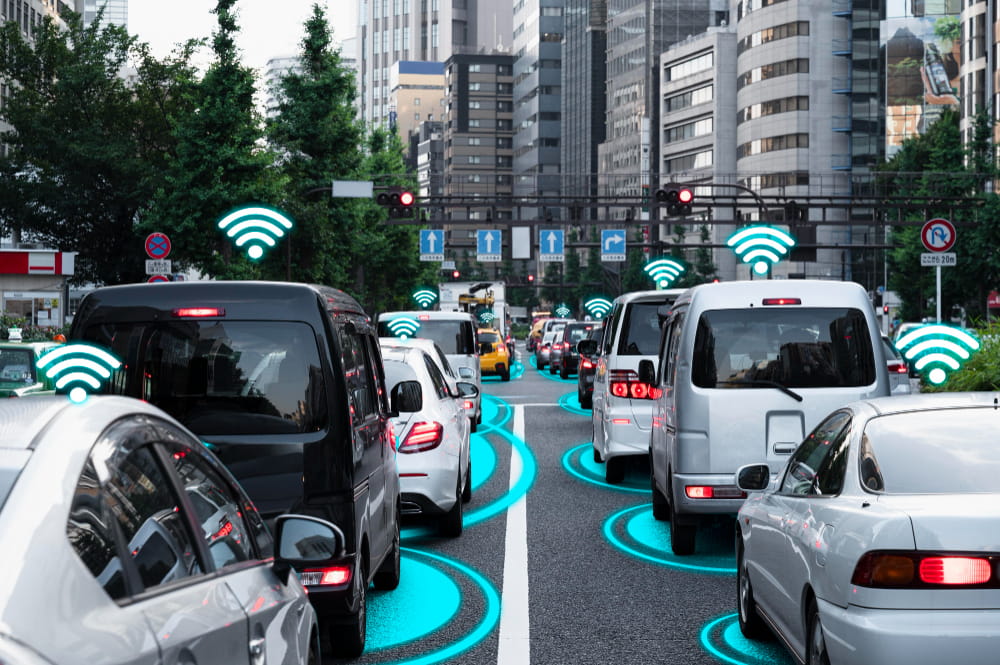
The electric motor then delivers smooth, quiet, and efficient performance throughout the journey. Many Autonomous Electric Vehicles also connect to cloud platforms and smart traffic infrastructure, allowing them to receive live navigation updates, software improvements, and real-time traffic information.
This continuous cycle of sensing, analyzing, deciding, and acting enables Autonomous Electric Vehicles to navigate safely in dynamic driving environments.
Why Are Autonomous Electric Vehicles Important?
Modern transportation faces several pressing challenges. Road accidents claim thousands of lives every day, urban traffic continues to worsen, fuel prices fluctuate, and transportation remains one of the largest contributors to greenhouse gas emissions.
Autonomous Electric Vehicles address these challenges from multiple angles.
Their intelligent driving systems reduce the likelihood of accidents by eliminating distractions, fatigue, and many other forms of human error. Electric propulsion reduces dependence on fossil fuels while helping cities improve air quality and lower carbon emissions.
By communicating with other connected vehicles and traffic infrastructure, AEVs can also optimize traffic flow, reduce unnecessary braking, and minimize congestion. The result is a transportation system that benefits drivers, passengers, businesses, and the environment alike.
Key Benefits of Autonomous Electric Vehicles
Enhanced Road Safety
Autonomous driving systems continuously monitor the driving environment and react within milliseconds to changing road conditions. This constant awareness helps prevent collisions and creates safer roads for everyone.
Cleaner and Greener Transportation
Electric vehicles produce zero tailpipe emissions, making them a practical solution for reducing urban air pollution. As renewable energy adoption grows, Autonomous Electric Vehicles will further reduce the environmental impact of transportation.
Lower Operating Costs
Electric motors contain fewer moving parts than traditional engines, which reduces maintenance requirements and lowers long-term ownership costs. Businesses operating autonomous fleets can also improve efficiency while reducing labor and fuel expenses.
Improved Accessibility
Autonomous Electric Vehicles can provide independent mobility for older adults, people with disabilities, and individuals who cannot drive. This technology creates more inclusive transportation options for society.
Increased Productivity
Instead of concentrating on driving, passengers can use travel time to work, communicate, read, or relax. Daily commuting can become productive time rather than lost time.
Challenges That Still Need Solutions
Although Autonomous Electric Vehicles continue to advance rapidly, several obstacles remain.
Governments must establish consistent regulations that define safety standards, testing procedures, insurance policies, and legal responsibility for autonomous driving.
Cybersecurity also remains a top priority. Manufacturers must protect connected vehicles against hacking attempts and unauthorized access by implementing strong security measures and regular software updates.
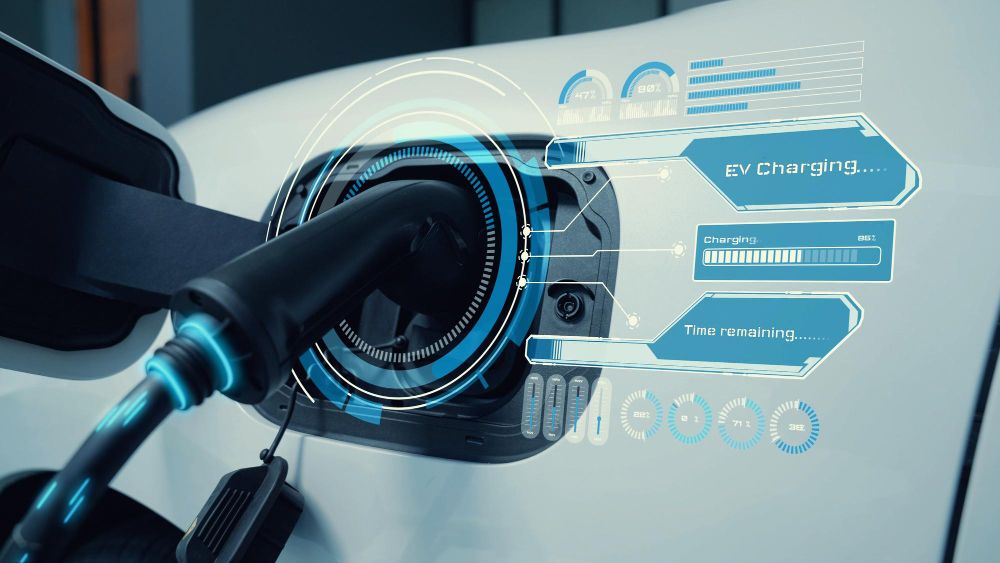
Infrastructure presents another challenge. Cities need reliable charging stations, high-speed communication networks, smart traffic management systems, and high-definition digital maps to support autonomous mobility at scale.
Public confidence also plays a crucial role. Manufacturers must continue demonstrating the reliability and safety of autonomous systems through extensive testing and transparent communication.
Real-World Applications
Autonomous Electric Vehicles are already transforming multiple industries.
Public transportation agencies are introducing autonomous buses and shuttles to improve urban mobility. Logistics companies are deploying autonomous electric trucks to streamline freight transportation, while retailers are testing self-driving delivery vehicles for last-mile deliveries.
Manufacturing facilities, airports, ports, warehouses, mining sites, and agricultural operations are also adopting Autonomous Electric Vehicles to automate repetitive tasks, improve workplace safety, and increase operational efficiency.
As smart city initiatives expand, AEVs will become an essential part of connected transportation ecosystems.
The Road Ahead
The future of Autonomous Electric Vehicles looks increasingly promising.
Advancements in artificial intelligence continue to improve decision-making capabilities, while next-generation batteries offer longer driving ranges and faster charging times. Vehicle-to-Vehicle (V2V) and Vehicle-to-Infrastructure (V2I) communication will enable vehicles to share real-time information, creating safer and more efficient road networks.
Industry experts also expect autonomous ride-sharing services, electric logistics fleets, and intelligent public transportation systems to expand significantly over the coming decade. As technology becomes more affordable, Autonomous Electric Vehicles will become accessible to a wider range of consumers and businesses.
Conclusion
Autonomous Electric Vehicles represent far more than another automotive innovation. They redefine how people and goods move by combining intelligent automation with sustainable electric mobility.
Although challenges related to regulation, infrastructure, cybersecurity, and public acceptance still require attention, continuous innovation is accelerating adoption worldwide. As technology matures and smart infrastructure expands, Autonomous Electric Vehicles will help create transportation systems that are safer, cleaner, more efficient, and better connected than ever before.
The journey toward autonomous electric mobility has already begun, and it promises to shape the future of transportation for generations to come.
Share this content:
Post Comment