Electric Scooter vs Petrol Scooter: Which One is the Better Choice in 2026?
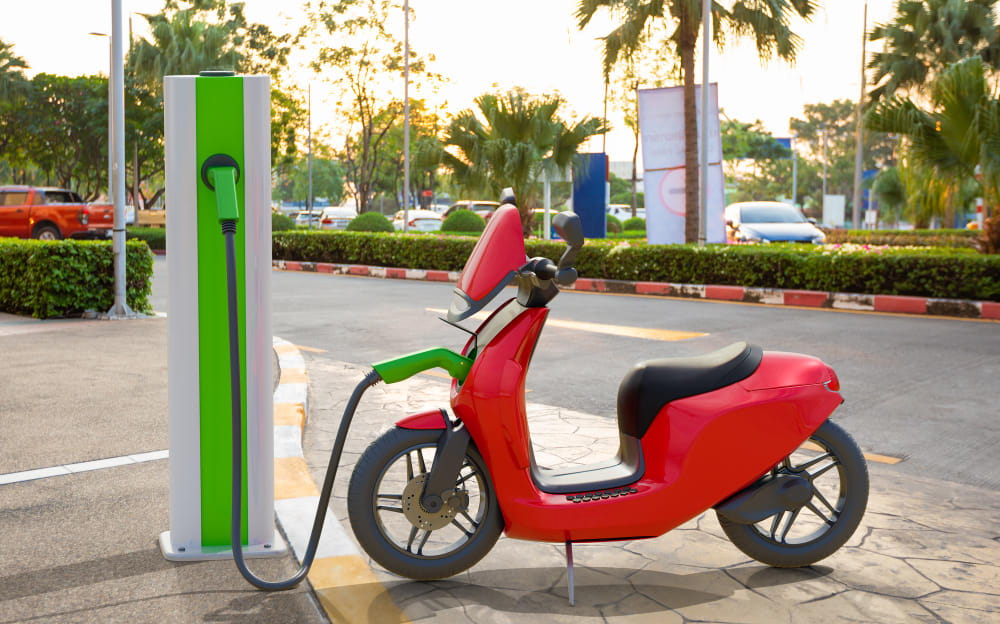
The Indian two-wheeler market is rapidly evolving, and electric scooters are becoming a popular alternative to traditional petrol scooters. Rising fuel prices, lower maintenance costs, and growing environmental awareness have encouraged many buyers to consider switching to electric mobility.
However, does an electric scooter suit everyone’s needs? Or is a petrol scooter still the better option for certain riders?
The answer depends on several factors, including your daily travel distance, budget, maintenance expectations, and riding habits. In this detailed comparison, we’ll examine every important aspect to help you choose the right scooter.
Purchase Price
When buying a scooter, the initial investment is often the first consideration.
Petrol scooters generally have a lower purchase price, making them attractive for buyers looking for an affordable option. Electric scooters usually cost more because of their lithium-ion battery packs and advanced technology.
However, the higher price of an electric scooter should be viewed as a long-term investment. Lower fuel and maintenance expenses often help recover the additional cost over time. In many states, government incentives and manufacturer discounts can further reduce the purchase price.
Key Takeaway: Petrol scooters are less expensive upfront, while electric scooters provide better long-term value.
Running Cost
Running cost is one of the biggest reasons why electric scooters have gained popularity.
Charging an electric scooter consumes very little electricity, making every kilometer significantly cheaper than riding a petrol scooter. Depending on electricity rates, an electric scooter typically costs between ₹0.20 and ₹0.50 per kilometer, whereas a petrol scooter usually costs ₹2 to ₹3 per kilometer.
For someone who travels 30–50 kilometers every day, the annual savings on fuel can be substantial. Over several years of ownership, these savings can easily offset the higher purchase price.
Key Takeaway: Electric scooters offer significant savings for daily commuters.
Maintenance and Servicing
Maintenance plays an important role in determining the overall cost of owning a scooter.
Electric scooters have a much simpler mechanical design. Since they don’t have an engine, gearbox, clutch, spark plugs, or engine oil, they require fewer service visits and fewer replacement parts. Routine maintenance generally includes checking the brakes, tires, suspension, and battery health.
Petrol scooters, on the other hand, require regular servicing that includes oil changes, filter replacements, spark plug maintenance, belt inspections, and engine tuning. These recurring service expenses increase the overall ownership cost.
If you prefer a low-maintenance vehicle with fewer mechanical issues, an electric scooter is a practical choice.
Performance and Riding Experience
Performance is more than just top speed—it’s about how the scooter feels in everyday riding.
Electric scooters deliver instant torque the moment you twist the throttle, resulting in smooth and quick acceleration. This makes them ideal for navigating traffic, stop-and-go city roads, and short daily commutes. They also operate almost silently, providing a comfortable riding experience.
Petrol scooters generally achieve higher top speeds and maintain performance over long highway rides. They are better suited for riders who frequently travel outside the city or cover long distances.
For urban commuting, electric scooters offer a smoother and more relaxing ride, while petrol scooters remain a better option for extended highway travel.
Range and Refueling Convenience
Range is an important factor when choosing between electric and petrol scooters.
Modern electric scooters typically offer a range between 80 and 200 kilometers on a full charge, depending on the battery size, riding style, and road conditions. While this is sufficient for most daily commuters, longer journeys require charging breaks.
Petrol scooters usually provide a riding range of 250 to 400 kilometers on a full tank, and refueling takes only a few minutes at widely available fuel stations.
If your daily travel stays within city limits, the range of an electric scooter is usually more than enough. However, for frequent intercity travel, petrol scooters provide greater convenience.
Charging vs Refueling
Charging infrastructure has improved considerably in recent years, but it still cannot match the convenience of petrol stations.
Most electric scooters require approximately 3 to 8 hours for a complete charge using a standard charger. Fast chargers can reduce charging time, but they may not be available everywhere.
Petrol scooters can be refueled almost instantly at any fuel station, making them more suitable for spontaneous long-distance trips.
If you have access to home or office charging, charging an electric scooter becomes simple and convenient.
Environmental Impact
Environmental responsibility is another major factor influencing buying decisions.
Electric scooters produce zero tailpipe emissions, helping reduce air pollution and greenhouse gas emissions. They also contribute to quieter cities because electric motors generate very little noise.
Petrol scooters burn fossil fuels and release carbon dioxide, nitrogen oxides, and other pollutants into the atmosphere. Although newer petrol scooters comply with stricter emission standards, they still have a greater environmental impact than electric vehicles.
For buyers who want to reduce their carbon footprint, electric scooters are the more sustainable option.
Battery Life vs Engine Durability
Many buyers worry about battery replacement costs when considering an electric scooter.
Modern lithium-ion batteries are designed to last between 5 and 8 years, or thousands of charging cycles. Proper charging habits and regular servicing can help maximize battery life.
Petrol scooter engines are also highly durable and can easily last for many years when maintained properly. However, they require more frequent servicing and replacement of mechanical components over time.
Both options can provide excellent longevity when properly maintained.
Which Scooter Should You Choose?
Your decision should ultimately depend on your lifestyle and commuting requirements.
An electric scooter is ideal if you:
- Travel mostly within the city.
- Want to reduce fuel expenses.
- Prefer lower maintenance costs.
- Have access to home or workplace charging.
- Want an environmentally friendly mode of transportation.
A petrol scooter is a better choice if you:
- Frequently travel long distances.
- Need quick refueling during trips.
- Ride in areas where charging infrastructure is limited.
- Prefer higher cruising speeds for highway travel.
Electric Scooter vs Petrol Scooter: Comparison Table
| Feature | Electric Scooter | Petrol Scooter |
|---|---|---|
| Initial Purchase Price | Higher | Lower |
| Running Cost | Very Low | High |
| Maintenance | Minimal | Regular Servicing Required |
| Fuel Cost | Electricity | Petrol |
| Charging/Refueling Time | 3–8 Hours | 2–5 Minutes |
| Average Range | 80–200 km | 250–400 km |
| Noise Level | Almost Silent | Engine Noise |
| Emissions | Zero Tailpipe Emissions | Produces Carbon Emissions |
| Best Use | Daily Urban Commute | Long-Distance Travel |
Final Verdict
There is no single “best” scooter—only the one that best matches your lifestyle.
If your daily travel consists of commuting to work, college, or nearby destinations, an electric scooter offers excellent value through lower running costs, minimal maintenance, and environmentally friendly performance. Although the initial investment may be higher, the long-term savings often make it a worthwhile purchase.
On the other hand, if your routine involves frequent highway rides, long-distance travel, or you require the flexibility of quick refueling, a petrol scooter remains a reliable and practical choice.
Before making your purchase, consider your daily mileage, charging accessibility, maintenance budget, and long-term ownership costs. By evaluating these factors carefully, you’ll be able to choose a scooter that delivers the right balance of convenience, performance, and value for years to come.
Share this content:

Post Comment