Electric Car Insurance: A Complete Guide for EV Owners

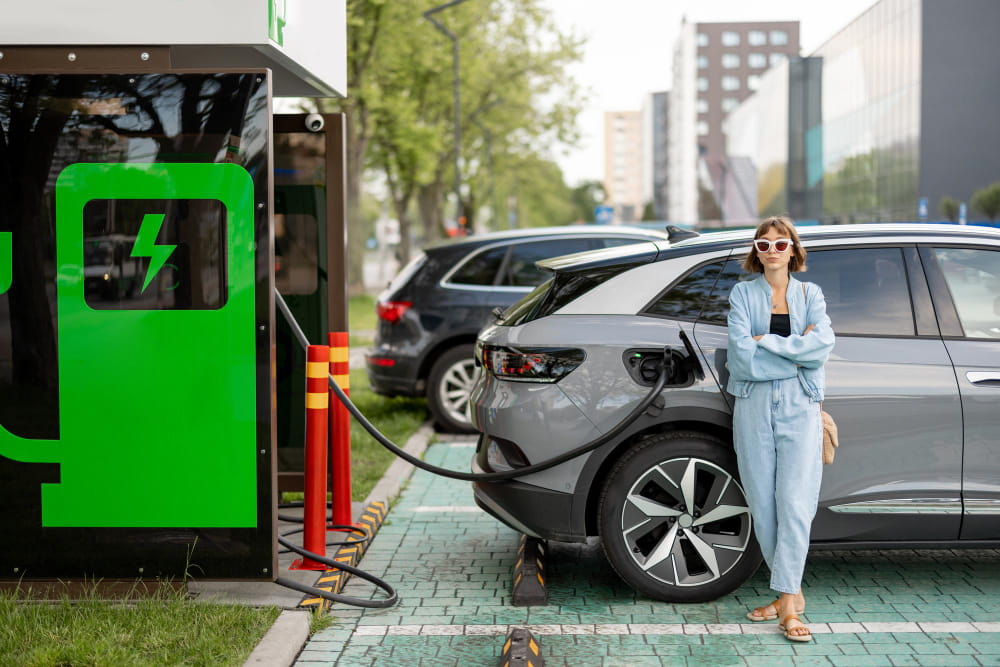
Electric vehicles (EVs) are becoming increasingly popular as more people choose eco-friendly and fuel-efficient transportation. As the number of electric cars on the road continues to grow, understanding electric car insurance has become more important than ever. Although EV insurance works similarly to traditional car insurance, it includes specialized coverage options designed to protect the unique features of electric vehicles, such as battery systems and charging equipment.
What Is Electric Car Insurance?
Electric car insurance is a type of auto insurance policy that provides financial protection for electric vehicles against accidents, theft, fire, natural disasters, and third-party liabilities. It offers the same core coverage as standard car insurance while addressing the additional risks associated with electric vehicles. Since EVs contain advanced technology and expensive components, many insurance providers offer policies specifically designed to meet the needs of electric car owners.
Why Is Electric Car Insurance Different?
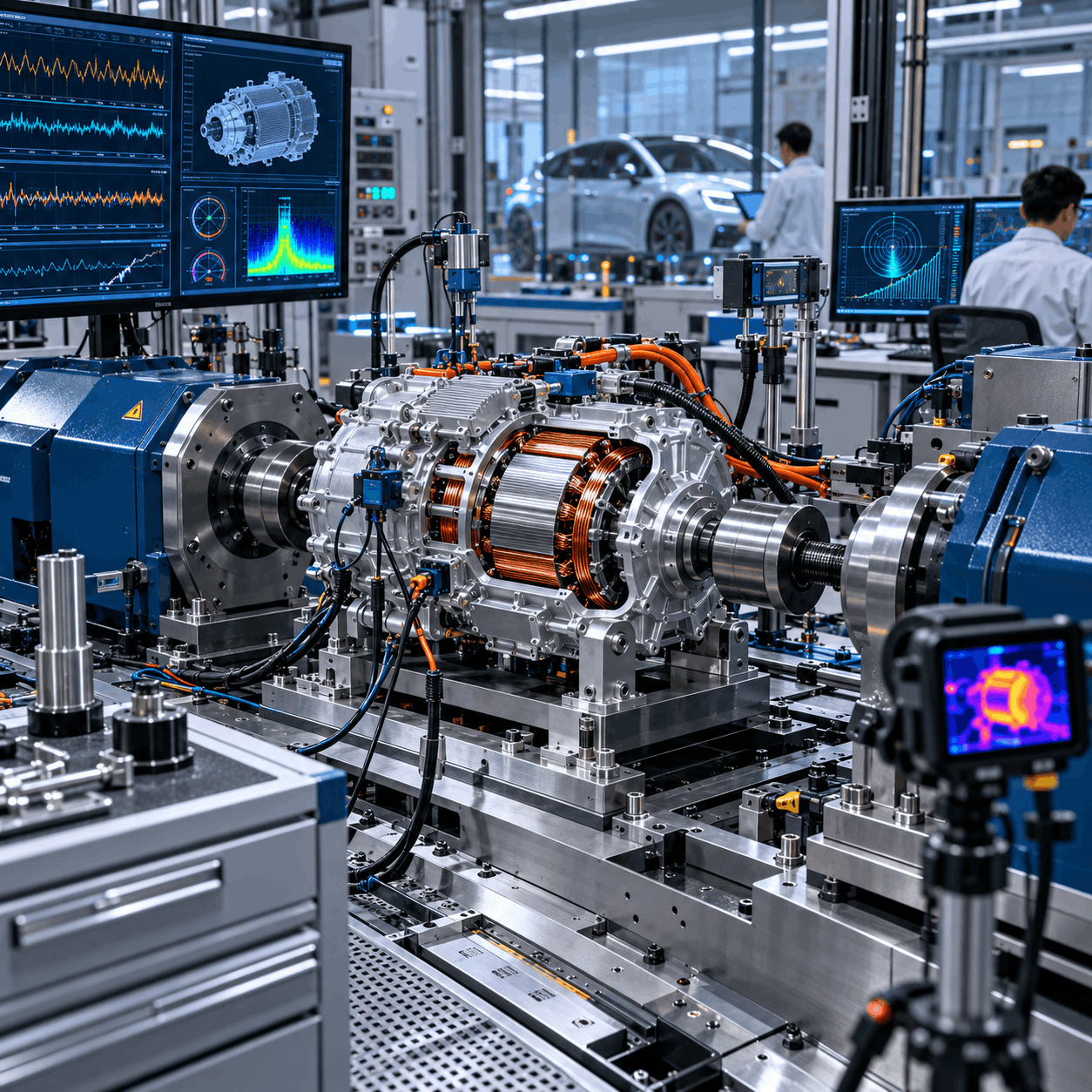
Electric vehicles differ from conventional gasoline-powered cars because they rely on high-capacity batteries, electric motors, and sophisticated electronic systems. These components are generally more expensive to repair or replace, which can influence insurance premiums. In addition, EV repairs often require certified technicians and specialized equipment, making repair costs higher than those for traditional vehicles. These factors make specialized insurance coverage an important consideration for EV owners.
Coverage Included in Electric Car Insurance
A comprehensive electric car insurance policy typically protects the vehicle against a wide range of risks. It covers third-party liability if the insured vehicle causes damage to another person or property. It also includes protection for collision damage, theft, fire, vandalism, floods, storms, and other unexpected events. Many insurers also offer optional coverage for battery damage, charging cables, and home charging stations. Some policies even provide EV-specific roadside assistance to help drivers in case of battery-related emergencies or vehicle breakdowns.
Factors That Affect Electric Car Insurance Premiums
The cost of electric car insurance depends on several factors that insurance companies use to assess risk. These include the make and model of the vehicle, battery replacement cost, repair expenses, the driver’s age and experience, driving history, annual mileage, location, and the vehicle’s safety and security features. Premium electric vehicles generally cost more to insure because their replacement parts and repair services are more expensive than those of standard electric models.
Benefits of Electric Car Insurance
Having the right insurance policy provides financial security and peace of mind. It helps cover costly repairs after accidents, protects against theft and natural disasters, and ensures that expensive components such as the battery are covered when applicable. Many insurance providers also offer cashless repairs through authorized service centers, quick claim settlements, and optional roadside assistance, making vehicle ownership more convenient and stress-free.
How to Reduce Electric Car Insurance Costs
There are several ways to lower the cost of electric car insurance without compromising on coverage. Comparing quotes from multiple insurers can help identify the most competitive premium. Maintaining a clean driving record, choosing an appropriate deductible, installing anti-theft devices, and taking advantage of available discounts can also reduce insurance costs. Bundling auto insurance with home or life insurance policies may provide additional savings, while driving fewer miles each year may qualify drivers for low-mileage discounts
.
Common Myths About Electric Car Insurance
Many people believe that electric car insurance is always more expensive than insurance for conventional vehicles. However, this is not always true, as insurance premiums vary depending on the vehicle model and the driver’s profile. Another common misconception is that EV batteries are never covered. In reality, battery damage is often included under collision or comprehensive insurance if it results from a covered incident. Some insurers also provide separate battery protection plans. Additionally, charging equipment can often be insured through optional policy add-ons.
Tips for Choosing the Best Electric Car Insurance
Selecting the right electric car insurance policy requires careful comparison of available options. Instead of focusing only on the premium, drivers should evaluate the scope of coverage, battery protection, roadside assistance, charging equipment coverage, claim settlement process, repair network, customer support, deductibles, and policy exclusions. Choosing a comprehensive policy can provide better long-term value and greater financial protection.
Future of Electric Car Insurance
As electric vehicle technology continues to evolve, insurance products are becoming more advanced. Many insurers are introducing specialized EV policies that include battery health monitoring, telematics-based pricing, and enhanced roadside assistance services. As more drivers switch to electric vehicles, insurance providers are expected to develop innovative solutions that offer broader protection and more affordable premiums.
Conclusion
Electric car insurance is an essential investment for every EV owner. It protects against financial losses caused by accidents, theft, natural disasters, and damage to expensive vehicle components. By understanding the available coverage options and comparing policies from different insurers, drivers can select a plan that offers the right balance of affordability and protection. Choosing comprehensive electric car insurance ensures that you can enjoy the benefits of sustainable transportation with confidence and peace of mind.
Share this content:

Post Comment