Low Maintenance Scooters: Complete Guide for Smart Ownership
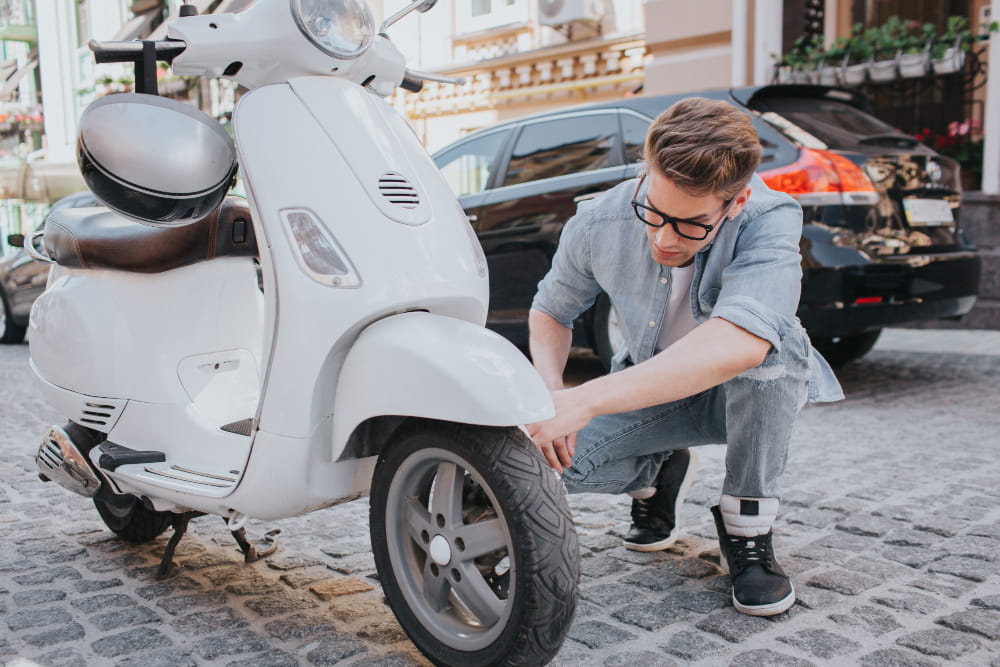
Scooters have become one of the most popular transportation options for daily commuting due to their convenience and affordability. However, the overall ownership experience depends not only on purchase price and fuel efficiency but also on maintenance expenses. A scooter that requires less servicing and fewer repairs can significantly reduce long-term costs and provide a hassle-free riding experience.
What Are Low Maintenance Scooters?
Low maintenance scooters are vehicles designed to deliver reliable performance with minimal upkeep. They are built using durable components, efficient engines, and simplified mechanical systems that reduce the chances of frequent breakdowns. These scooters generally require fewer repairs and lower servicing costs, making them suitable for everyday use.
Why Maintenance Cost Matters
Maintenance cost is an important factor because it directly affects the total cost of owning a scooter. Frequent repairs, replacement of worn-out parts, and repeated service visits can increase expenses over time. Lower maintenance requirements help owners save money and ensure that the scooter remains dependable for daily transportation needs.
Factors That Affect Scooter Maintenance
Several factors influence the maintenance requirements of a scooter. The quality of engine components, riding habits, road conditions, and servicing practices all play a major role. Poor maintenance routines, aggressive riding, and delayed repairs can increase wear and tear, leading to higher expenses and reduced vehicle lifespan.
Benefits of Low Maintenance Scooters
One of the biggest advantages of low maintenance scooters is cost efficiency. They reduce repair expenses and minimize unexpected breakdowns, offering greater reliability for daily commuters. These scooters also save time by requiring fewer visits to service centers and often maintain their performance for a longer period, contributing to better resale value.
Common Maintenance Issues in Scooters
Even low maintenance scooters can face certain issues over time. Common problems include battery deterioration, tyre wear, brake component damage, reduced engine efficiency, and belt or transmission wear. Regular inspections and timely servicing can help identify these issues before they become major and expensive repairs.
Tips to Reduce Maintenance Expenses
Proper maintenance practices can significantly lower ownership costs. Following the recommended service schedule, changing engine oil on time, maintaining correct tyre pressure, keeping the scooter clean, and checking brakes and battery health regularly can improve durability and performance. Responsible riding habits also help reduce unnecessary stress on vehicle components.
Future Trends in Scooter Maintenance Technology
Advancements in technology are transforming scooter maintenance. Modern scooters are increasingly incorporating diagnostic systems, improved engine efficiency, durable materials, and smart monitoring features that can detect potential issues early. Predictive maintenance technologies and connected vehicle systems are expected to make scooter ownership even more convenient and cost-effective in the future.
Frequently Asked Questions (FAQs)
Are low maintenance scooters completely maintenance-free?
No. Every scooter requires periodic servicing and inspections to maintain optimal performance and safety.
How often should a scooter be serviced?
Service intervals depend on usage and manufacturer recommendations, but regular maintenance is essential to prevent long-term issues.
What increases scooter maintenance costs?
Delayed servicing, poor riding habits, harsh road conditions, and neglecting minor repairs can increase overall maintenance expenses.
Can proper maintenance increase scooter lifespan?
Yes. Timely servicing and preventive care can significantly improve durability, performance, and reliability.
Conclusion
Low maintenance scooters are an ideal choice for riders seeking economical and dependable transportation. Their reduced servicing requirements, lower repair costs, and long-term reliability make them suitable for everyday commuting. By understanding maintenance factors and following proper care practices, owners can maximize performance, extend vehicle lifespan, and enjoy a smooth and cost-effective riding experience.
Share this content:

Post Comment