EV vs Diesel Cars: Which One Is the Better Choice?
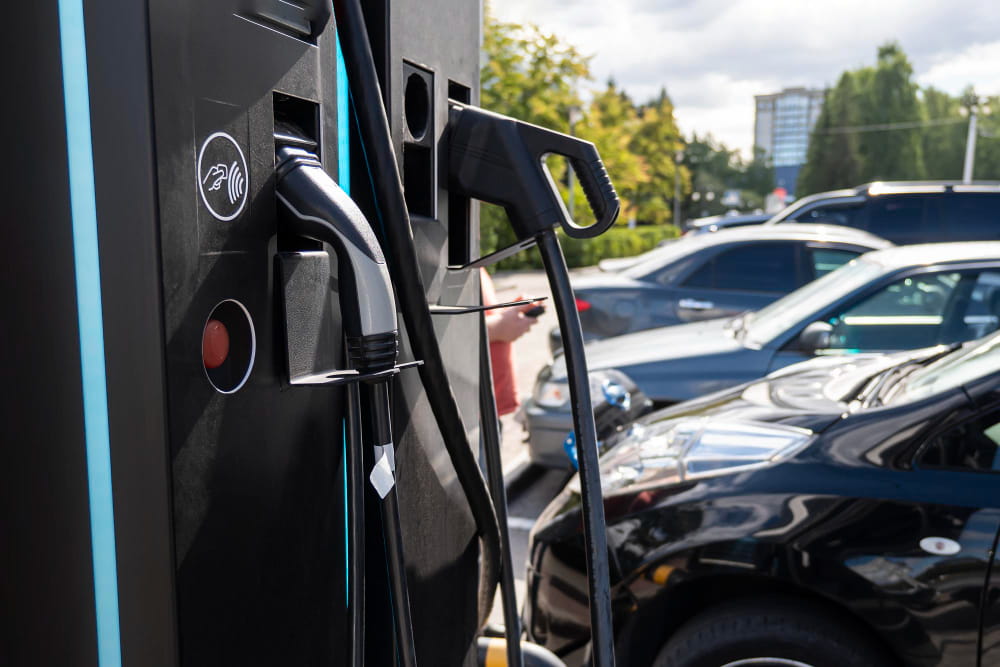
The automotive industry is evolving rapidly, with electric vehicles (EVs) becoming increasingly popular as an alternative to traditional diesel cars. While diesel vehicles have long been known for their fuel efficiency and powerful performance, EVs offer a cleaner, quieter, and more sustainable driving experience.
If you’re planning to buy a new car, understanding the differences between EVs and diesel cars can help you make an informed decision. Let’s compare them across the most important factors.
Running Cost
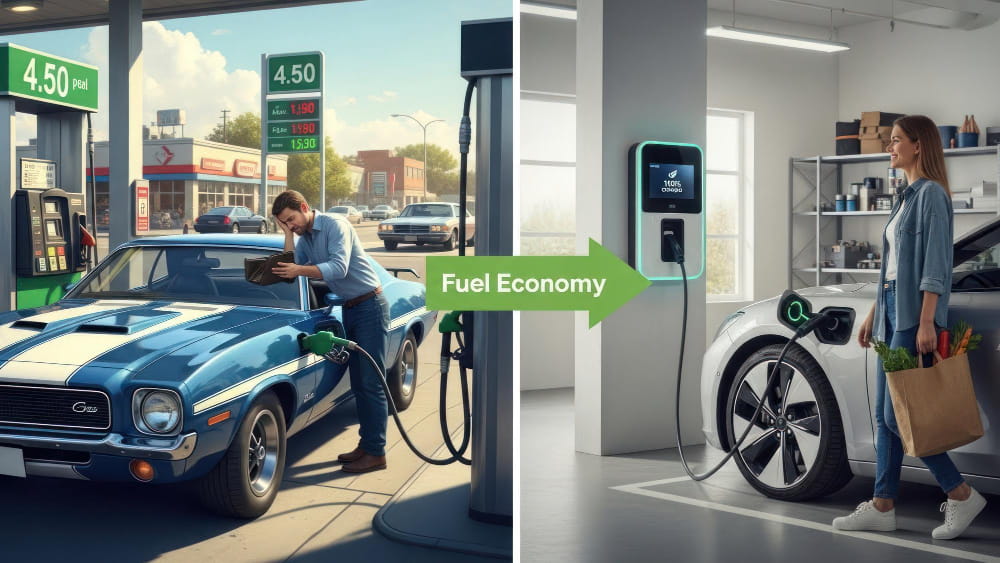
One of the biggest advantages of electric vehicles is their lower operating cost.
- EVs: Charging an electric car generally costs much less than filling a diesel tank. Additionally, EVs have fewer moving parts, resulting in lower maintenance expenses.
- Diesel Cars: Diesel fuel prices fluctuate and are generally higher than electricity costs for equivalent travel. Regular servicing, oil changes, and engine maintenance also increase ownership costs.
Environmental Impact
Environmental concerns are driving many buyers toward electric mobility.
- EVs: Produce zero tailpipe emissions, helping reduce air pollution and greenhouse gas emissions.
- Diesel Cars: Emit carbon dioxide (CO₂), nitrogen oxides (NOx), and particulate matter, contributing to air pollution and climate change.
Performance
Performance depends on the type of driving you do.
- EVs: Deliver instant torque, providing quick acceleration and a smooth, silent driving experience.
- Diesel Cars: Offer excellent torque for highway cruising, towing, and carrying heavy loads.
Maintenance
Maintenance costs play a significant role in long-term ownership.
- EVs: Require minimal maintenance since there are no engine oil changes, fewer fluids, and fewer mechanical components.
- Diesel Cars: Need regular servicing, including oil changes, filter replacements, clutch maintenance, and emission system servicing.
Driving Range
Range remains a major consideration for many buyers.
- EVs: Most modern electric vehicles offer between 250–600 km on a full charge, depending on the model.
- Diesel Cars: Can often travel 700–1,000 km on a single tank and can be refueled within minutes.
Refueling vs Charging
Convenience differs significantly between the two.
- EVs: Charging at home is convenient, but public charging infrastructure may still be limited in some regions. Fast chargers reduce charging time but are not yet universally available.
- Diesel Cars: Refueling takes only a few minutes, and fuel stations are widely available.
Initial Purchase Price
The upfront investment varies.
- EVs: Generally have a higher purchase price due to battery technology, although government incentives and lower operating costs can offset this over time.
- Diesel Cars: Usually have a lower initial purchase cost compared to similarly equipped EVs.
Long-Term Ownership
When evaluating the total cost of ownership over several years:
- EV owners benefit from lower fuel and maintenance costs.
- Diesel owners may face increasing fuel expenses and stricter emission regulations in many regions.
For drivers covering moderate daily distances, EVs often become more economical in the long run.
EV vs Diesel Cars: Quick Comparison
| Feature | EV | Diesel Car |
|---|---|---|
| Running Cost | Low | Moderate to High |
| Fuel Efficiency | Very High | High |
| Maintenance | Low | Higher |
| Emissions | Zero Tailpipe Emissions | High |
| Noise | Very Quiet | Louder |
| Acceleration | Instant | Strong Torque |
| Driving Range | Moderate | Excellent |
| Refueling Time | 30 minutes to several hours | 5–10 minutes |
| Purchase Price | Higher | Lower |
| Best For | Daily commuting, city driving | Long-distance travel, heavy-duty usage |
Which Should You Choose?
Choose an electric vehicle if you:
- Primarily drive within the city.
- Want lower running and maintenance costs.
- Have access to home or workplace charging.
- Prioritize sustainability and a quieter driving experience.
Choose a diesel car if you:
- Frequently travel long distances.
- Need higher towing or load-carrying capability.
- Drive in areas with limited charging infrastructure.
- Prefer quick refueling and extended driving range.
Final Thoughts
Both EVs and diesel cars have their strengths, and the right choice depends on your driving habits, budget, and priorities. Electric vehicles are becoming increasingly attractive due to their lower operating costs, minimal maintenance, and environmental benefits. Meanwhile, diesel cars continue to serve drivers who require long-range capability and rapid refueling.
As charging infrastructure expands and battery technology improves, EVs are expected to become an even more practical option for a wider range of drivers. However, for those who regularly undertake long highway journeys or require heavy-duty performance, diesel vehicles still remain a reliable choice.
Ultimately, evaluating your daily mileage, charging availability, ownership costs, and long-term transportation needs will help you choose the vehicle that best fits your lifestyle.
Share this content:

Post Comment