Battery Recycling in India: Importance, Challenges, Future, and Environmental Impact
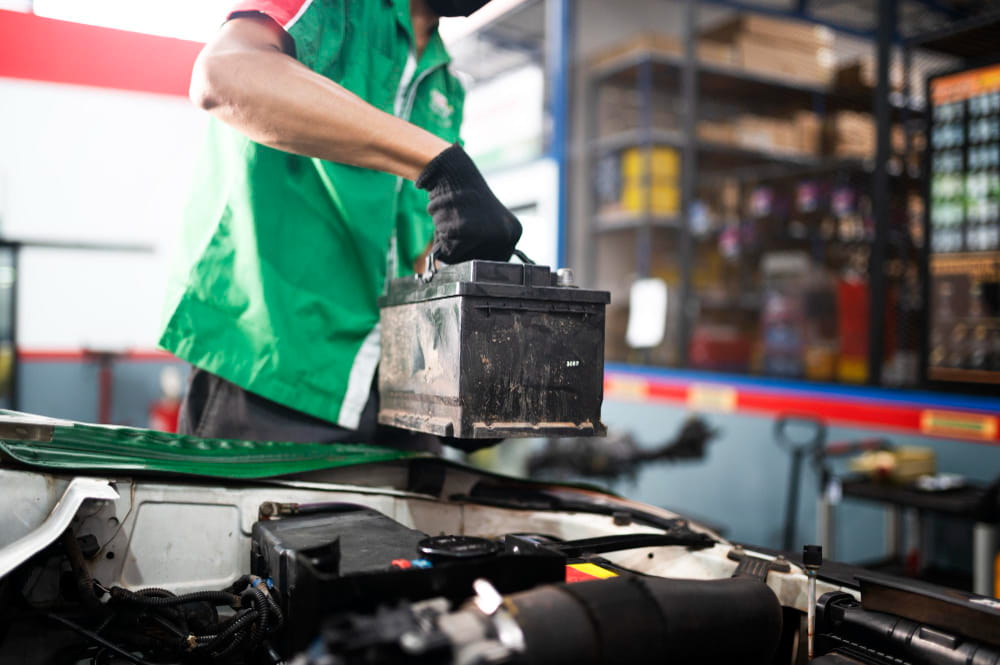
India is witnessing a rapid transition toward clean energy and electric mobility. The growing adoption of electric vehicles (EVs), smartphones, laptops, power banks, renewable energy storage systems, and other battery-powered devices has significantly increased battery consumption across the country. While batteries play a vital role in supporting modern technology and sustainable development, they also create a major waste management challenge once they reach the end of their life.
Improper disposal of used batteries can release hazardous chemicals into the environment, contaminate soil and water, and pose serious health risks to humans and wildlife. This is where battery recycling in India becomes essential. Recycling helps recover valuable materials, reduces environmental pollution, conserves natural resources, and supports the country’s vision of a circular economy.
With supportive government policies, increasing investments, and technological innovations, India is steadily building a robust battery recycling ecosystem that will become increasingly important as electric vehicle adoption accelerates over the coming decade.
What Is Battery Recycling?
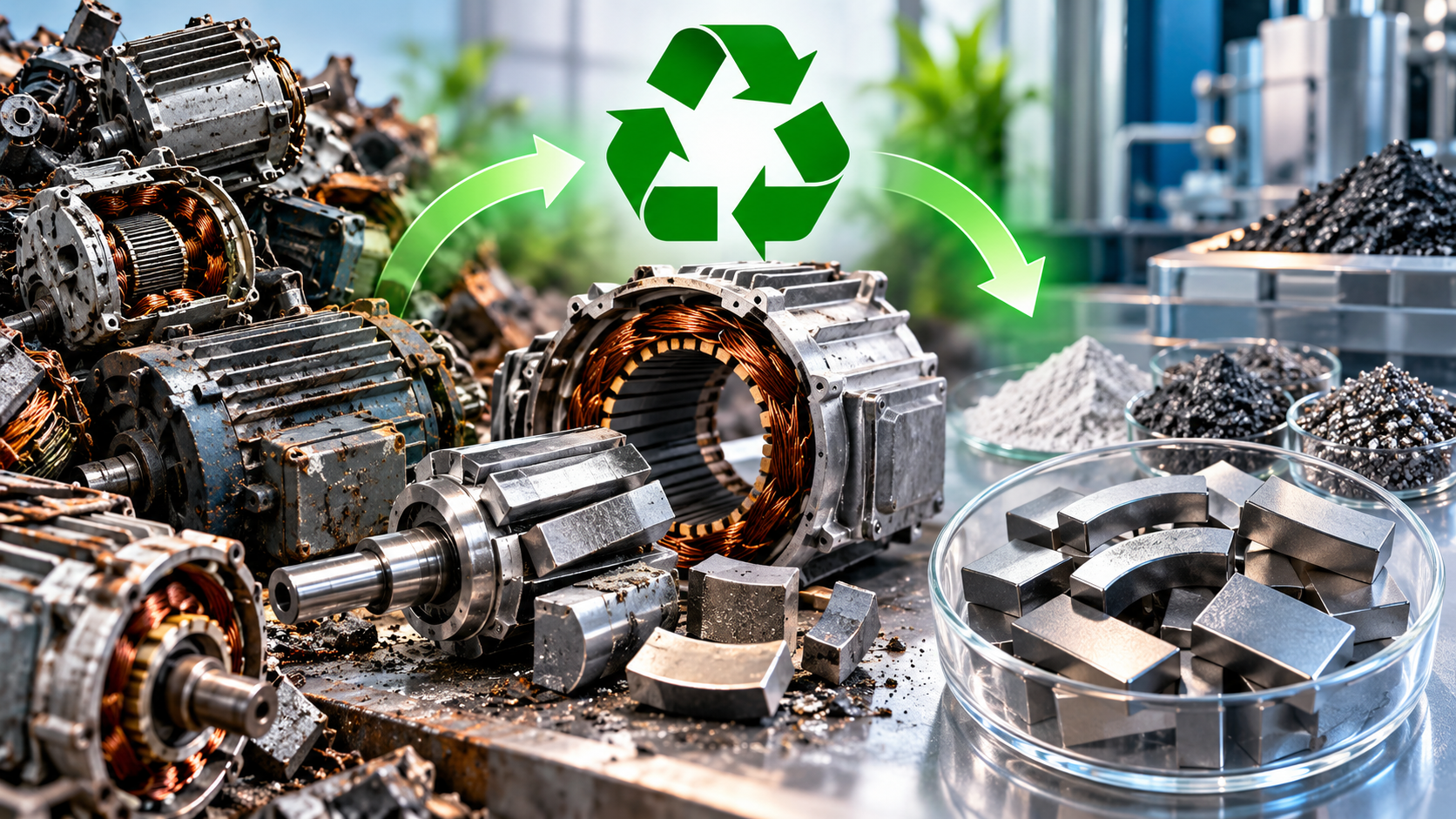
Battery recycling is the process of collecting, sorting, dismantling, and processing used batteries to recover valuable materials that can be reused in manufacturing new batteries and other industrial products.
Depending on the battery type, recyclers recover materials such as:
- Lithium
- Cobalt
- Nickel
- Manganese
- Lead
- Copper
- Aluminum
- Graphite
These recovered materials are refined and supplied back to battery manufacturers, reducing dependence on newly mined raw materials.
Battery recycling applies to various battery categories, including:
- Lithium-ion batteries
- Lead-acid batteries
- Nickel-metal hydride batteries
- Nickel-cadmium batteries
- Consumer batteries used in electronics
- EV batteries
- Industrial and energy storage batteries
The recycling process ensures hazardous materials are handled safely while maximizing resource recovery.
Why Is Battery Recycling Important in India?
India is one of the world’s fastest-growing markets for electric vehicles and rechargeable batteries. Millions of batteries reach the end of their useful life every year, making responsible recycling increasingly important.
Supports India’s EV Growth
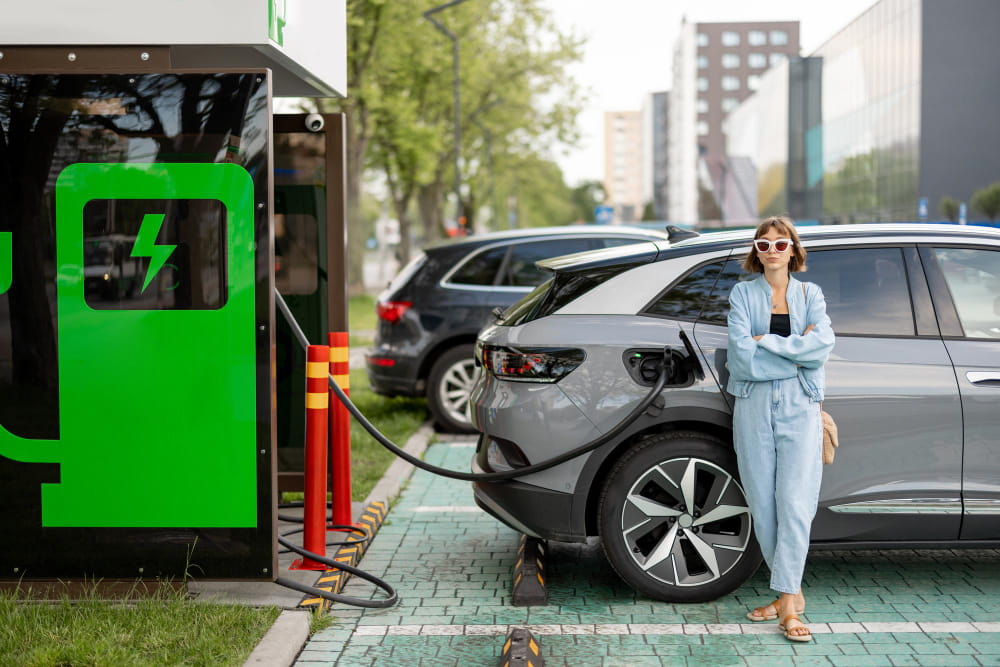
Electric vehicles rely heavily on lithium-ion batteries. As EV sales continue to rise, battery waste will also increase significantly. Recycling helps manage this growing volume responsibly.
Reduces Dependence on Imports
India imports a large percentage of critical battery minerals such as lithium, cobalt, and nickel. Recycling allows these valuable materials to be recovered domestically, improving resource security.
Protects the Environment
Discarded batteries contain toxic chemicals that can contaminate groundwater, rivers, agricultural land, and ecosystems if not disposed of properly.
Conserves Natural Resources
Mining new minerals requires significant land, water, and energy. Recycling reduces the need for new mining activities and conserves finite natural resources.
Promotes Circular Economy
Battery recycling transforms waste into valuable resources, allowing materials to remain in productive use instead of ending up in landfills.
Current State of Battery Recycling in India
Battery recycling in India has evolved rapidly over the past few years. Traditionally, the country focused mainly on recycling lead-acid batteries, where recovery rates have been relatively high. However, the increasing use of lithium-ion batteries in electric vehicles and consumer electronics has created demand for modern recycling infrastructure.
Today, several specialized recycling companies are investing in advanced technologies capable of recovering high-value materials from lithium-ion batteries. Automated dismantling systems, hydrometallurgical processes, and environmentally responsible recycling methods are gradually replacing older practices.
Despite this progress, a large percentage of used batteries still enters the informal recycling sector. Informal handling often lacks proper safety measures and environmental controls, leading to pollution and inefficient material recovery.
The implementation of stricter regulations and extended producer responsibility (EPR) is encouraging manufacturers, importers, recyclers, and consumers to participate in organized battery collection and recycling systems.
Benefits of Battery Recycling
Conserves Valuable Raw Materials
Battery recycling recovers expensive minerals that can be reused in manufacturing new batteries, reducing pressure on global mining operations.
Reduces Environmental Pollution
Proper recycling prevents hazardous substances from leaking into soil, rivers, and groundwater.
Saves Energy
Producing battery materials from recycled sources generally consumes less energy than extracting and refining virgin minerals.
Supports Sustainable Manufacturing
Manufacturers can incorporate recycled materials into battery production, reducing environmental impact and improving supply chain sustainability.
Creates Employment Opportunities
The expanding recycling industry generates jobs in collection, transportation, processing, engineering, research, and manufacturing.
Strengthens India’s Resource Security
Domestic recovery of critical minerals helps reduce dependence on imported raw materials and improves long-term supply resilience.
Encourages Responsible Waste Management
An organized recycling ecosystem promotes safe disposal practices and increases public awareness about environmental responsibility.
Challenges in Battery Recycling in India
Although the sector is growing, several challenges remain.
Limited Collection Infrastructure
Many consumers are unaware of authorized battery collection points, resulting in improper disposal.
Informal Recycling Practices
A considerable share of battery waste is processed by informal recyclers who often use unsafe techniques that harm both workers and the environment.
High Recycling Costs
Advanced recycling facilities require significant investment in technology, equipment, and skilled labor.
Rapidly Changing Battery Technologies
New battery chemistries require continuous research and upgrades to recycling processes.
Low Public Awareness
Many individuals still dispose of used batteries with regular household waste without understanding the environmental consequences.
Logistics Challenges
Collecting and transporting used batteries from different parts of the country can be expensive and complex, particularly for damaged lithium-ion batteries that require special handling.
Government Initiatives and Regulations
The Government of India has introduced several measures to strengthen battery waste management and encourage responsible recycling.
Battery Waste Management Rules
The Battery Waste Management Rules establish responsibilities for manufacturers, importers, recyclers, and consumers regarding battery collection, recycling, and environmentally sound disposal.
Extended Producer Responsibility (EPR)
Under EPR, battery producers are responsible for collecting and recycling batteries after they reach the end of their life cycle. This encourages companies to develop efficient collection networks and partner with authorized recyclers.
Promotion of Circular Economy
Government policies increasingly emphasize resource efficiency, material recovery, and sustainable manufacturing practices.
Support for Electric Mobility
As India promotes electric vehicles through various initiatives, battery recycling has become an essential component of the country’s clean transportation strategy.
Investment in Recycling Infrastructure
Government support and private investments are helping establish modern recycling facilities capable of processing large volumes of lithium-ion batteries.
Technological Advancements in Battery Recycling
Technology is transforming battery recycling by improving recovery rates, reducing environmental impact, and increasing operational efficiency.
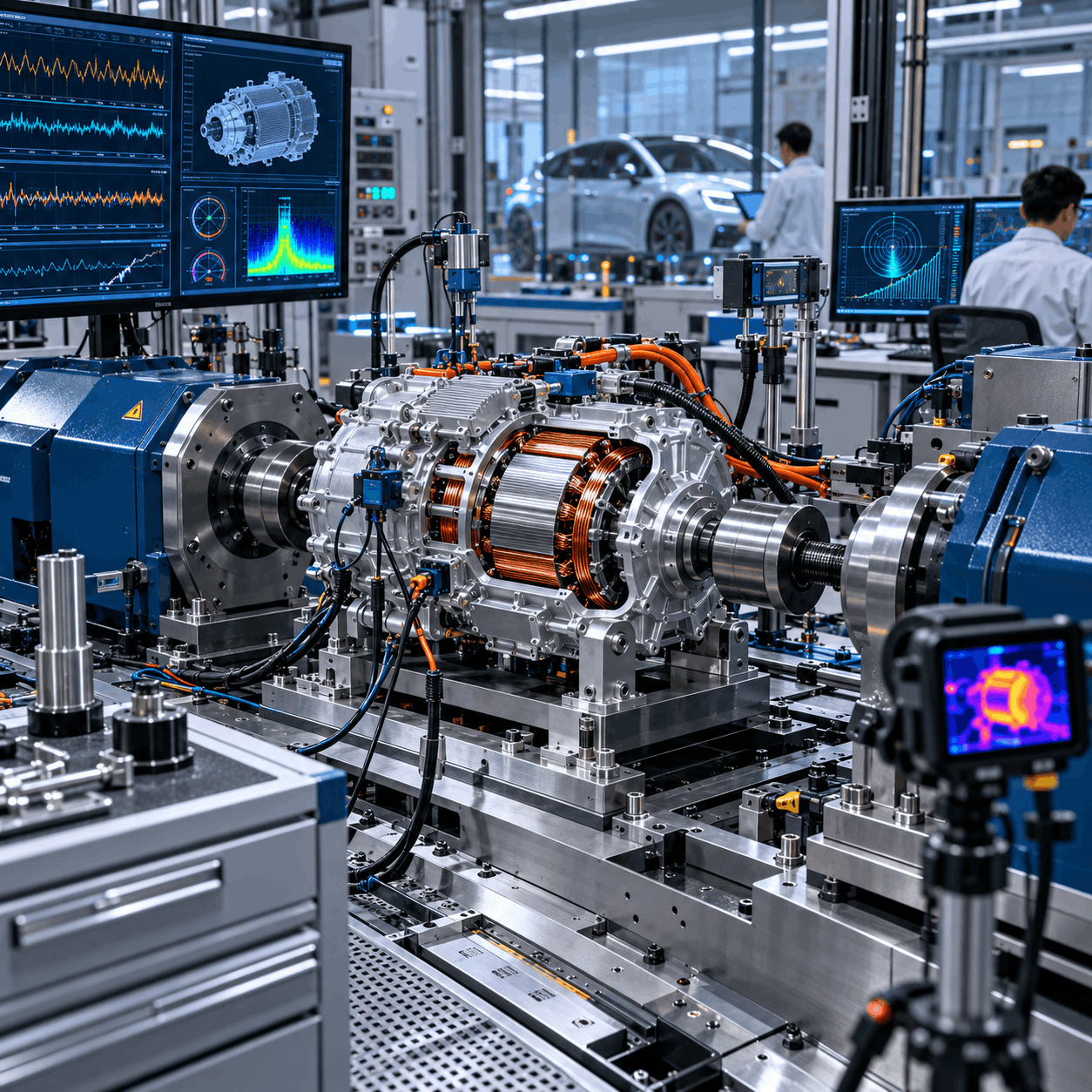
Modern recycling facilities now use automated sorting systems, robotic dismantling, advanced shredding equipment, and intelligent material separation technologies.
Hydrometallurgical recycling methods have gained popularity because they efficiently recover valuable metals while generating less pollution compared to traditional techniques.
Artificial intelligence and digital tracking systems are also improving battery identification, collection, and recycling management. Digital battery passports are expected to enhance traceability throughout the battery lifecycle.
Researchers continue developing recycling techniques capable of recovering nearly all valuable battery materials while minimizing waste generation.
Future of Battery Recycling in India
The future of battery recycling in India looks highly promising as electric vehicle adoption, renewable energy storage, and consumer electronics continue expanding.
Over the next decade, millions of EV batteries will reach the end of their operational life, creating a substantial opportunity for the recycling industry. Instead of viewing these batteries as waste, they will increasingly be recognized as valuable sources of critical minerals.
The industry is expected to witness:
- Expansion of organized collection networks
- Growth in advanced lithium-ion recycling facilities
- Greater private investment
- Improved recovery efficiency
- Increased use of recycled battery materials
- Stronger compliance with recycling regulations
- Development of second-life battery applications for energy storage
Battery recycling will become an integral part of India’s sustainable manufacturing ecosystem and support the nation’s transition toward cleaner energy.
Environmental Impact of Battery Recycling
Effective battery recycling offers significant environmental benefits.
By recovering reusable materials, recycling reduces the need for mining activities, helping preserve natural landscapes and biodiversity. It also lowers greenhouse gas emissions associated with extracting and processing virgin raw materials.
Proper recycling prevents hazardous chemicals such as heavy metals and electrolytes from contaminating soil, water bodies, and agricultural land. This protects ecosystems and reduces risks to human health.
Additionally, recycling decreases the amount of waste sent to landfills, conserves valuable resources, and supports long-term environmental sustainability.
As battery usage continues to grow, responsible recycling will play an increasingly important role in reducing India’s environmental footprint.
Frequently Asked Questions (FAQs)
What is battery recycling?
Battery recycling is the process of collecting and processing used batteries to recover valuable materials such as lithium, cobalt, nickel, copper, aluminum, and lead for reuse in manufacturing.
Why is battery recycling important in India?
Battery recycling reduces pollution, conserves natural resources, minimizes dependence on imported minerals, supports electric vehicle growth, and promotes sustainable waste management.
Which batteries can be recycled?
Most battery types can be recycled, including lithium-ion batteries, lead-acid batteries, nickel-metal hydride batteries, nickel-cadmium batteries, consumer batteries, industrial batteries, and electric vehicle batteries.
Are EV batteries recyclable?
Yes. Electric vehicle batteries are highly recyclable, and many valuable materials can be recovered for manufacturing new batteries and other industrial applications.
What are the biggest challenges facing battery recycling in India?
Key challenges include limited collection infrastructure, informal recycling practices, low public awareness, high processing costs, and rapidly evolving battery technologies.
How does battery recycling benefit the environment?
It reduces landfill waste, prevents toxic pollution, conserves natural resources, lowers greenhouse gas emissions, and supports a circular economy.
Conclusion
Battery recycling is becoming a critical pillar of India’s clean energy and sustainable development journey. As the country accelerates electric vehicle adoption and battery-powered technologies become more widespread, responsible recycling will be essential for managing battery waste, recovering valuable resources, and minimizing environmental damage.
Although challenges such as inadequate collection systems, informal recycling, and technological complexity remain, strong government regulations, growing private investment, and continuous innovation are driving significant progress. By promoting organized recycling practices and increasing public awareness, battery recycling in India can strengthen resource security, reduce dependence on imported minerals, create green jobs, and support a circular economy.
In the coming years, battery recycling will not only help address environmental concerns but also play a vital role in ensuring India’s transition toward a cleaner, more sustainable, and resource-efficient future.
Share this content:
Post Comment