Future of Electric Vehicles: Opportunities, Challenges, and Trends

The future of electric vehicles (EVs) is transforming the global automotive industry at an unprecedented pace. Rising fuel prices, stricter emission regulations, rapid battery innovations, and increasing environmental awareness are encouraging consumers and governments to embrace electric mobility. In India and around the world, electric vehicles are no longer considered just an alternative to petrol and diesel vehicles—they are becoming the future of transportation.
With major automobile manufacturers introducing new electric cars, electric SUVs, electric scooters, and commercial EVs every year, the industry is witnessing remarkable growth. Improvements in charging infrastructure, battery technology, and government incentives are making EV ownership more practical and affordable than ever before.
This article explores what electric vehicles are, why they are becoming increasingly popular, the benefits and challenges they present, the latest technological advancements, future trends, environmental impact, and what consumers can expect in the coming years.
What Are Electric Vehicles?
Electric vehicles are automobiles powered entirely or partially by electricity instead of conventional fossil fuels. Unlike traditional internal combustion engine (ICE) vehicles that burn petrol or diesel, EVs use electric motors and rechargeable battery packs to generate power.
Electric vehicles are available in several categories depending on how they generate and use electricity.
Battery Electric Vehicles (BEVs)
Battery Electric Vehicles operate solely on electricity stored in large battery packs. They produce zero tailpipe emissions and require charging through home chargers or public charging stations.
Plug-in Hybrid Electric Vehicles (PHEVs)
These vehicles combine an electric motor with a conventional petrol or diesel engine. Drivers can charge the battery externally while also relying on fuel when necessary.
Hybrid Electric Vehicles (HEVs)
Hybrid vehicles use both an internal combustion engine and an electric motor. Unlike plug-in hybrids, they recharge their batteries through regenerative braking and the engine itself.
Fuel Cell Electric Vehicles (FCEVs)
Fuel Cell Electric Vehicles generate electricity using hydrogen fuel cells, producing only water vapor as emissions. Although promising, hydrogen infrastructure is still limited in many countries.
Why Are Electric Vehicles Gaining Popularity?
Electric vehicles are becoming increasingly popular due to a combination of economic, environmental, and technological factors.
One of the biggest reasons is the continuous rise in petrol and diesel prices. EV owners enjoy significantly lower running costs because electricity is generally more affordable than conventional fuels.
Governments across the world are actively supporting EV adoption through purchase subsidies, tax benefits, reduced registration charges, and investments in charging infrastructure. These incentives help reduce the initial ownership cost.
Consumers are also becoming more environmentally conscious. The desire to reduce carbon emissions and contribute to cleaner air is encouraging more people to choose electric mobility.
Battery technology has improved considerably over the past decade. Modern EVs now offer longer driving ranges, faster charging capabilities, and better reliability, addressing many concerns that early adopters faced.
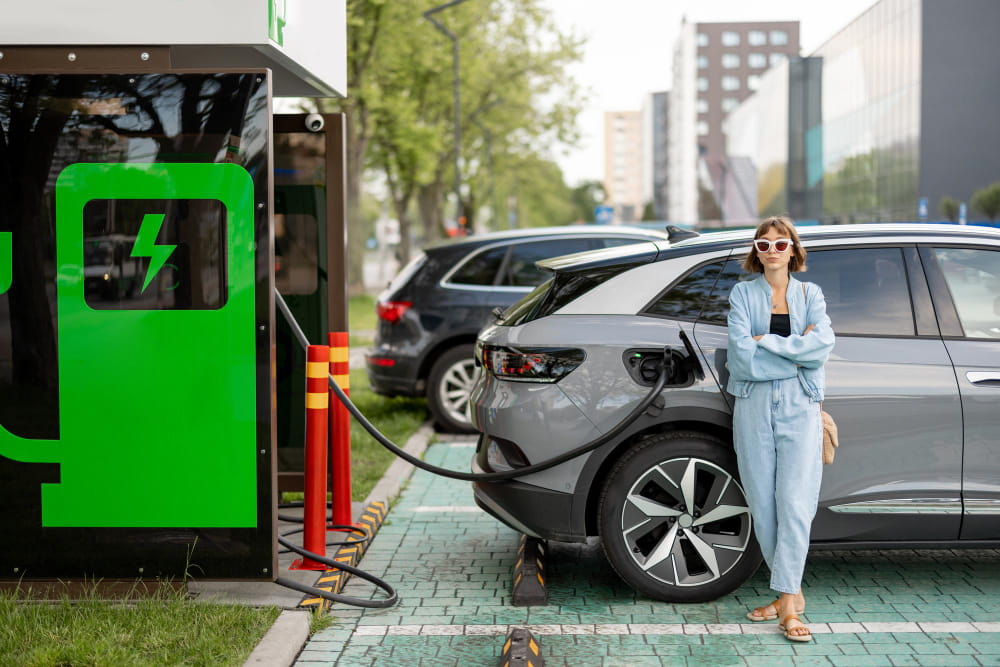
The growing availability of charging stations in cities, highways, shopping malls, office complexes, and residential communities has also made EV ownership much more convenient.
Benefits of Electric Vehicles
Electric vehicles offer numerous advantages for individual consumers, businesses, and the environment.
Lower Running Costs
Electricity costs considerably less than petrol or diesel for covering the same distance. As a result, daily commuting becomes much more economical.
Reduced Maintenance
EVs have fewer moving parts than conventional vehicles. Since they do not require engine oil changes, clutch replacements, or complex transmission maintenance, servicing costs are generally lower.
Zero Tailpipe Emissions
Battery electric vehicles produce no exhaust emissions while driving, helping reduce urban air pollution and greenhouse gas emissions.
Quiet Driving Experience
Electric motors operate almost silently, resulting in a smoother and quieter driving experience.
Instant Torque
Electric motors deliver maximum torque instantly, providing quick acceleration and responsive performance.
Government Incentives
Many countries offer financial incentives that reduce the overall cost of purchasing electric vehicles.
Energy Independence
Electric mobility helps reduce dependence on imported fossil fuels and supports greater energy security.
Challenges of Electric Vehicles
Despite their growing popularity, electric vehicles still face several challenges.
Higher Initial Purchase Price
Although ownership costs are lower over time, EVs generally have higher upfront prices compared to conventional vehicles due to battery costs.
Charging Infrastructure
Charging networks continue to expand, but availability remains uneven in rural and remote regions.
Charging Time
Refueling a petrol vehicle takes only a few minutes, whereas charging an EV may require anywhere from 20 minutes to several hours depending on the charger type.
Range Anxiety
Some buyers worry about running out of battery before reaching a charging station, although modern EVs now offer significantly improved driving ranges.
Battery Replacement Cost
Replacing an EV battery can be expensive after many years of use, although battery warranties continue to improve.
Raw Material Supply
Growing demand for lithium, cobalt, nickel, and rare earth materials presents supply chain and sustainability challenges.
Technological Advancements in Electric Vehicles
Innovation is driving rapid improvements in electric vehicle performance and usability.
Advanced Battery Technology
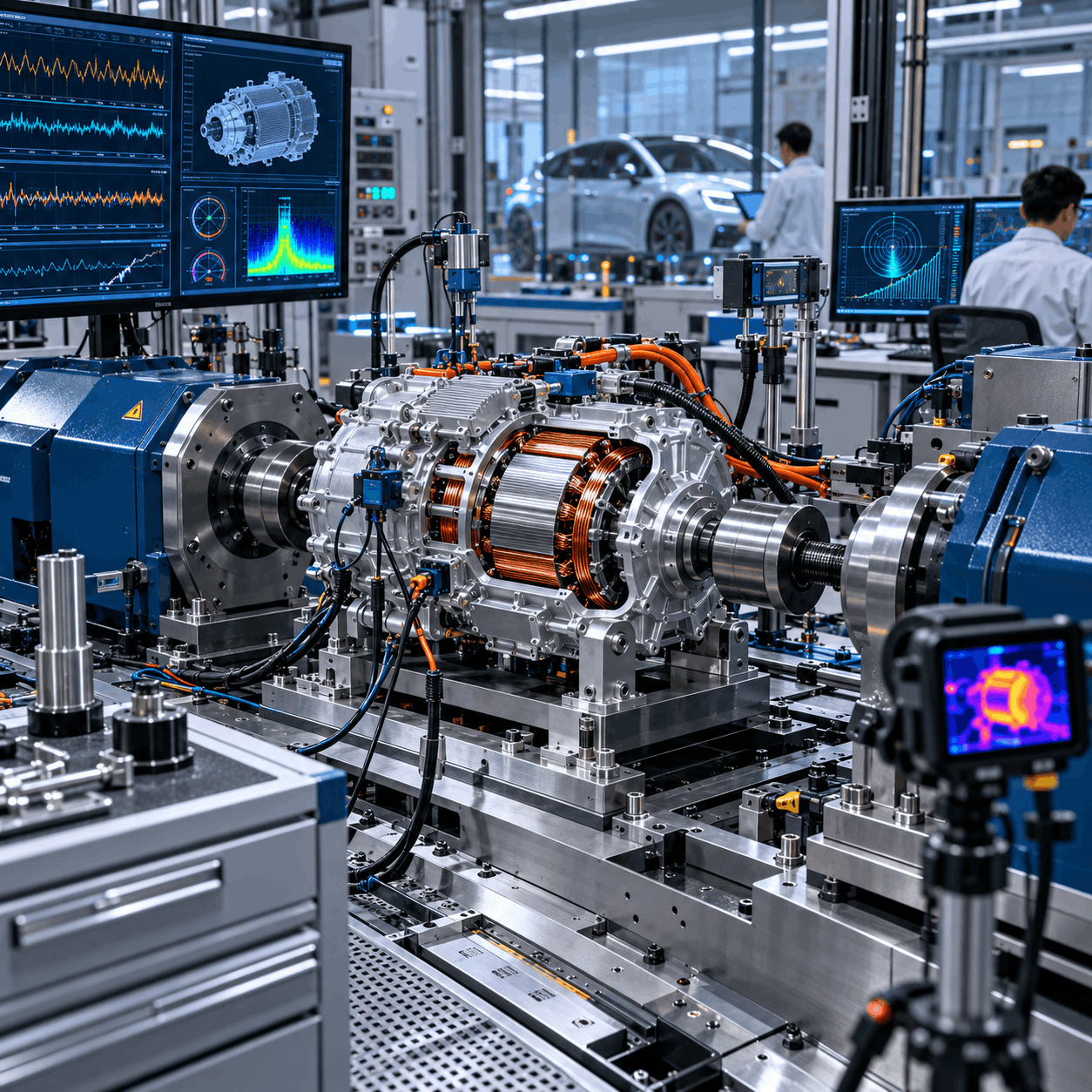
Manufacturers are developing batteries with higher energy density, longer lifespan, improved safety, and faster charging capabilities.
Ultra-Fast Charging
New charging technologies are reducing charging times dramatically, making long-distance travel increasingly practical.
Regenerative Braking
Modern EVs recover energy during braking and convert it back into stored electricity, improving overall efficiency.
Smart Battery Management Systems
Advanced software continuously monitors battery health, temperature, and charging performance to maximize efficiency and longevity.
Vehicle-to-Grid (V2G) Technology
Future EVs may not only consume electricity but also supply excess energy back to the power grid during peak demand periods.
Connected Vehicles
Artificial intelligence, cloud connectivity, smartphone integration, and over-the-air software updates are becoming standard features in modern electric vehicles.
Autonomous Driving Integration
Many manufacturers are integrating advanced driver assistance systems and autonomous driving technologies into next-generation EVs.
Future Trends in Electric Vehicles
The future of electric vehicles looks extremely promising, with several major trends expected to shape the industry.
Longer Driving Range
Future EVs are expected to travel significantly farther on a single charge due to continuous battery improvements.
Affordable Electric Cars
Increasing production volumes and declining battery costs are likely to make EVs more affordable for mainstream buyers.
Expansion of Charging Infrastructure
Governments and private companies continue investing in extensive charging networks across highways, cities, workplaces, and residential communities.
Solid-State Batteries
Solid-state battery technology has the potential to deliver higher energy density, faster charging, improved safety, and longer battery life.
Increased Renewable Energy Integration
Charging electric vehicles using solar and wind energy will further reduce overall carbon emissions.
Growth of Electric Commercial Vehicles
Electric buses, delivery vans, trucks, and logistics fleets are expected to expand rapidly as businesses pursue sustainable transportation.
Smart Mobility Ecosystems
Future transportation will increasingly combine electric vehicles, ride-sharing, connected infrastructure, artificial intelligence, and autonomous driving into integrated mobility systems.
Battery Recycling
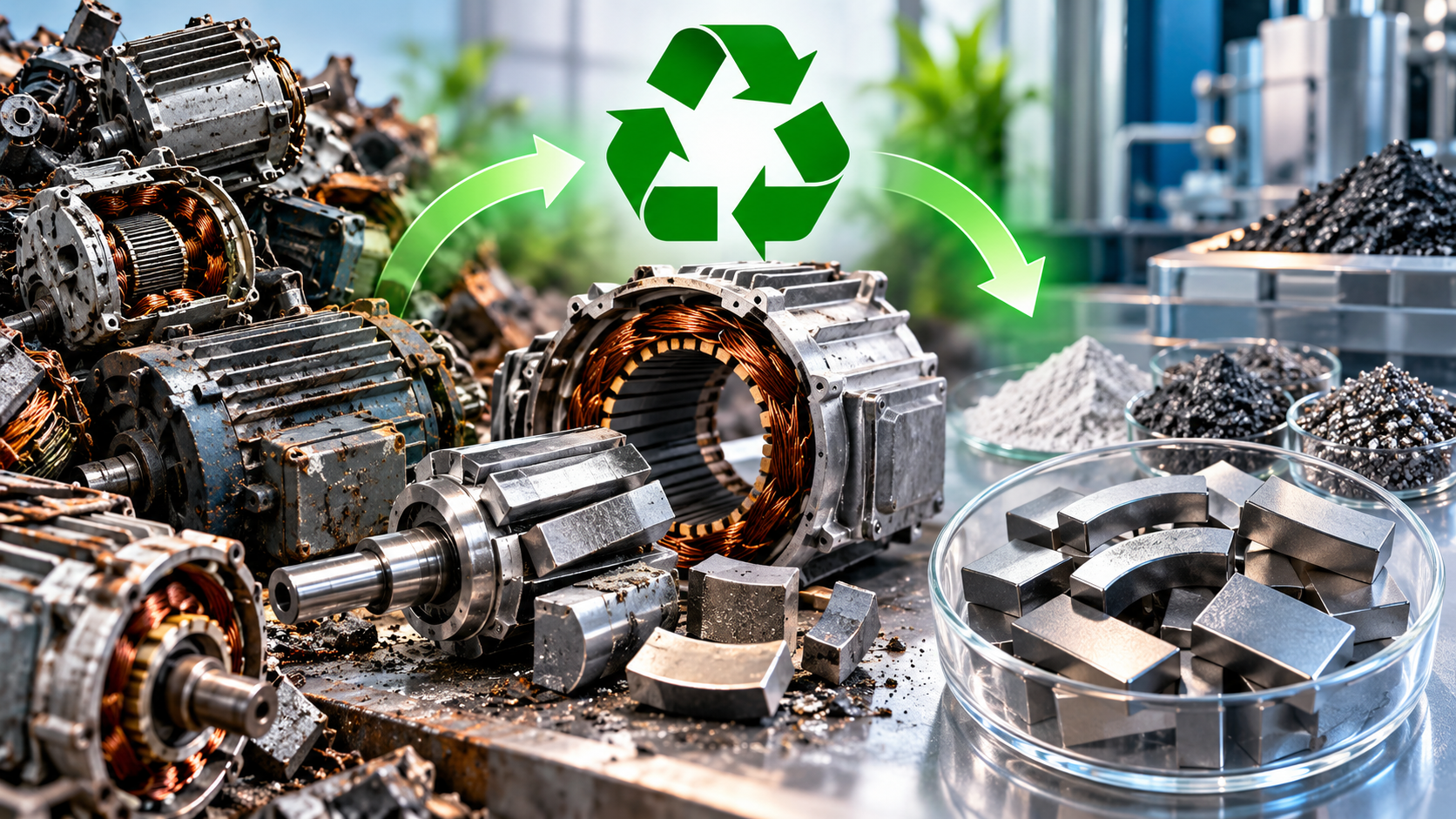
Recycling technologies will become increasingly important for recovering valuable battery materials and reducing environmental impact.
Environmental Impact of Electric Vehicles
Electric vehicles play an important role in reducing environmental pollution and supporting global climate goals.
Since EVs produce no tailpipe emissions, they significantly improve urban air quality by reducing harmful pollutants such as nitrogen oxides and particulate matter.
When powered by renewable electricity, EVs generate substantially lower lifetime carbon emissions than conventional vehicles. Even in regions where electricity comes partly from fossil fuels, many studies show that EVs generally produce fewer greenhouse gas emissions over their entire lifecycle.
Electric vehicles also reduce noise pollution because electric motors operate much more quietly than traditional engines.
However, battery manufacturing requires mining critical minerals, which can have environmental impacts if not managed responsibly. Sustainable mining practices, improved battery recycling, and cleaner manufacturing processes will become increasingly important as EV adoption grows worldwide.
Frequently Asked Questions (FAQs)
Are electric vehicles cheaper to maintain?
Yes. Electric vehicles generally require less maintenance because they have fewer moving mechanical components and do not require regular engine oil changes.
How long do EV batteries last?
Most modern EV batteries are designed to last between 8 and 15 years, depending on usage, charging habits, and climate conditions.
Can electric vehicles be charged at home?
Yes. Most EV owners charge their vehicles at home using dedicated AC chargers or compatible household electrical connections.
Are electric vehicles suitable for long-distance travel?
Yes. Modern EVs offer longer driving ranges, and the expansion of fast-charging networks is making long-distance travel increasingly convenient.
Will electric vehicles replace petrol and diesel cars?
Electric vehicles are expected to capture a significant share of the global automotive market, although petrol, diesel, hybrid, and hydrogen vehicles may continue to coexist for some time depending on infrastructure and regional needs.
Are electric vehicles environmentally friendly?
Electric vehicles generally produce lower lifetime greenhouse gas emissions than conventional vehicles, particularly when powered by renewable energy. Their overall environmental impact continues to improve as battery technology and recycling processes advance.
Conclusion
The future of electric vehicles is being shaped by rapid technological innovation, supportive government policies, growing consumer awareness, and increasing investments in sustainable transportation. While challenges such as charging infrastructure, battery costs, and raw material supply remain, continuous advancements are steadily addressing these issues.
As batteries become more efficient, charging becomes faster, and electric vehicles become more affordable, EV adoption is expected to accelerate across passenger vehicles, commercial transportation, and public transit. For consumers, businesses, and governments alike, electric mobility represents a cleaner, smarter, and more sustainable future that will redefine transportation over the coming decades.
Share this content:
Post Comment