The World’s Best-Selling New BEVs and PHEVs of 2025
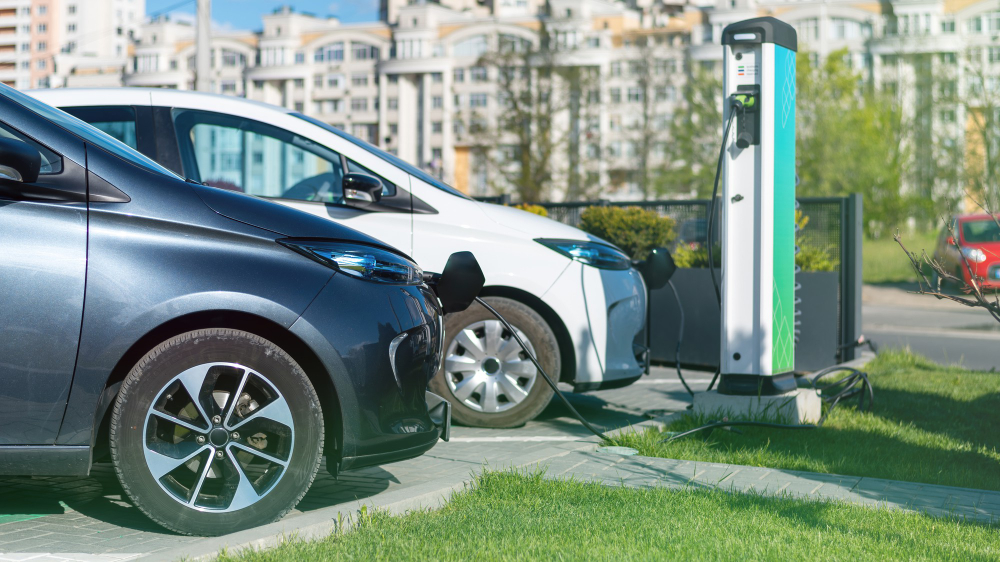
The year 2025 marked a major milestone in the global shift toward electrified mobility. Battery Electric Vehicles (BEVs) and Plug-in Hybrid Electric Vehicles (PHEVs) moved firmly into the mainstream, driven by rising fuel costs, stricter emission norms, and growing consumer confidence in electric technology. Across key markets such as China, Europe, and North America, several models emerged as clear global best-sellers.
Best-Selling Battery Electric Vehicles (BEVs) of 2025
Fully electric vehicles dominated global EV sales in 2025, led by models that combined range, affordability, and strong brand trust.
The Tesla Model Y continued its global success story, maintaining its position as one of the world’s top-selling BEVs. Its SUV body style, long driving range, and strong charging ecosystem made it a preferred choice across multiple regions. Close behind, the Tesla Model 3 remained a popular option for buyers seeking a balance of performance and efficiency at a relatively accessible price point.
Chinese manufacturers also played a decisive role in shaping global BEV sales. BYD recorded massive volumes with multiple electric models, benefiting from strong domestic demand and expanding exports. Compact and affordable BEVs from Chinese brands gained traction globally, reinforcing China’s leadership in electric mobility.
Best-Selling Plug-in Hybrid Electric Vehicles (PHEVs) of 2025
While BEVs led the charge, PHEVs continued to attract buyers who wanted electric driving without full dependence on charging infrastructure. These vehicles proved especially popular in regions where charging networks are still developing.
The BYD Seal U PHEV stood out as one of the strongest performers in the plug-in hybrid segment, particularly in Europe. Its ability to offer significant electric-only range alongside fuel flexibility appealed to a wide customer base. Established automakers also performed well, with models like the Volkswagen Tiguan PHEV and Volvo XC60 PHEV gaining strong traction among family and premium SUV buyers.
What Drove Their Global Success
Several common factors contributed to the success of these BEVs and PHEVs in 2025. Competitive pricing, improved battery range, and better charging support played a crucial role. Consumers also showed growing trust in established brands and proven EV platforms. In emerging markets, government incentives and localization of production further boosted adoption.
Another key trend was choice. Buyers increasingly preferred manufacturers offering multiple electrified options—BEVs for full electric driving and PHEVs for flexibility—allowing them to transition to cleaner mobility at their own pace.
Conclusion
The world’s best-selling BEVs and PHEVs of 2025 reflect a global automotive industry in transition. Models like the Tesla Model Y and the expanding BYD electric lineup highlight the rapid rise of full electric vehicles, while strong PHEV performers confirm that hybrid technology still plays a vital role in the journey toward zero emissions. As infrastructure improves and battery technology advances, electrified vehicles are no longer the future—they are the present, reshaping how the world drives.
Share this content:
Post Comment