Upcoming EV Policy 2025: What to Expect for Manufacturers & Buyers

Focus on Domestic Manufacturing Through SPMEPCI Scheme
The upcoming EV Policy 2025 introduces the Scheme to Promote Manufacturing of Electric Passenger Cars in India (SPMEPCI), aimed at attracting global and domestic manufacturers. The policy offers a reduced import duty of 15% (down from ~110%) on EVs priced above USD 35,000 for companies that invest a minimum of ₹4,150 crore (USD 500 million) within three years. In return, automakers must meet strict localisation targets—25% domestic value addition (DVA) within 3 years and 50% within 5 years—along with revenue milestones and a bank guarantee to ensure compliance. This move is expected to boost local EV production and create a robust manufacturing ecosystem in India.
Stronger Push for Commercial EVs via PM E-DRIVE
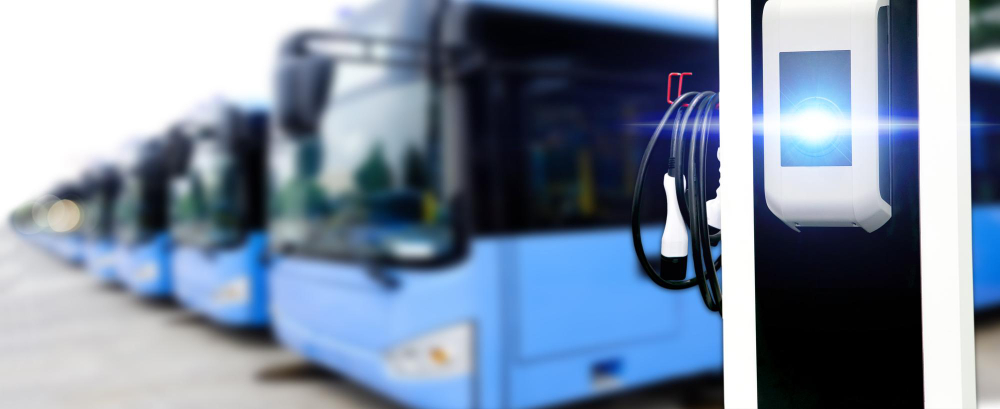
The policy also introduces the PM E-DRIVE scheme to accelerate the adoption of electric commercial vehicles. The scheme offers incentives of up to ₹9.6 lakh per electric truck, targeting logistics, transport fleets, and government agencies. Companies like SAIL have already committed to adopting EV trucks under this initiative. This focused support is expected to significantly reduce operational costs for commercial fleet owners, while cutting emissions from high-usage transport segments.
Buyer Benefits: Lower Taxes, Better Financing & Expanded Charging
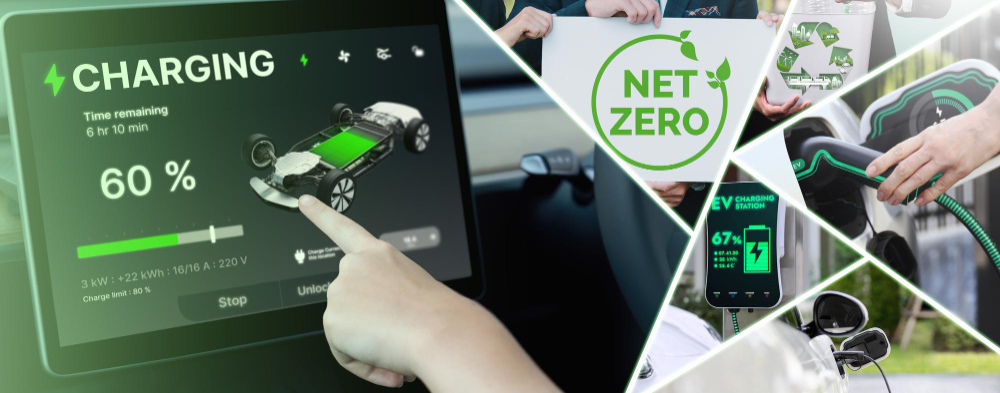
For individual buyers, the policy continues key benefits such as a 5% GST rate on EVs and up to ₹1.5 lakh income tax deduction on interest paid for EV loans under Section 80EEB. The government also plans to strengthen EV financing frameworks and incentivize battery-swapping models. On infrastructure, the policy aims to ensure EV charging stations every 3 km in cities and every 25 km along national highways, in partnership with private developers and power distribution companies (DISCOMs). These measures are designed to make EV ownership more affordable, convenient, and widespread.
Conclusion
India’s Upcoming EV Policy 2025 is a significant leap toward building a self-reliant and globally competitive electric mobility ecosystem. While it opens doors for global players through strategic duty cuts, it equally emphasizes domestic investment, local value addition, and job creation. For both manufacturers and buyers, the policy presents a balanced approach: incentivizing production, easing ownership costs, and expanding support infrastructure. If implemented effectively, it will help India achieve its vision of 30% EV adoption by 2030.
Share this content:

Post Comment