How Global EV Policy Trends Influence Battery Manufacturing in India
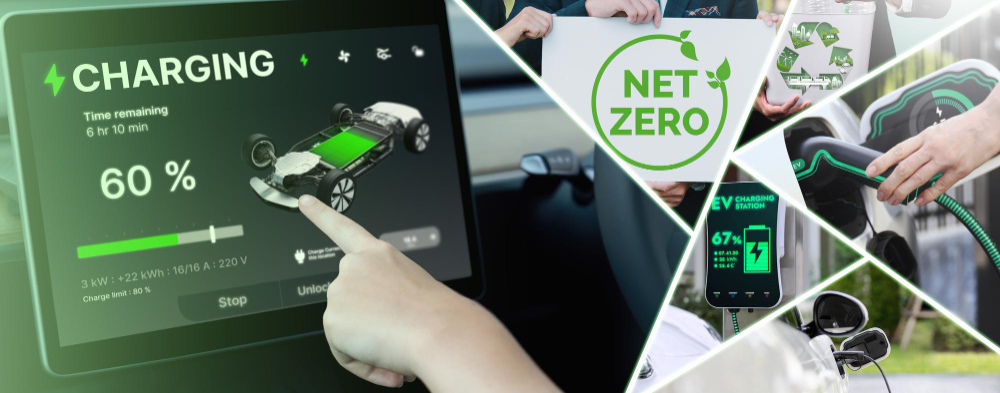
As electric vehicle (EV) adoption accelerates worldwide, global EV policy trends are playing a major role in shaping battery manufacturing strategies in India. From clean energy mandates to localization incentives and sustainability regulations, international policies are driving India to strengthen its battery production ecosystem, innovation capacity, and supply chain resilience to meet growing EV demand.
Global EV Mandates Driving Demand for Local Battery Production
Countries across Europe, North America, and Asia are enforcing EV adoption targets, emission reduction laws, and internal combustion engine phase-out plans. These policies are increasing global demand for lithium-ion batteries and energy storage systems, pushing India to expand domestic battery manufacturing. To stay competitive, India is investing in gigafactories, battery assembly plants, and local sourcing of critical materials.
International Incentives and Technology Transfer Boosting Innovation
Global EV policy frameworks support battery innovation, recycling mandates, and clean energy integration, encouraging technology transfer to emerging markets like India. Partnerships with international firms and governments are helping Indian manufacturers adopt advanced battery chemistry, energy density improvements, solid-state battery research, and sustainable production practices, strengthening India’s position in next-generation battery technology.
Strengthening India’s Supply Chain and Sustainability Goals
Global sustainability policies emphasize ethical sourcing, battery recycling, carbon footprint reduction, and circular economy models. These trends are shaping India’s battery manufacturing strategy by promoting local raw material processing, second-life battery applications, recycling infrastructure, and renewable-powered production facilities. This not only enhances environmental compliance but also reduces dependence on imports and strengthens long-term industry stability.
Conclusion
Global EV policy trends are significantly influencing battery manufacturing in India by driving demand, encouraging innovation, and promoting sustainable production practices. By aligning with international regulations and leveraging global partnerships, India can build a robust battery ecosystem, boost domestic manufacturing, enhance technological leadership, and support the nation’s transition to clean mobility. This alignment positions India as a future-ready leader in the global EV and battery supply chain.
Share this content:

Post Comment