Understanding the Key Components of an Electric Vehicle
Electric Powertrain: The Heart of the EV
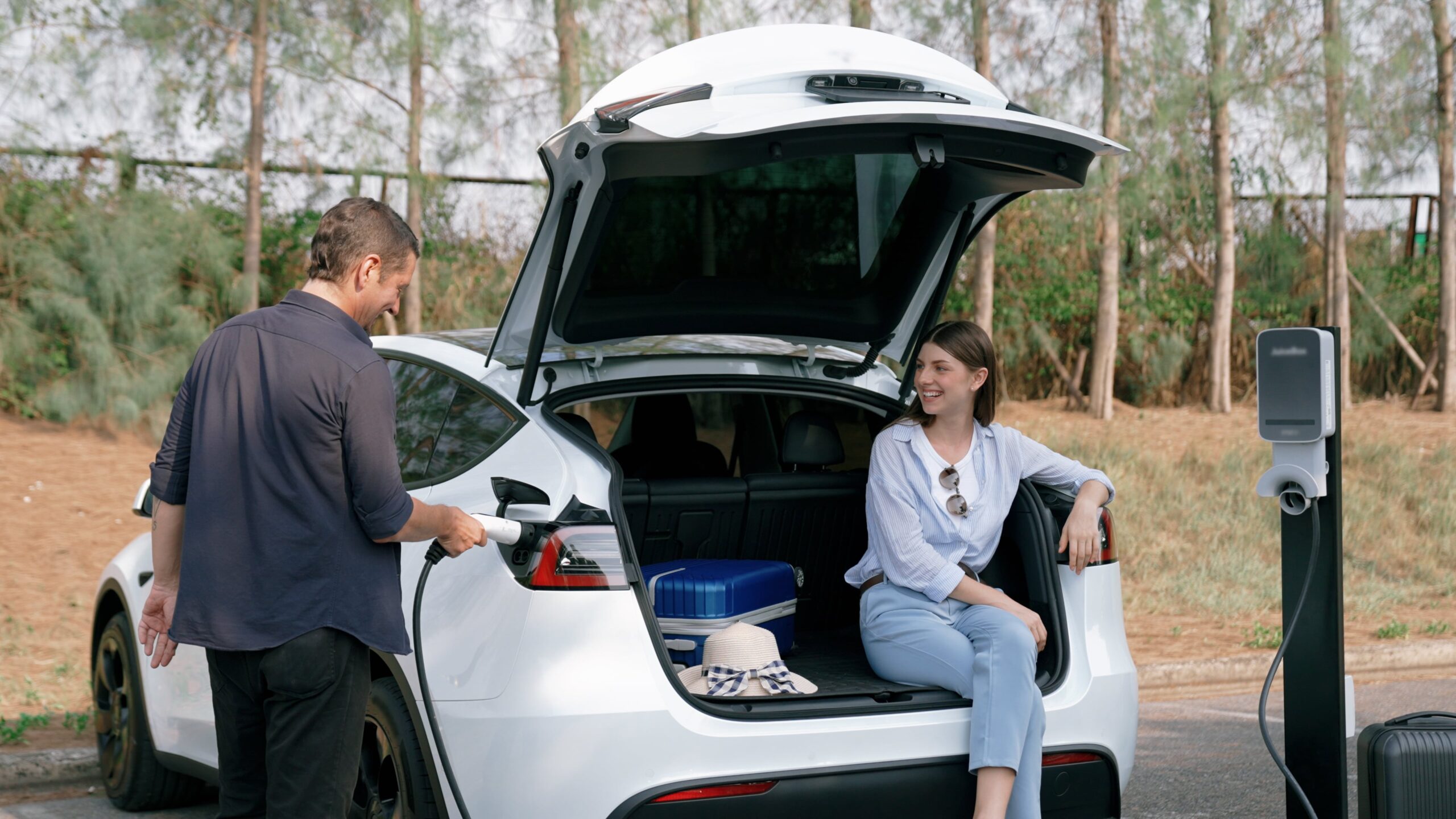
The electric powertrain is what replaces the internal combustion engine in EVs. It includes the electric motor, inverter, and transmission system. The motor converts electrical energy into mechanical energy to drive the wheels, while the inverter controls the flow of electricity from the battery to the motor. This system is not only quieter and smoother than traditional engines but also more energy-efficient with fewer moving parts.
Battery Pack: The Energy Source
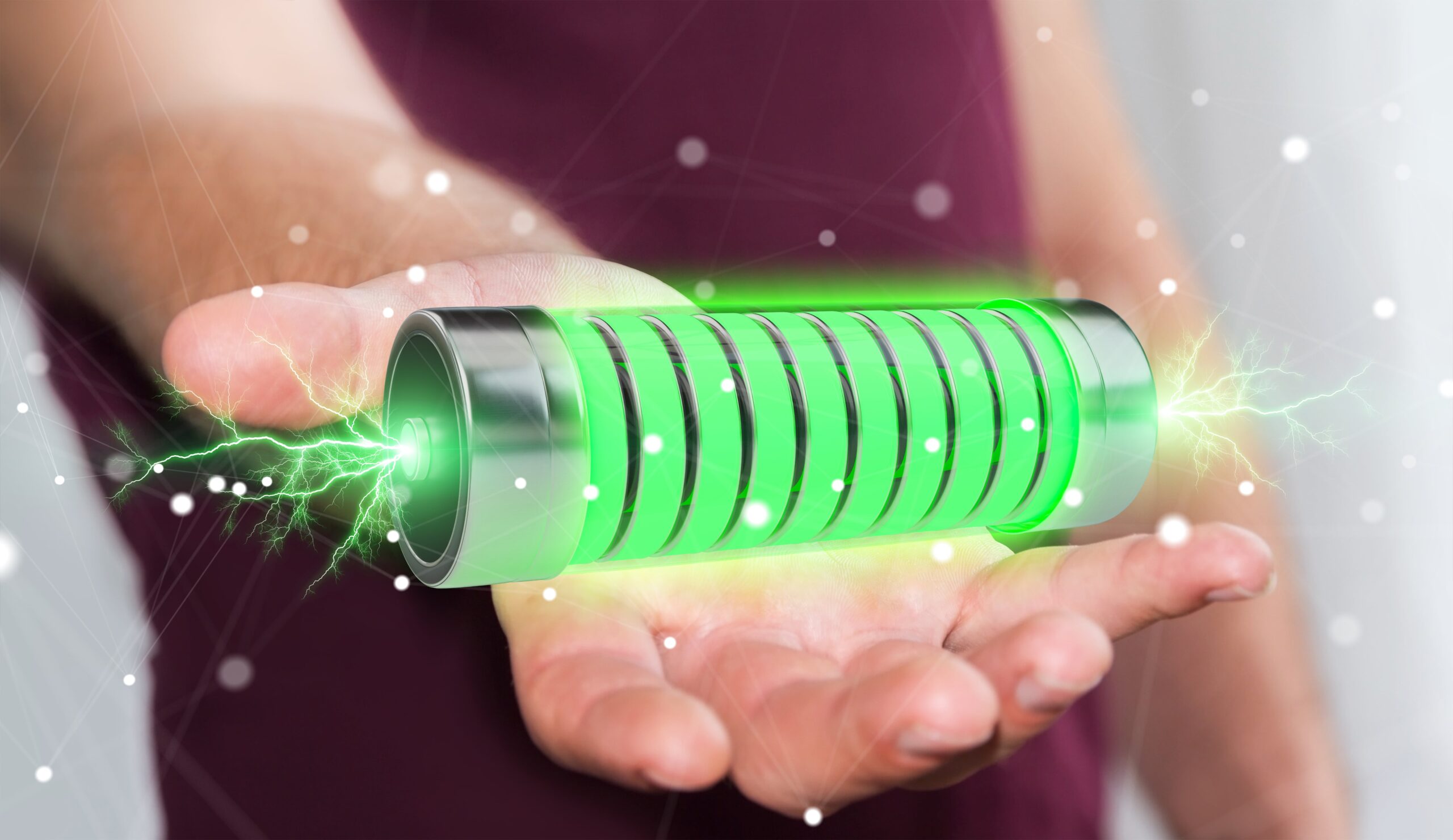
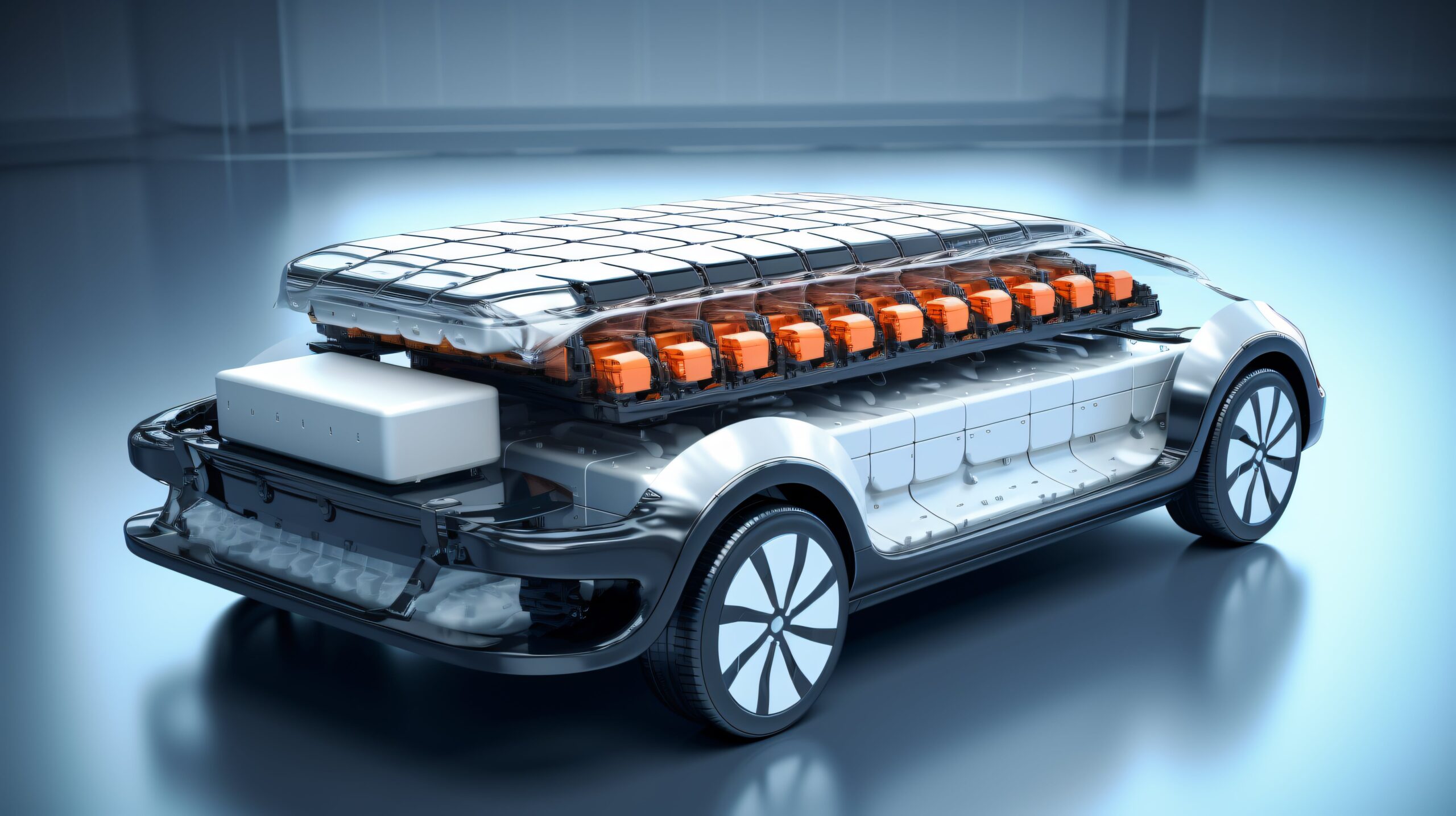
At the core of any electric vehicle is its battery pack, usually made of lithium-ion cells. This component stores the electricity needed to power the motor and all vehicle systems. Startups and manufacturers are constantly working to improve battery energy density, reduce charging times, and extend life cycles. The battery’s capacity (measured in kWh) directly affects the driving range of the vehicle.
Battery Management System (BMS) and Onboard Electronics
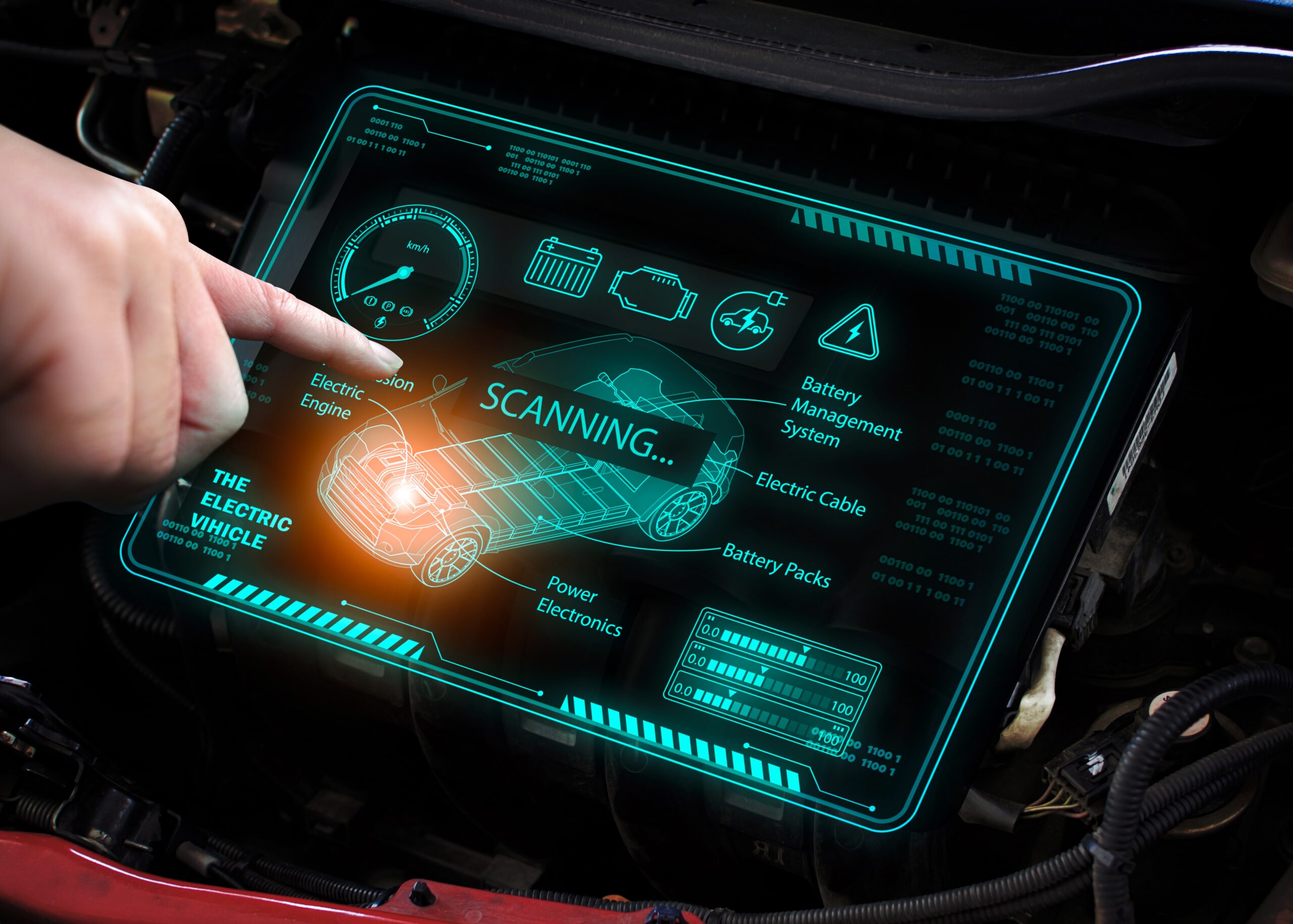
The Battery Management System (BMS) plays a crucial role in monitoring and regulating battery performance, ensuring safety, efficiency, and longevity. It tracks parameters like temperature, voltage, and current. Alongside this, onboard chargers, cooling systems, and vehicle control units manage how the car charges, maintains battery temperature, and responds to driver input—ensuring optimal performance and safety.
Conclusion
Understanding the key components of an electric vehicle helps highlight how EVs differ from traditional cars and why they are considered the future of mobility. From the advanced electric powertrain to the intelligent battery systems, these core technologies are making EVs more efficient, reliable, and sustainable. As innovation continues, we can expect even more refined systems that further enhance performance and user experience.
Share this content:
Post Comment