Battery Technologies in EVs: LFP vs NMC – What’s the Difference?

Understanding the Core Chemistry
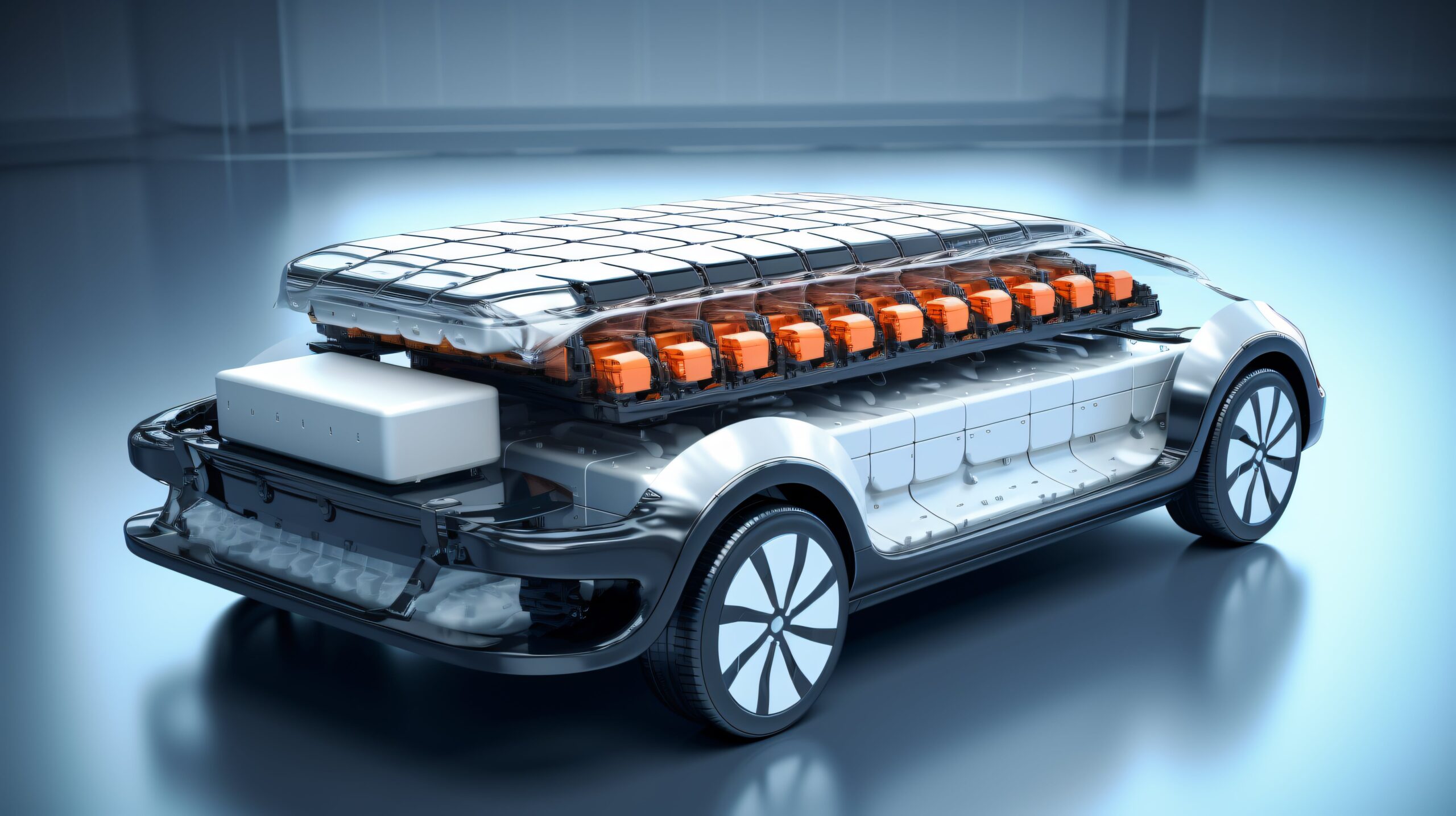
The primary difference between LFP (Lithium Iron Phosphate) and NMC (Nickel Manganese Cobalt) batteries lies in their chemical composition. LFP batteries are known for high thermal stability, longer cycle life, and the absence of rare materials like cobalt. In contrast, NMC batteries offer higher energy density, making them more suitable for long-range and high-performance electric vehicles. While both are lithium-ion based, their chemistry influences their performance, cost, and application.
Performance, Safety, and Efficiency
LFP batteries are recognized for being safe, affordable, and durable—an ideal match for two-wheelers, commercial EVs, and mass-market electric cars in India. NMC batteries, on the other hand, deliver greater range and power output, which is why they are used in premium electric cars. However, NMC requires robust thermal management systems to prevent overheating, whereas LFP performs well even in high-temperature environments.
Market Trends and Adoption in India
With a growing focus on cost-effectiveness and climate resilience, LFP batteries are becoming increasingly popular in India, particularly in electric scooters, rickshaws, and compact EVs. Meanwhile, NMC technology is being adopted by high-end manufacturers looking to provide longer driving ranges and higher performance. Indian startups and OEMs are also exploring hybrid approaches to balance cost, safety, and efficiency.
Conclusion
LFP and NMC battery technologies both play crucial roles in the evolving EV landscape. LFP batteries lead in safety, affordability, and thermal performance, while NMC stands out in range and power delivery. The right choice depends on the specific mobility need—whether for daily commuting, commercial transport, or long-range driving. As innovation accelerates, India’s EV industry is well-positioned to benefit from advancements in both technologies.
Share this content:
Post Comment