Thermal Management Systems in EVs: Why Cooling Matters

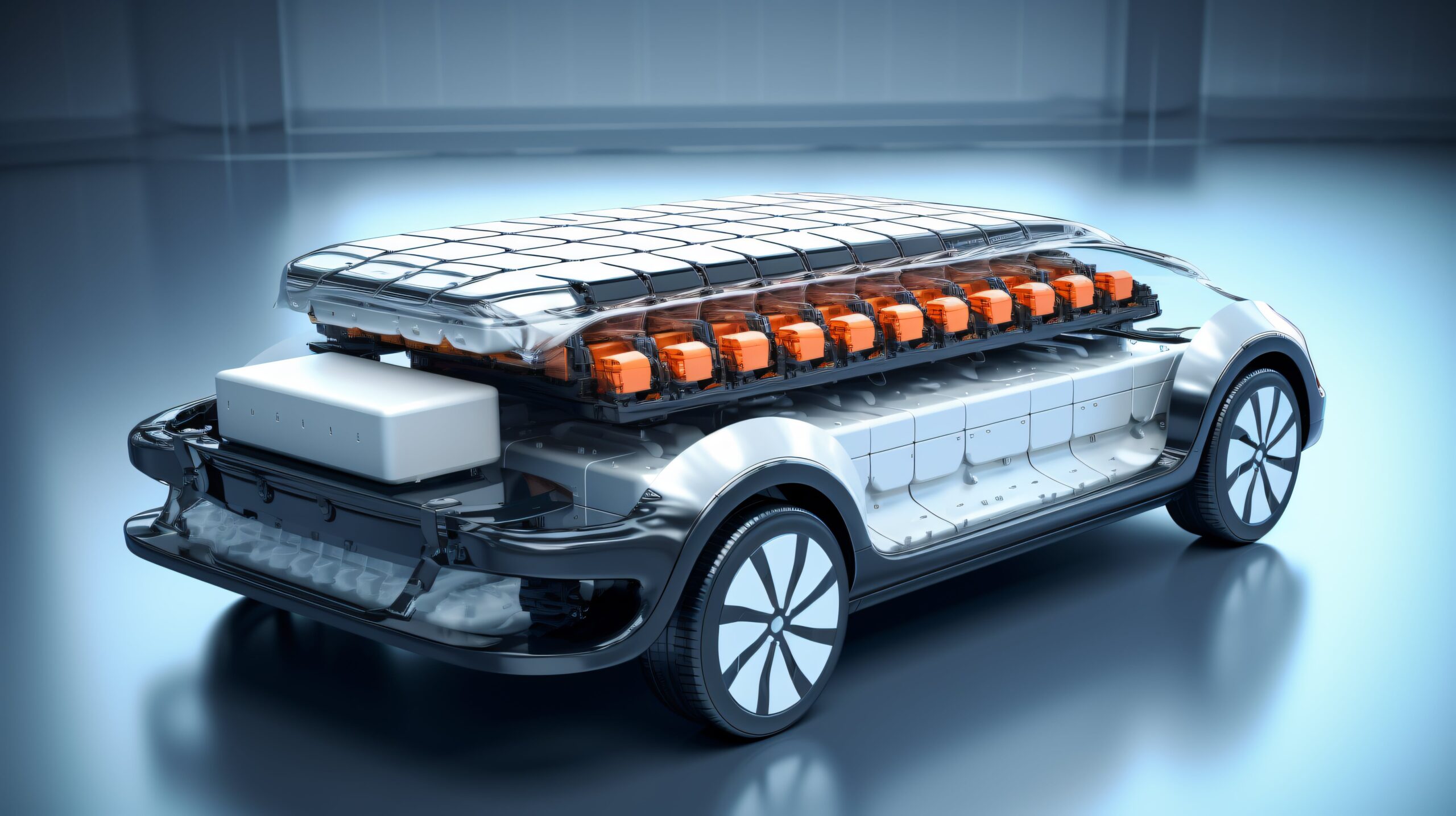
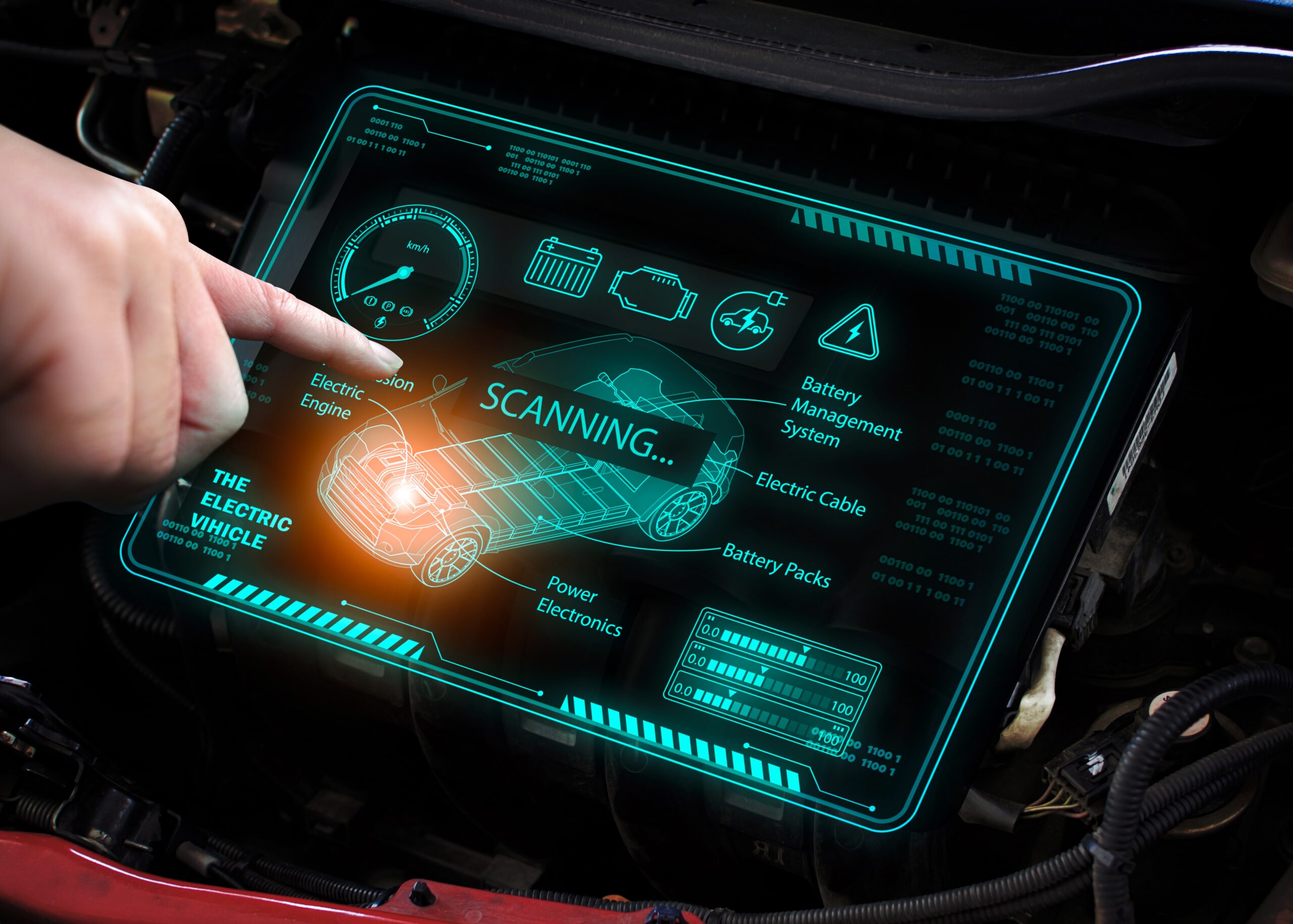
As electric vehicles (EVs) gain popularity and performance improves, thermal management has become a critical element in vehicle design. Efficient cooling ensures not only the safety of the vehicle but also its overall efficiency, battery life, and long-term performance. Without proper thermal control, the key components in EVs—especially the battery pack, power electronics, and motor—can overheat, reducing performance and even risking failure.
Understanding Heat Generation in EV Components
Electric vehicles generate heat from several sources. Batteries warm up during charging and discharging cycles, while motors and inverters produce heat during operation. Regenerative braking can also increase component temperatures. Left unmanaged, this heat can impair performance and accelerate wear, particularly in high-performance or long-range EVs.
Cooling Techniques Used in Modern EVs
To combat these challenges, manufacturers use several cooling techniques. Air cooling, though cost-effective, is limited in efficiency and used mostly in lower-capacity EVs. More advanced vehicles rely on liquid cooling systems, which circulate coolant around battery cells and electronics to maintain optimal temperatures. Some systems incorporate smart sensors, phase-change materials, and heat pumps to actively regulate heat and adapt to different driving conditions and climates.
The Impact on Safety, Performance, and Battery Life
Effective thermal management leads to safer EVs by preventing overheating and reducing the risk of thermal runaway or fire. It also enhances driving performance—ensuring consistent acceleration, longer battery range, and faster charging times. Perhaps most importantly, good cooling systems extend battery lifespan, which is crucial for lowering long-term ownership costs and improving sustainability.
Conclusion
Thermal management systems are fundamental to the success of electric vehicles. By maintaining ideal temperatures across key components, these systems protect the vehicle, enhance user experience, and ensure long-term durability. As EV technology continues to evolve, innovations in cooling will remain a driving force behind safer, smarter, and more efficient electric mobility.
Share this content:

Post Comment