The Rise of Electric Rickshaw Startups: Affordable & Eco-Friendly Transport
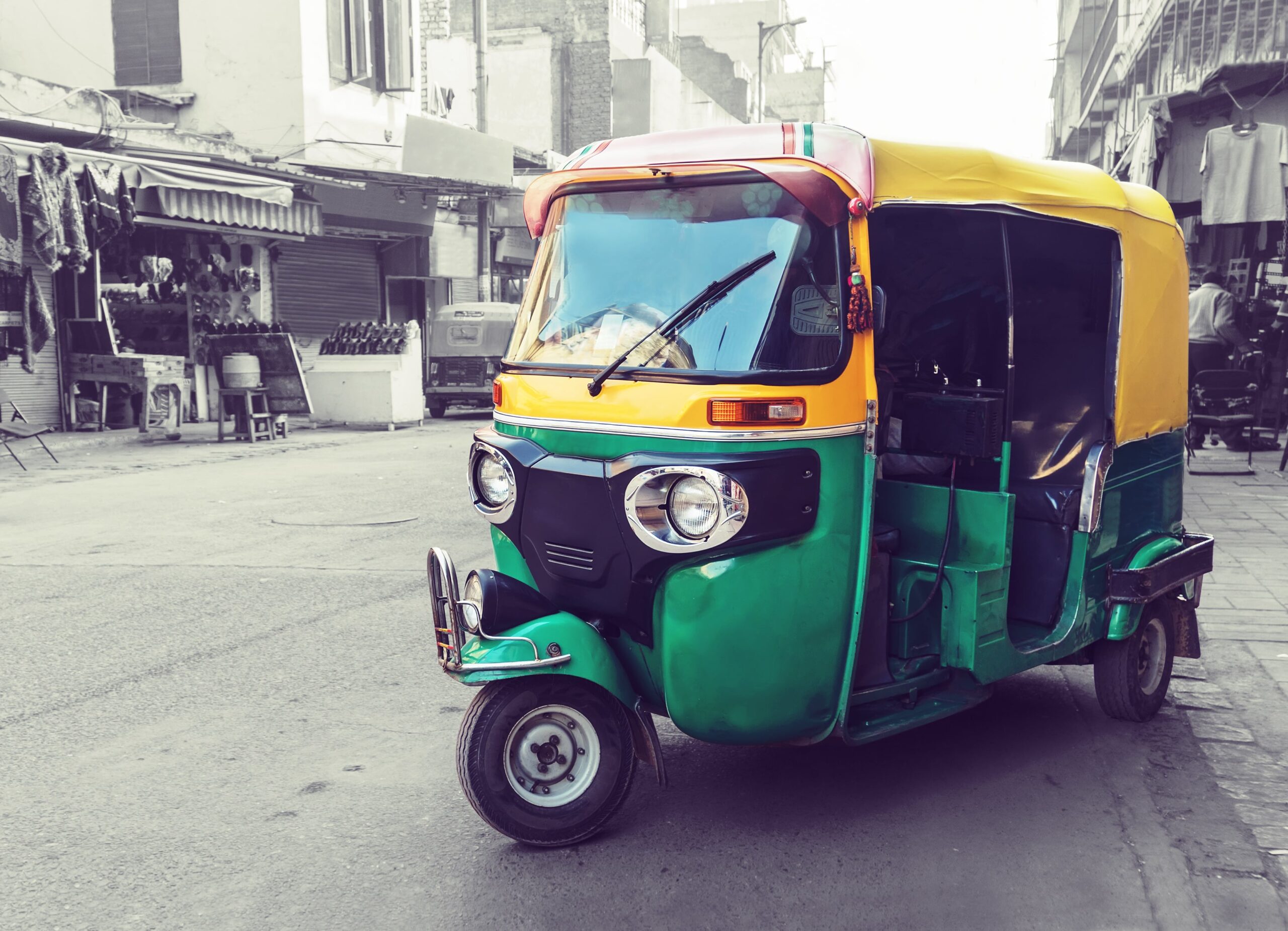
Electric rickshaws, or e-rickshaws, have quickly become a symbol of sustainable and affordable urban mobility in India. As cities grapple with rising pollution and congested streets, EV startups are stepping in with innovative electric rickshaw solutions that are clean, cost-effective, and well-suited to India’s transportation needs. These three-wheelers are transforming how people commute daily, especially in tier-2 and tier-3 cities, by offering last-mile connectivity at minimal environmental cost.
Making Urban Mobility Affordable for All
One of the key factors behind the rapid growth of e-rickshaw startups is their ability to offer a low-cost transport option. Traditional auto-rickshaws and cabs often come with higher fuel and maintenance costs, making them less accessible to many. In contrast, electric rickshaws are not only cheaper to operate due to lower electricity costs but also easier to maintain. Startups like Mahindra Electric, Piaggio, and SmartE have introduced models that allow both drivers and passengers to benefit from economical fares and reliable service. For many drivers, owning an e-rickshaw has become a viable source of income with faster return on investment.
Eco-Friendly Solution to Pollution and Congestion
Electric rickshaws contribute significantly to reducing urban pollution by producing zero tailpipe emissions. In cities where air quality is a major concern, these vehicles present a cleaner alternative to diesel- or petrol-based transport. Startups are increasingly focused on designing lightweight, energy-efficient models that reduce battery consumption and extend range. This eco-conscious approach supports government initiatives like FAME India (Faster Adoption and Manufacturing of Electric Vehicles) and aligns with India’s broader goal of lowering its carbon footprint in the transportation sector.
Driving Innovation Through Technology and Services
Beyond affordability and environmental benefits, EV startups are adding value through tech-driven innovations. Features like swappable battery systems, GPS tracking, digital payments, and app-based booking are becoming more common in electric rickshaws. Startups such as Oye Rickshaw and Mobycy are integrating mobility-as-a-service (MaaS) models, making e-rickshaw travel more convenient and organized. This digitization not only improves passenger experience but also provides valuable data insights that help optimize routes and fleet management.
Conclusion
The rise of electric rickshaw startups marks a transformative shift in India’s urban mobility landscape. By combining affordability, sustainability, and innovation, these companies are not only meeting the everyday commuting needs of millions but also contributing to cleaner, greener cities. As technology evolves and government support strengthens, electric rickshaws are set to become a mainstay of India’s public transport system—driven by the bold vision of the country’s emerging EV entrepreneurs.
Share this content:

Post Comment