Public vs. Private EV Charging Networks: What’s Better for Growth?
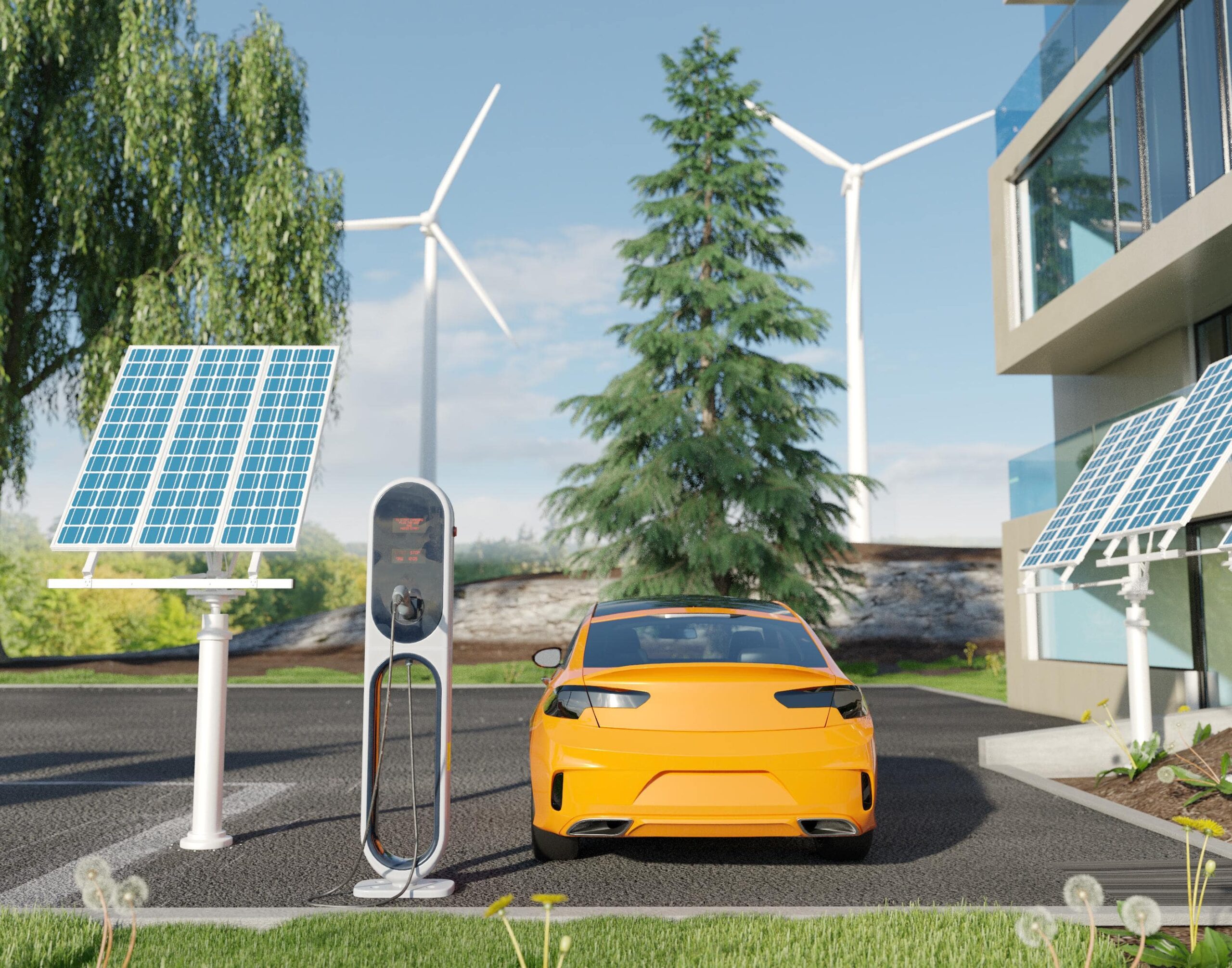
As India accelerates toward a cleaner mobility future, electric vehicle (EV) infrastructure plays a critical role. A key debate in the EV ecosystem is whether public or private charging networks are better suited for long-term growth. Each model brings its own strengths and challenges, and understanding them is essential for building a sustainable charging framework.
Public Charging Networks: Expanding Accessibility
Public EV charging stations, often funded or operated by government bodies, aim to provide universal access to EV users. They are typically found in highways, malls, metro stations, and public parking lots. Their biggest advantage is accessibility—they support inclusivity by serving areas where private investment may not reach. However, challenges like inconsistent maintenance, slow rollout, and limited smart capabilities can hamper efficiency. Government policies such as FAME and state-level EV incentives aim to improve this, but scalability remains gradual.
Private Charging Networks: Fast Innovation and Premium Service
Private networks, built by EV manufacturers or startups, are expanding rapidly. Brands like Ather, Tata, and ChargeZone are developing fast-charging stations with app-based navigation, payment integration, and real-time availability. These networks often provide faster service, better tech integration, and are user-centric. The downside? Limited access. Many private stations are exclusive to specific vehicle brands or require subscriptions. While they promote innovation, their contribution to public accessibility may be restricted unless integrated into a larger, open network.
Hybrid Approach: A Balanced Future
A combination of public and private networks may hold the key to rapid and inclusive EV growth. Public networks ensure reach and equity, while private players drive innovation and efficiency. Policy frameworks that encourage public-private partnerships (PPPs) can help unify standards, improve interoperability, and accelerate rollout.
Conclusion
For India’s EV revolution to thrive, both public and private charging networks must coexist and complement each other. Public networks build foundational accessibility, while private solutions bring agility and tech-savviness. The future lies in a hybrid ecosystem where collaboration—not competition—drives sustainable EV infrastructure growth.
Share this content:



Post Comment