What Is Mountain Driving?
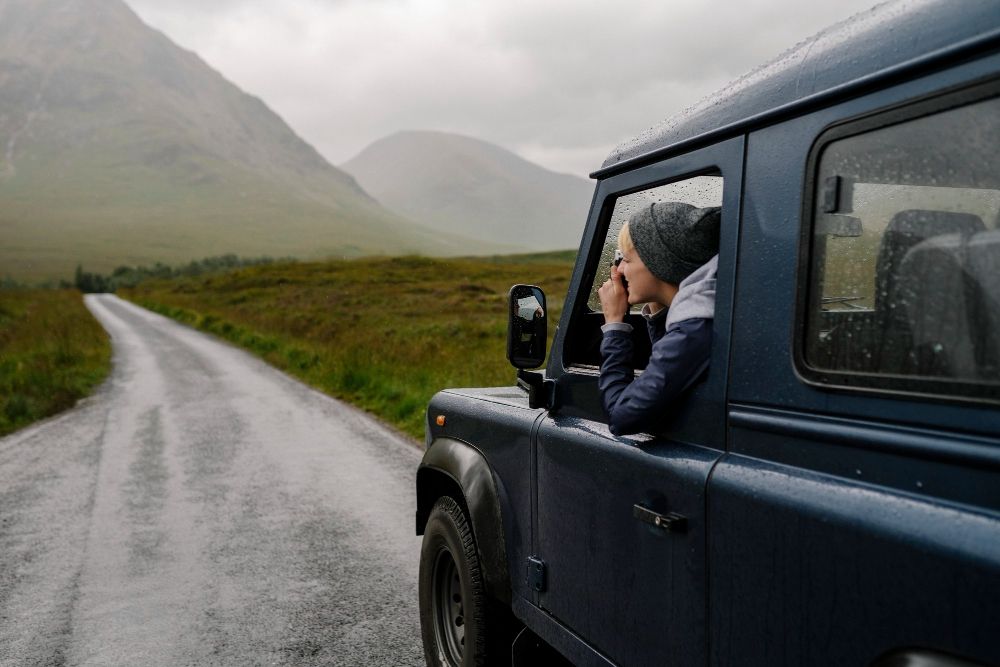
Mountain driving refers to driving a vehicle on roads that pass through hills, mountains, valleys, and other elevated areas. Unlike driving on flat city roads or highways, mountain driving often involves steep slopes, sharp turns, narrow roads, changing weather conditions, and limited visibility. Because of these challenges, drivers need greater concentration, better vehicle control, and a good understanding of safe driving techniques.
Mountain roads can offer beautiful scenery and memorable travel experiences, but they can also be demanding for inexperienced drivers. Knowing how to control your speed, use the correct gear, brake safely, and respond to changing road conditions can make mountain driving much safer and more comfortable.
Why Is Mountain Driving Different?
Mountain driving is different from regular driving because road conditions can change quickly. A route may include steep climbs followed by long downhill sections, tight hairpin bends, blind corners, and areas where the road becomes very narrow.
Weather can also be unpredictable in mountainous regions. Rain, fog, snow, strong winds, or falling temperatures may reduce visibility and make the road slippery. Drivers should therefore remain alert and adjust their speed according to the road, traffic, and weather conditions.
Driving Uphill on Mountain Roads
When driving uphill, the vehicle requires more power than it does on a flat road. Maintaining the correct gear helps the engine provide enough power without unnecessary strain.
Drivers should avoid accelerating aggressively and maintain a steady speed wherever possible. Keeping a safe distance from the vehicle ahead is also important, especially when following heavy vehicles that may move slowly on steep climbs.
If overtaking is allowed, it should only be attempted when there is clear visibility and enough space to complete the manoeuvre safely.
Driving Downhill Safely
Descending a mountain road requires careful speed control. One of the most important mountain driving techniques is using a lower gear to help control the vehicle’s speed rather than relying entirely on the brakes.
Continuous heavy braking on a long downhill road can cause the brakes to overheat, which may reduce their effectiveness. Engine braking can help maintain a controlled speed and reduce unnecessary pressure on the braking system.
Drivers should also slow down before entering sharp bends instead of braking suddenly while turning.
Be Careful Around Sharp Turns
Mountain roads often contain hairpin bends and blind corners where it may be difficult to see approaching vehicles.
Always reduce your speed before entering a curve and stay within your lane. Avoid cutting across corners, even when the road appears empty. In areas where local rules require or recommend it, using the horn appropriately near blind bends can alert other road users to your presence.
Maintain a Safe Following Distance
Keeping enough distance from the vehicle ahead is essential on mountain roads. Steep slopes, loose gravel, wet surfaces, and sudden traffic stops can increase braking distance.
Leaving additional space gives you more time to react if another vehicle suddenly slows down or stops.
Extra distance is particularly important when driving behind buses, trucks, or other large vehicles because they may travel slowly uphill or require more space while turning.
Check Your Vehicle Before Mountain Driving
Before travelling through mountainous areas, make sure your vehicle is in good condition. Important components to check include:
- Brakes
- Tyres and tyre pressure
- Engine oil
- Coolant
- Lights
- Windscreen wipers
- Battery
- Fuel level
Tyres with sufficient tread are especially important because they provide better grip on wet, snowy, or uneven mountain roads.
Watch the Weather
Mountain weather can change much faster than weather in lower areas. A clear road may suddenly become foggy, rainy, snowy, or icy.
Check the weather forecast before starting your trip and remain prepared for changing conditions. If visibility becomes poor, reduce your speed, use appropriate vehicle lights, and increase the distance between your vehicle and surrounding traffic.
When conditions become unsafe, stopping at a suitable and secure location may be safer than continuing the journey.
Avoid Distractions
Mountain driving requires constant attention. Avoid using your phone, adjusting navigation systems unnecessarily, or doing anything that takes your focus away from the road.
Watch carefully for warning signs, speed limits, animals, pedestrians, cyclists, falling rocks, and approaching vehicles. Road signs in mountainous areas often provide important warnings about steep gradients, sharp bends, narrow bridges, or other hazards ahead.
Give Priority Where Required
Some mountain roads may be too narrow for two vehicles to pass comfortably. Drivers should follow local traffic rules regarding right of way and use designated passing places where available.
Remain patient when travelling behind slower vehicles. Trying to overtake without sufficient visibility can create unnecessary risks.
Take Breaks During Long Mountain Journeys
Driving continuously on winding mountain roads can be physically and mentally tiring. Fatigue can reduce concentration and reaction time.
During long journeys, take regular breaks at safe locations. Stretch, drink water, and rest before continuing your trip. A well-rested driver is better prepared to respond to unexpected situations.
Essential Mountain Driving Safety Tips
For a safer mountain journey:
- Maintain a controlled and comfortable speed.
- Use lower gears when travelling on steep downhill sections.
- Slow down before sharp bends.
- Avoid sudden braking and aggressive acceleration.
- Maintain a safe distance from other vehicles.
- Never overtake near blind corners.
- Check weather and road conditions before travelling.
- Make sure your brakes and tyres are in good condition.
- Stay alert for pedestrians, animals, cyclists, and falling rocks.
- Follow all local traffic signs and regulations.
Conclusion
Mountain driving can be an enjoyable experience when approached with proper preparation and careful driving. The combination of steep gradients, sharp bends, changing weather, and narrow roads means drivers must stay focused and adapt their driving style to the conditions.
Understanding how to manage uphill and downhill sections, maintain a safe speed, use the correct gear, and prepare your vehicle can significantly improve safety. Whether you are planning a short mountain trip or a long road journey, patience, preparation, and responsible driving are the keys to travelling confidently on mountain roads.
Share this content:
Post Comment