Innovations in Lightweight EV Materials Displayed at the Expo
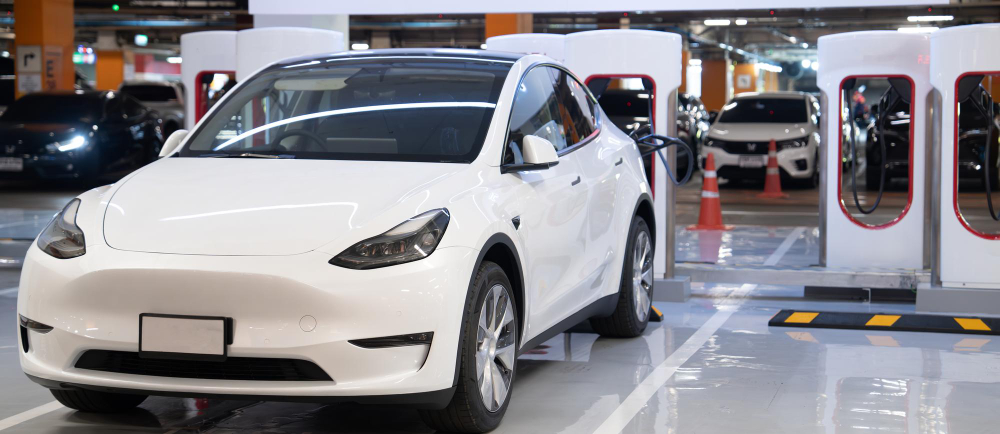
Electric vehicles (EVs) are rapidly advancing, and one of the most transformative trends showcased at the recent expo was the development of lightweight materials. Reducing vehicle weight is a key strategy for improving EV range, efficiency, performance, and sustainability. At the expo, material scientists, OEMs, and suppliers unveiled cutting‑edge solutions — from high‑strength composites to advanced alloys — that signal a new era in EV design.
Advanced Composites for Structural Efficiency
Composite materials — especially carbon fiber‑reinforced polymers (CFRP) and glass fiber composites — took center stage at the expo. Exhibitors highlighted how these lightweight yet robust materials are being integrated into EV body structures, chassis components, and interior parts. By dramatically reducing mass while maintaining strength and impact resistance, advanced composites help enhance vehicle range and handling without compromising safety. Some innovations even focus on recyclable and bio‑based composites, aligning lightweighting with sustainability goals.
Novel High‑Strength Alloys and Metal Matrix Solutions
Alongside composites, the expo showcased breakthroughs in high‑strength aluminum and magnesium alloys tailored for EV use. These metals offer significant weight savings compared to traditional steel while delivering superior durability and corrosion resistance. Some companies introduced metal matrix composite solutions that combine metallic strength with ceramic resilience for powertrain housings, battery enclosures, and suspension components. The result is a balanced material ecosystem that optimizes performance, cost, and manufacturability.
Sustainable and Circular Material Innovations
A notable theme at the expo was sustainability in lightweight materials. Researchers and material suppliers displayed innovations such as recycled thermoplastics, plant‑based fiber composites, and materials designed for easier disassembly and reuse. These solutions address the full lifecycle of EV components, reducing environmental impact from production to end‑of‑life recycling. Sustainable materials not only reduce carbon footprint but also support circular economy principles within the EV industry.
Conclusion
The expo’s showcase of lightweight EV materials reflects a broader industry commitment to enhancing electric mobility through intelligent engineering. By blending high‑performance composites, advanced alloys, and sustainable material solutions, manufacturers are unlocking new opportunities to improve vehicle efficiency, extend driving range, and reduce overall environmental impact. As EV adoption accelerates worldwide, innovations in lightweight materials will remain essential to achieving a future of cleaner, smarter, and more efficient transportation.
Share this content:



Post Comment