How IoT is Transforming Public and Private EV Transport

The Internet of Things (IoT) is revolutionizing the electric vehicle (EV) industry by enabling smarter, safer, and more efficient transportation systems. From public charging networks to private EV fleets, IoT connectivity is reshaping how vehicles operate, communicate, and interact with their surroundings. This digital integration is paving the way for intelligent mobility solutions that support sustainability and enhance the overall EV experience.
Enhancing Efficiency Through Real-Time Data
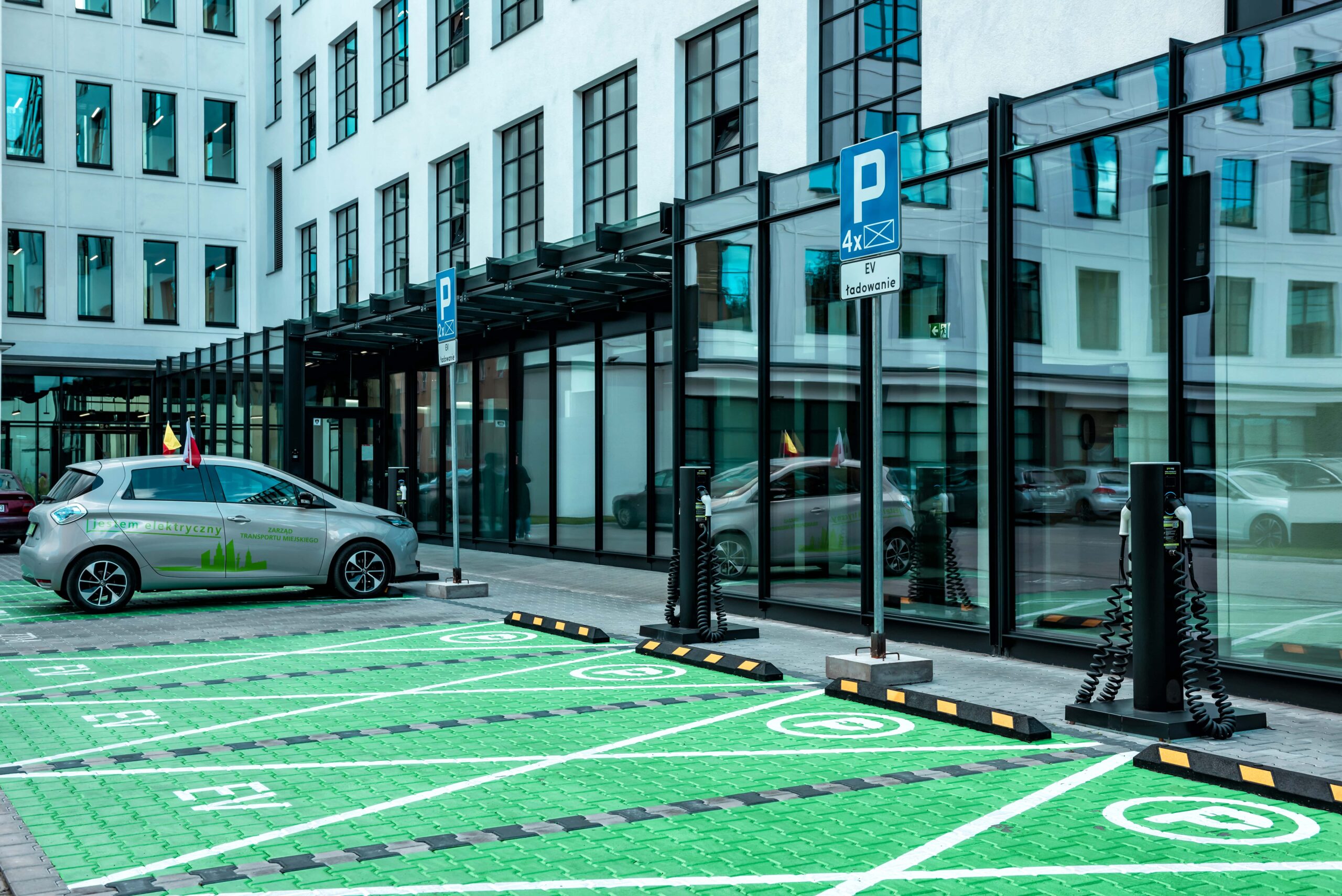
IoT enables EVs and charging stations to exchange real-time data, optimizing operations and energy use. In public transport, connected EV buses and shared fleets use IoT sensors to monitor battery health, route efficiency, and vehicle performance. This helps fleet managers predict maintenance needs, prevent breakdowns, and minimize downtime. Similarly, private EV owners benefit from smart apps that display nearby charging stations, available parking, and real-time battery analytics—all improving convenience and reliability.
Smart Charging and Energy Management
One of the most significant impacts of IoT in EV transport is intelligent charging management. IoT-connected charging stations can automatically adjust charging speeds based on grid demand, energy availability, and cost fluctuations. Public transport operators can use this technology to schedule charging during off-peak hours, lowering costs and reducing grid pressure. Integration with renewable energy sources like solar or wind ensures a cleaner, more sustainable charging process, aligning perfectly with smart city goals.
Improving Safety and Connectivity
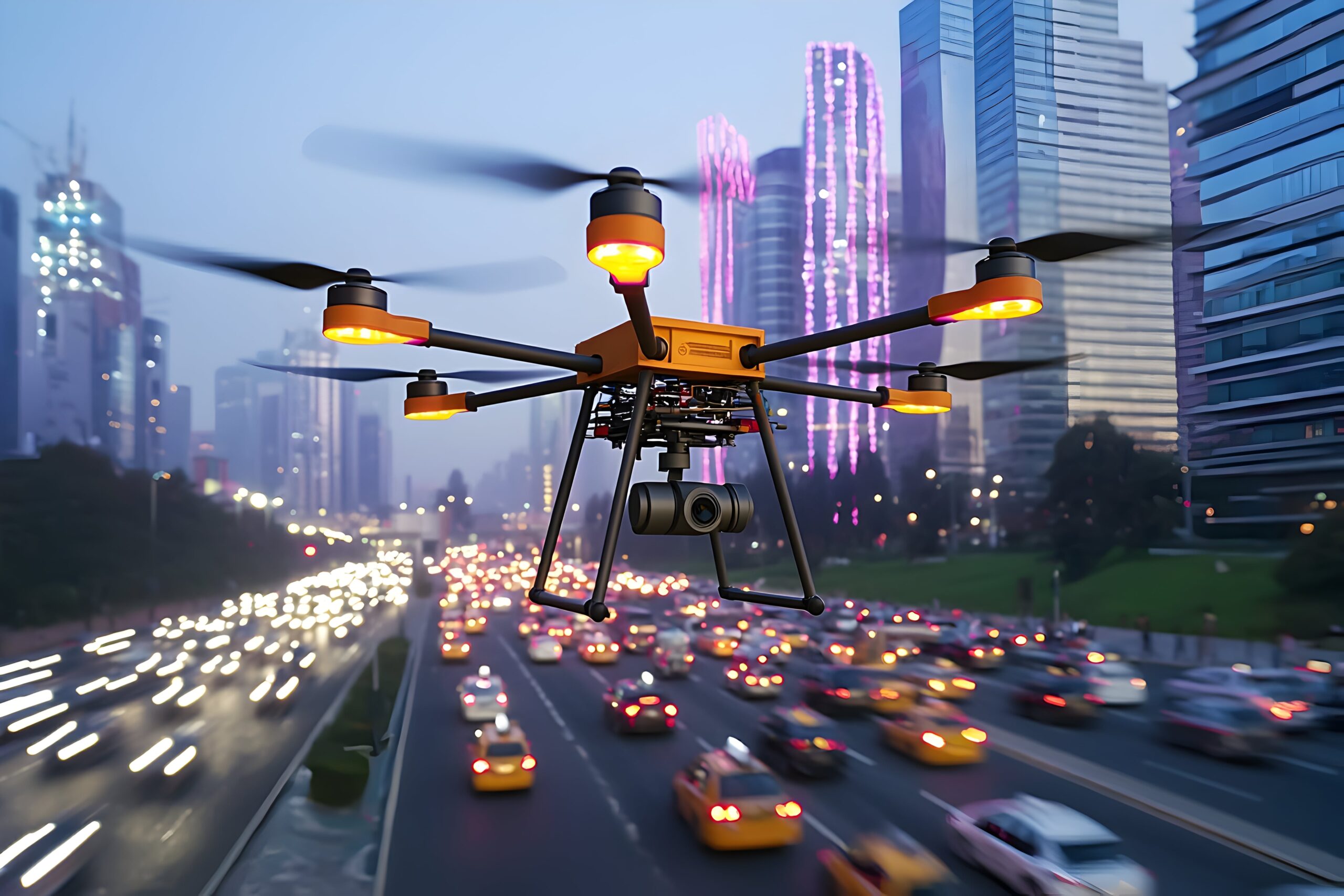
IoT also enhances safety and connectivity for both public and private EVs. Connected sensors and telematics systems monitor driver behavior, detect potential hazards, and provide real-time alerts. Vehicle-to-vehicle (V2V) and vehicle-to-infrastructure (V2I) communication enable EVs to interact seamlessly with traffic lights, road signs, and other vehicles—reducing accidents and improving traffic flow. Over-the-air (OTA) updates ensure that EV software remains secure and up-to-date without requiring manual intervention.
Conclusion
IoT is transforming the landscape of public and private EV transport by bridging data, technology, and mobility. Through real-time monitoring, predictive analytics, and intelligent energy management, IoT ensures that electric transportation becomes more efficient, sustainable, and user-friendly. As cities evolve into smart ecosystems, the integration of IoT with EVs will play a crucial role in shaping the future of connected, clean, and intelligent mobility.
Share this content:

Post Comment