Impact of International Trade on India’s EV Component Supply
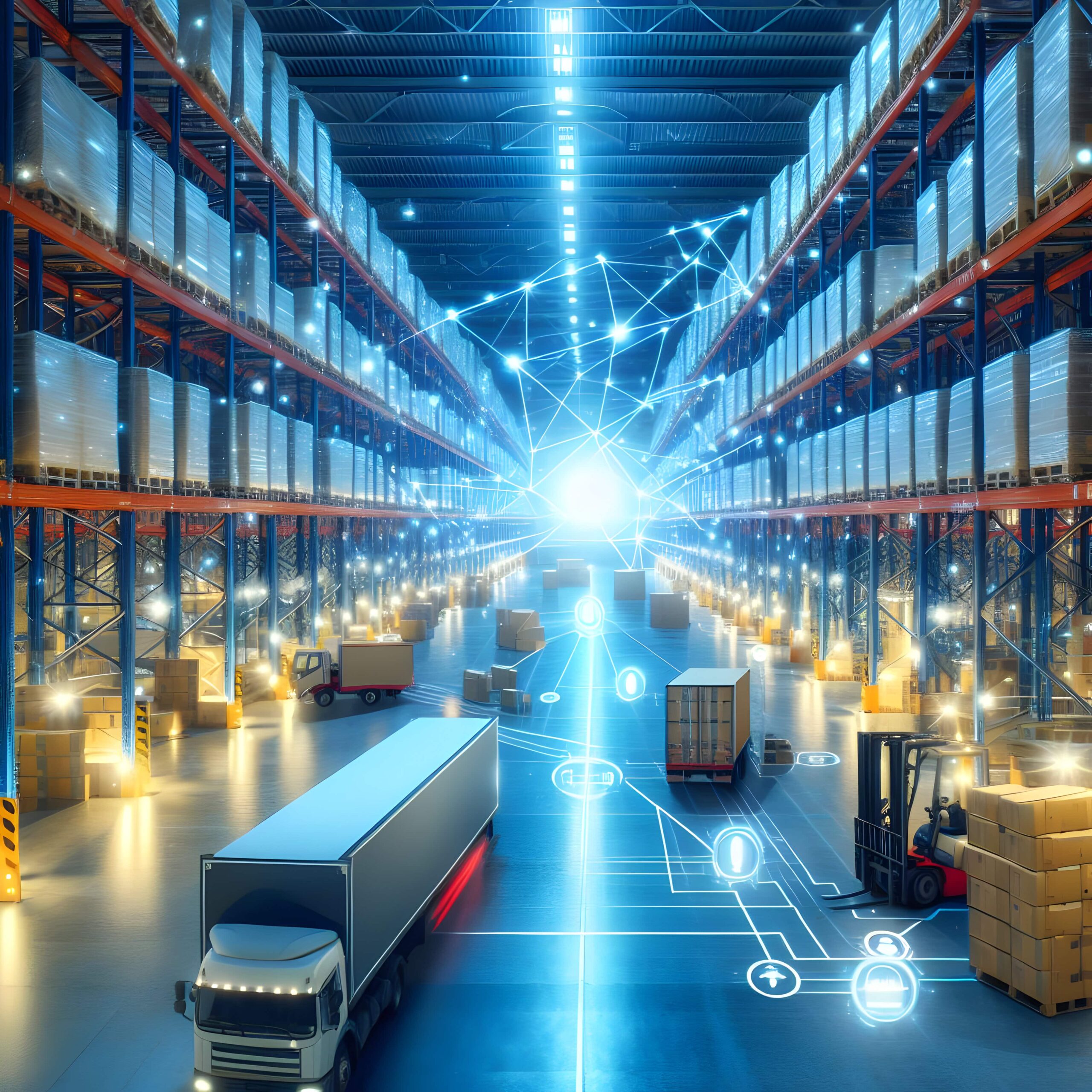
The rapid growth of electric vehicles (EVs) in India depends not only on domestic manufacturing but also on the global supply chain for critical components. International trade plays a pivotal role in ensuring the availability of advanced EV parts, such as batteries, motors, and electronic control systems. Let’s dive into how global trade dynamics influence India’s EV component supply and what it means for the future of the sector.
Dependence on Global Supply Chains
India’s EV industry currently relies heavily on imports for essential components like lithium-ion cells, battery packs, semiconductors, and rare earth magnets. These components are primarily sourced from countries such as China, South Korea, and Japan, which dominate the global battery and electronic component market. While domestic manufacturing initiatives under the Production-Linked Incentive (PLI) scheme are underway, the supply chain remains global and interconnected.
Impact of Trade Policies and Tariffs
International trade policies significantly impact the cost and availability of EV components in India. Import duties, tariffs, and bilateral trade agreements determine how competitive EV prices can be. For instance, fluctuations in trade relations with key suppliers or disruptions in global shipping can lead to increased costs or delays in production. Conversely, favorable trade agreements and strategic partnerships can reduce dependency risks and encourage local assembly and manufacturing.
Challenges and Opportunities for India
The reliance on imports makes India vulnerable to global supply chain disruptions, as seen during the pandemic and recent geopolitical tensions. However, this challenge presents an opportunity for India to strengthen its domestic manufacturing ecosystem. Investments in battery gigafactories, local sourcing of raw materials, and technology collaborations can gradually reduce dependence on imports while promoting Make in India initiatives. Additionally, exploring trade partnerships with multiple countries can help diversify the supply chain and mitigate risks.
Conclusion: Building a Resilient EV Supply Chain
International trade has a profound impact on India’s EV component supply, shaping production costs, timelines, and market competitiveness. While global sourcing is inevitable in the short term, India’s long-term strategy should focus on localization, innovation, and supply chain resilience. By balancing international partnerships with domestic capacity building, India can position itself as a global leader in electric mobility.
Share this content:


Post Comment