EV Industry in India: Market Size, Growth and Global Business Opportunities

India is rapidly emerging as one of the most important electric mobility markets in the world. Driven by policy support, rising vehicle demand, urbanisation, technology advancement and increasing investment in clean transportation, the EV industry in India is creating significant opportunities for both domestic and international businesses.
For global manufacturers, investors, technology companies and mobility solution providers, India represents more than a large consumer market. It is developing into an important manufacturing, sourcing and innovation ecosystem for electric vehicles, batteries, charging infrastructure, automotive components and smart mobility technologies.
India’s EV Market: A Rapidly Expanding Opportunity
The Indian electric vehicle market has recorded significant growth in recent years, supported by increasing consumer adoption and the expansion of electric two-wheelers, three-wheelers, passenger vehicles and commercial fleets.
Electric vehicle registrations in India have increased substantially, while EV penetration continues to rise across several vehicle categories.
This growth is being supported by multiple factors, including:
- Increasing demand for cost-efficient mobility
- Government incentives and policy support
- Expansion of EV charging infrastructure
- Growth in battery and component manufacturing
- Rising fuel and operating costs
- Greater focus on sustainability and carbon reduction
- Increasing investment from automotive and technology companies
For global companies evaluating expansion in Asia, India’s large automotive market and growing demand for cleaner mobility solutions create a compelling long-term opportunity.
Why the Indian EV Market Matters Globally
India is one of the world’s largest automotive markets and has a particularly strong presence in two-wheelers and three-wheelers.
This gives India a distinctive position in the global transition towards electric mobility.
Unlike several developed markets where passenger cars dominate EV adoption, India’s electric mobility transition is being driven by multiple segments simultaneously, including:
- Electric scooters and motorcycles
- Electric rickshaws
- Commercial three-wheelers
- Electric passenger cars
- Electric buses
- Delivery and logistics fleets
- Last-mile mobility solutions
This diversified demand creates opportunities for international companies across multiple price points, technologies and business models.
Key Growth Drivers of the EV Industry in India
Government Policy and Incentives
Government initiatives remain an important factor supporting the development of India’s EV ecosystem.
Programmes such as PM E-DRIVE and manufacturing-focused incentive schemes are encouraging the adoption of electric vehicles while supporting the development of domestic manufacturing capabilities.
These initiatives are also helping create demand for EV components, batteries, charging infrastructure and advanced automotive technologies.
Expanding Manufacturing Ecosystem
India is actively developing domestic capabilities in advanced automotive manufacturing.
Automobile manufacturers, component suppliers, battery companies and technology providers are increasingly investing in:
- EV assembly and manufacturing
- Battery packs and energy storage
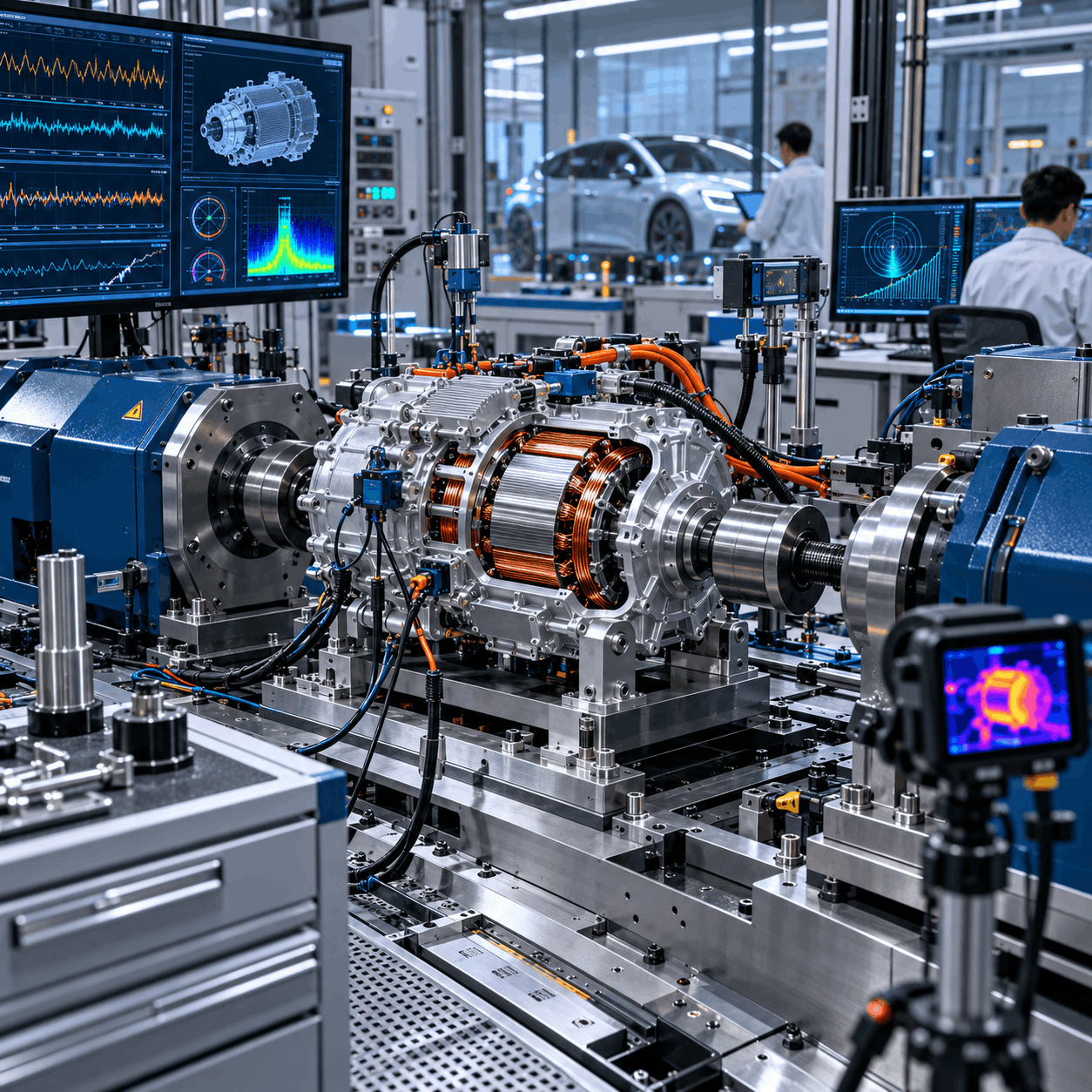
- Electric motors
- Power electronics
- Battery Management Systems
- Vehicle electronics
- Charging equipment
- Software and connected mobility technologies
For international companies, this expanding manufacturing ecosystem creates opportunities for joint ventures, technology partnerships, sourcing and local production.
Battery Manufacturing and Energy Storage Opportunities
Battery technology is at the centre of the global electric mobility transition.
As India’s EV market expands, demand for advanced batteries and energy storage technologies is also expected to increase considerably.
Business opportunities exist in areas such as:
- Lithium-ion battery manufacturing
- Advanced cell technology
- Battery pack assembly
- Battery Management Systems
- Thermal management
- Battery testing
- Energy storage systems
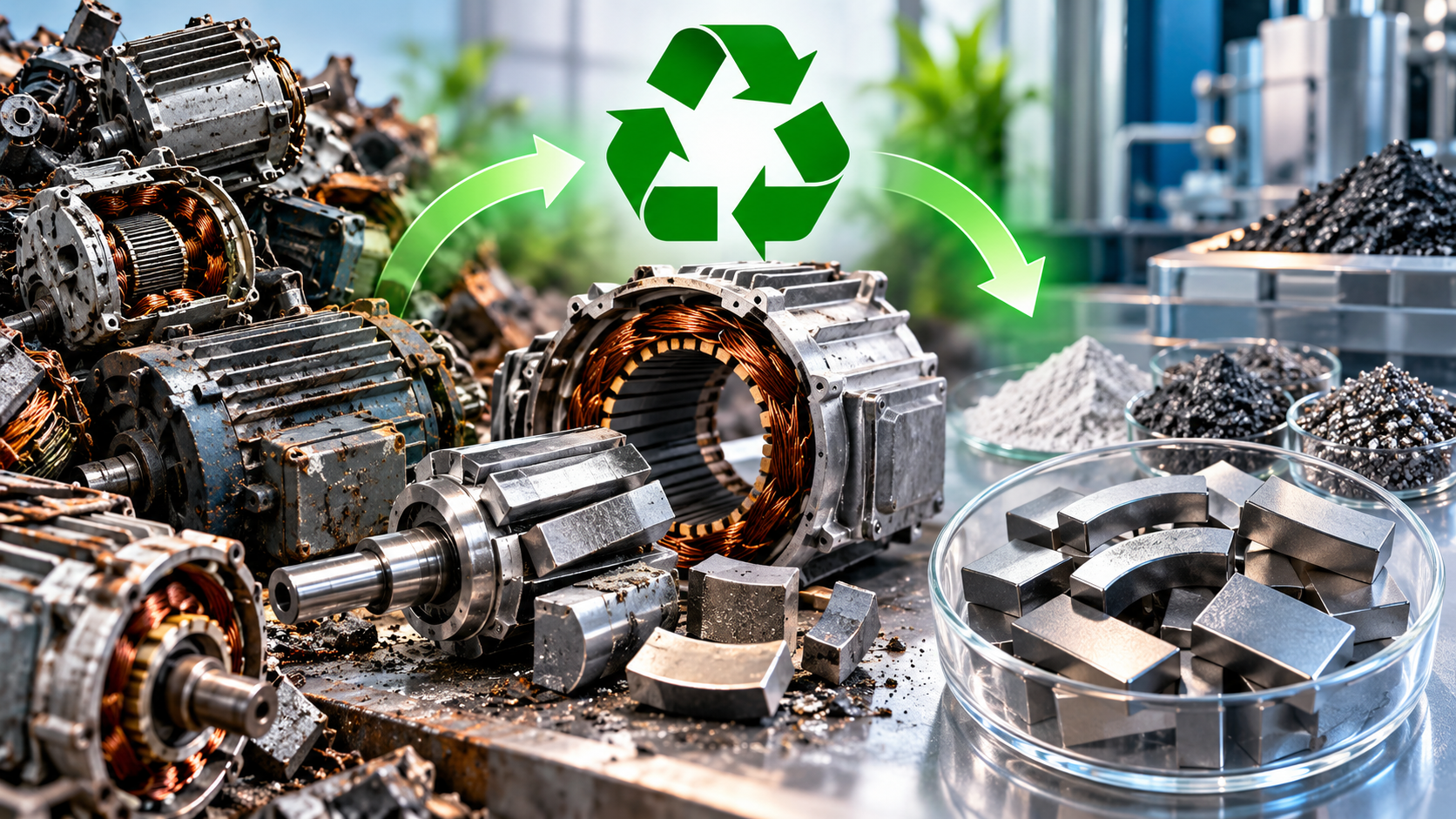
- Battery recycling
- Second-life battery applications
International battery manufacturers and technology companies can potentially benefit from India’s growing manufacturing base and large domestic demand.
EV Charging Infrastructure: A Major Investment Area
Charging infrastructure is becoming one of the most important parts of India’s electric mobility ecosystem.
As the number of electric vehicles increases, India will require a much larger network of reliable and accessible charging stations.
Potential opportunities include:
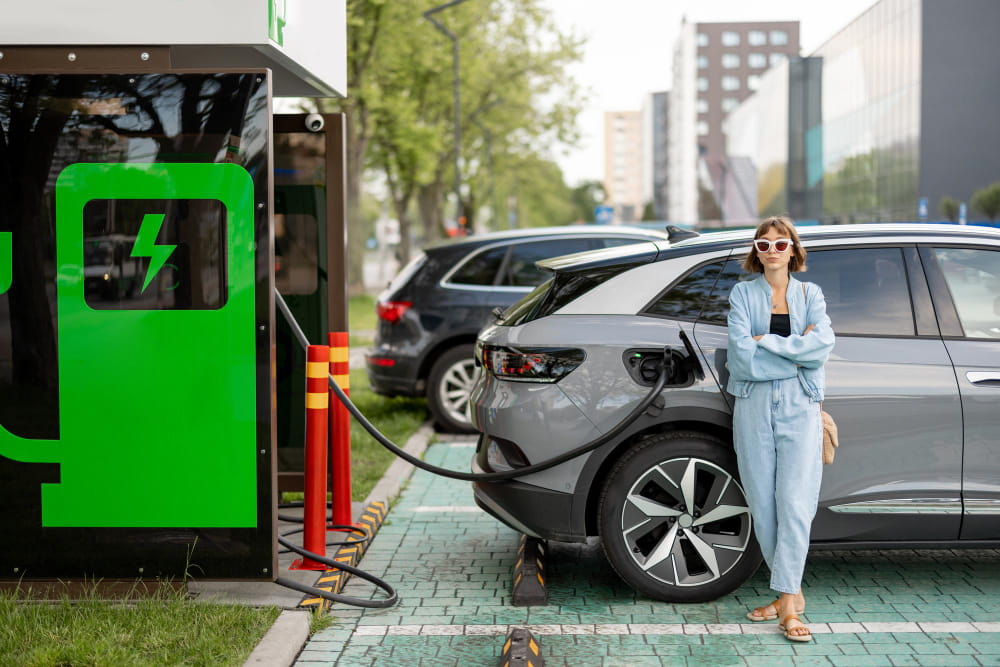
- Public charging stations
- DC fast charging
- Residential charging systems
- Commercial charging infrastructure
- Highway charging networks
- Fleet charging hubs
- Battery swapping
- Smart charging software
- Energy management platforms
The integration of renewable energy, battery storage and intelligent charging systems may further create opportunities for energy and technology companies.
Electric Two-Wheelers and Three-Wheelers
Two-wheelers and three-wheelers represent some of the strongest opportunities within India’s electric mobility market.
Their high daily utilisation and comparatively lower operating costs make electrification particularly attractive.
Electric three-wheelers are increasingly being used for:
- Passenger mobility
- Urban transportation
- E-commerce
- Last-mile delivery
- Small cargo transportation
- Commercial logistics
For international suppliers of batteries, motors, controllers, electronics and charging technologies, these segments provide a large potential market.
Commercial Fleet Electrification
Commercial fleet operators are increasingly exploring electric mobility as part of their long-term operational strategies.
Fleet electrification can be particularly relevant for businesses operating predictable routes with high daily vehicle utilisation.
Key areas include:
- E-commerce delivery fleets
- Logistics companies
- Corporate transportation
- Taxi and ride-hailing services
- Public transport
- Municipal fleets
- Last-mile delivery operators
This shift creates opportunities not only for vehicle manufacturers but also for charging companies, fleet-management platforms and energy-service providers.
Opportunities for International Companies
India’s EV transformation is creating opportunities across the entire mobility value chain.
International companies can explore opportunities in:
Manufacturing
Companies can establish manufacturing facilities or collaborate with Indian partners for EV components, batteries and charging equipment.
Technology Partnerships
Technology providers can collaborate with automobile manufacturers, startups and component companies in areas such as battery technology, power electronics, software and smart mobility.
Supply Chain and Sourcing
India’s growing manufacturing ecosystem also presents sourcing opportunities for international buyers looking for automotive components and engineering capabilities.
Investment and Joint Ventures
Global investors and companies may explore partnerships with Indian EV manufacturers, infrastructure providers and technology startups.
Distribution and Market Expansion
International EV technology and component brands can use India as a strategic market for regional expansion across South Asia and other emerging markets.
The Role of Technology in India’s EV Transformation
The next phase of electric mobility will increasingly be driven by technology.
Major areas of innovation include:
- Artificial intelligence
- Connected vehicles
- Internet of Things
- Battery analytics
- Predictive maintenance
- Vehicle telematics
- Smart charging
- Energy optimisation
- Autonomous technologies
- Advanced manufacturing
The integration of automotive engineering with digital technologies is creating a broader smart mobility ecosystem.
Challenges and Market Considerations
Despite strong growth potential, companies entering the Indian EV market should also consider several challenges.
These include:
- Charging infrastructure availability
- Battery costs
- Supply chain localisation
- Raw material dependency
- Technology standardisation
- Consumer awareness
- Skilled workforce requirements
- After-sales service networks
Addressing these challenges will require cooperation between government, manufacturers, technology providers, infrastructure companies and investors.
Future Outlook for the EV Industry in India
The future of the electric vehicle industry in India is expected to be shaped by localisation, innovation and large-scale infrastructure development.
Several trends are likely to influence the market over the coming years:
- Greater domestic manufacturing
- Expansion of EV charging networks
- Improvement in battery technology
- Growth of electric commercial fleets
- Development of battery recycling
- Increased investment in smart mobility
- Greater adoption of connected vehicle technologies
- Expansion of international partnerships
India’s EV transition is therefore not only a transportation story. It is becoming an important industrial and technology opportunity.
EV India Expo: Connecting India with the Global Electric Mobility Industry
As India’s electric mobility ecosystem expands, international industry platforms are becoming increasingly important for business networking, technology exchange and market development.
EV India Expo provides a dedicated business platform for companies working across the electric vehicle value chain.
The exhibition brings together:
- Electric vehicle manufacturers
- Battery manufacturers
- Charging infrastructure companies
- Component suppliers
- Technology providers
- Fleet operators
- Distributors
- Investors
- Startups
- Government representatives
- Industry associations
For international companies exploring the Indian EV market, EV India Expo provides an opportunity to understand market developments, identify business partners, showcase technologies and connect with potential customers and suppliers.
Conclusion
India is developing into one of the world’s most dynamic electric mobility markets.
The country’s large automotive industry, growing demand for electric vehicles, expanding manufacturing base and supportive policy environment are creating opportunities across vehicles, batteries, charging infrastructure, components and digital mobility technologies.
For manufacturers, investors, technology companies and solution providers, the EV industry in India presents a long-term opportunity to participate in one of the world’s fastest-evolving mobility ecosystems.
As global businesses continue to explore opportunities in clean transportation, India is likely to play an increasingly important role in the future of electric mobility.
Share this content:
Post Comment