EV Battery Supply Chain Trends and Challenges in 2025
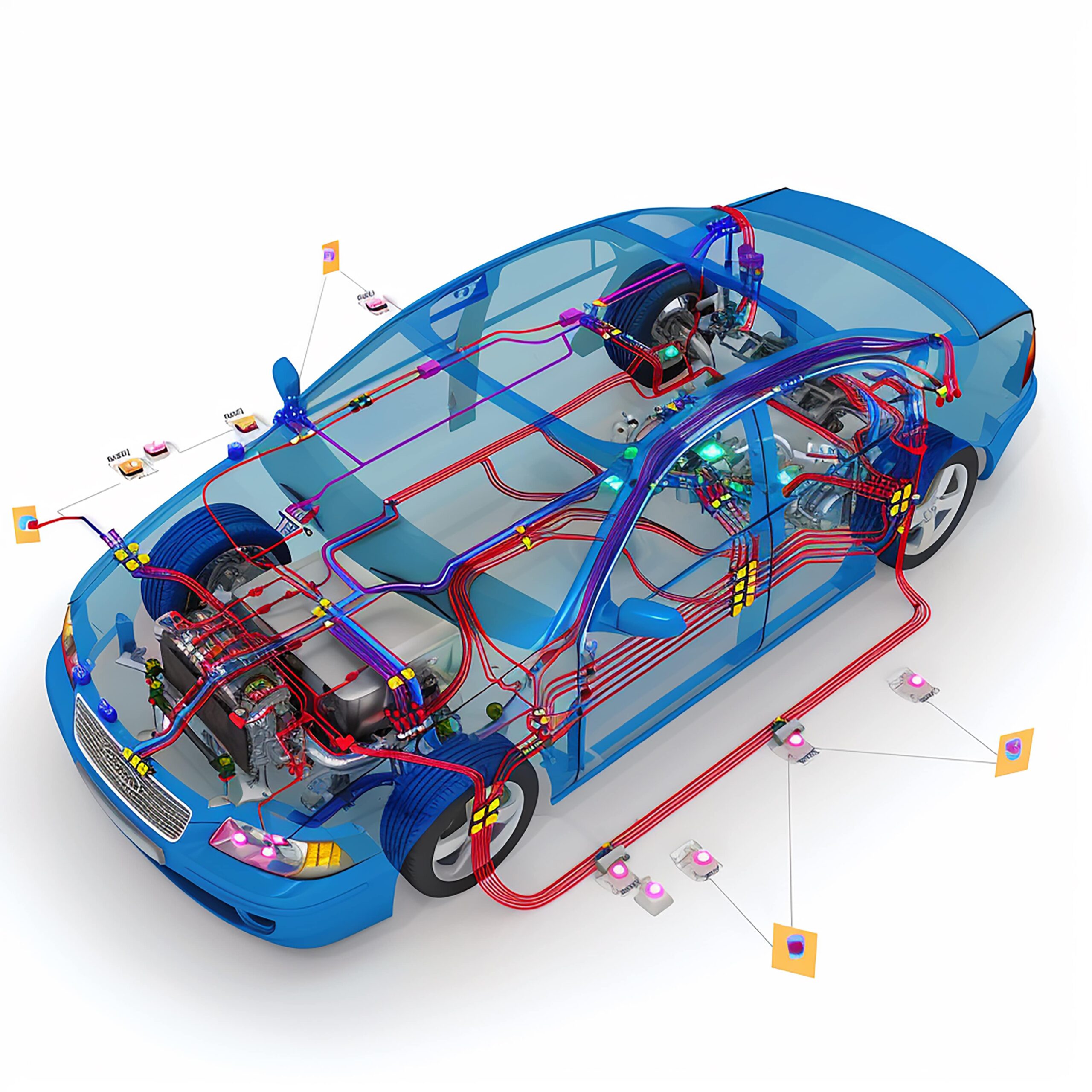
The EV market is accelerating globally, and batteries are the backbone of this revolution. In 2025, the EV battery supply chain is evolving rapidly, driven by technological innovation, rising demand, and global market dynamics. Here’s a closer look at the key trends, challenges, and what the future holds.
Emerging Trends in EV Battery Supply Chain
Battery manufacturing is increasingly being localized to reduce dependency on imports and mitigate geopolitical risks. Countries like India, the U.S., and those in Europe are establishing gigafactories to meet growing demand. Meanwhile, new battery chemistries such as lithium-iron-phosphate (LFP), solid-state, and sodium-ion technologies are gaining traction. Strategic partnerships and vertical integration between automakers, battery suppliers, and raw material producers are becoming the norm to ensure supply security and cost efficiency.
Challenges in Raw Material and Sustainability
The surge in EV adoption has led to raw material shortages and price volatility, particularly for lithium, nickel, and cobalt. Sourcing these materials ethically while complying with environmental and social standards is a growing concern. Companies are under increasing pressure to ensure transparency, responsible mining practices, and sustainable supply chains, all while maintaining production efficiency and cost-effectiveness.
Logistics, Geopolitical Risks, and Resilience
Global supply chains face challenges from shipping disruptions, trade restrictions, and regional conflicts. Maintaining a resilient logistics network is essential to ensure uninterrupted production and distribution. Diversification of suppliers, investment in local manufacturing, and integration of recycling initiatives are key strategies to strengthen the supply chain and reduce vulnerability to global uncertainties.
Conclusion: Building a Resilient and Sustainable EV Future
The EV battery supply chain in 2025 is at a critical juncture. By embracing localized manufacturing, innovative battery technologies, and sustainable sourcing, automakers can secure a competitive edge. Companies that proactively address supply chain challenges and invest in resilience will play a pivotal role in shaping the global EV market and driving the transition toward cleaner, smarter mobility.
Share this content:


Post Comment