Electric Car Price in India 2026: Latest EV Prices, Features, Range & Best Models

Electric vehicles (EVs) are becoming increasingly popular in India as fuel prices continue to rise and charging infrastructure expands across major cities and highways. With better battery technology, improved driving range, lower maintenance costs, and attractive government incentives, electric cars are now a practical choice for daily commuters, families, and long-distance travelers alike.
In 2026, Indian buyers have more options than ever before. From budget-friendly city cars to premium electric SUVs and luxury EVs, manufacturers are offering models across every price segment. However, selecting the right electric car requires more than simply comparing prices. Buyers should evaluate driving range, charging time, battery warranty, safety features, running costs, resale value, and after-sales service before making a decision.
This guide covers the latest electric car prices in India, the best EVs for every budget, long-range models, upcoming launches, charging costs, government incentives, and expert buying tips to help you choose the right electric vehicle.
Electric Car Price List in India 2026
| Electric Car | Ex-Showroom Price (Approx.) | Certified Range | Fast Charging |
|---|---|---|---|
| MG Comet EV | ₹7–10 Lakh | 230 km | No |
| Tata Tiago EV | ₹8–12 Lakh | Up to 315 km | Yes |
| Tata Punch EV | ₹10–15 Lakh | Up to 421 km | Yes |
| Tata Nexon EV | ₹13–18 Lakh | Up to 489 km | Yes |
| Mahindra XUV400 EV | ₹16–18 Lakh | Up to 456 km | Yes |
| MG Windsor EV | ₹15–18 Lakh | 330–380 km | Yes |
| Hyundai Creta Electric | ₹18–25 Lakh* | 450+ km* | Yes |
| BYD Atto 3 | ₹25–35 Lakh | Up to 521 km | Yes |
| Hyundai Ioniq 5 | ₹45–50 Lakh | Up to 631 km | Ultra Fast |
| Kia EV6 | ₹60 Lakh+ | 650+ km | Ultra Fast |
Cheapest Electric Cars in India
The entry-level EV segment has grown significantly, making electric mobility affordable for first-time buyers. Budget electric cars offer low running costs, easy city driving, and minimal maintenance while still providing modern features such as touchscreen infotainment, connected technology, regenerative braking, and automatic transmission.
The MG Comet EV is ideal for short city commutes due to its compact dimensions and affordable price. The Tata Tiago EV is one of India’s best-selling electric hatchbacks, offering better range and practicality for daily use. Buyers looking for SUV styling at an affordable price can consider the Tata Punch EV, which combines a spacious cabin with one of the longest ranges in its segment.
Best Electric Cars by Budget
Choosing an electric car becomes easier when you define your budget first.
Under ₹10 Lakh
This segment is perfect for city commuters who want affordable ownership and low charging costs. Vehicles in this category focus on efficiency, compact dimensions, and ease of driving.
Under ₹15 Lakh
Buyers receive significantly better battery capacity, longer driving range, additional safety equipment, and premium features. The Tata Punch EV has become one of the strongest choices in this price range.
Under ₹20 Lakh
This segment offers family-friendly electric SUVs with improved performance, faster charging capabilities, and excellent highway comfort. Models like the Tata Nexon EV and Mahindra XUV400 provide outstanding value.
Above ₹20 Lakh
Premium buyers can choose from feature-rich SUVs and luxury electric cars that offer exceptional comfort, advanced driver assistance systems, premium interiors, panoramic sunroofs, ultra-fast charging, and driving ranges exceeding 500 km.
Best Electric SUVs in India
Electric SUVs have become the preferred choice for Indian families because they offer higher ground clearance, spacious interiors, better road presence, and long driving ranges.
Popular options include the Tata Nexon EV for overall value, the Mahindra XUV400 for performance and cabin space, the BYD Atto 3 for premium features, and luxury models such as the Hyundai Ioniq 5 and Kia EV6, which combine advanced technology with outstanding comfort and long-distance capability.
Best Long-Range Electric Cars
Driving range remains one of the most important considerations when purchasing an EV. Fortunately, battery technology has improved significantly, allowing several modern electric cars to travel well over 500 km on a single charge.
The Tata Nexon EV offers one of the best combinations of affordability and range, while the BYD Atto 3 provides excellent long-distance capability. Buyers seeking premium options can explore the Hyundai Ioniq 5 and Kia EV6, both of which deliver impressive range, rapid charging, and advanced safety features suitable for frequent highway travel.
Upcoming Electric Cars in India 2026
India’s EV market is expected to expand rapidly during 2026, with several manufacturers introducing new electric hatchbacks, compact SUVs, premium sedans, and luxury electric vehicles.
Upcoming models are expected to feature larger battery packs, improved energy efficiency, faster charging speeds, connected-car technology, AI-powered infotainment systems, and enhanced safety features. Increased competition among manufacturers is also expected to make electric vehicles more affordable while offering better value across different price segments.
Key Features to Consider Before Buying an Electric Car
Buying an electric vehicle requires evaluating several factors beyond the purchase price. Battery capacity directly affects driving range, while charging speed determines how quickly the vehicle can be recharged during long journeys. Buyers should also compare battery warranty, safety ratings, after-sales service, resale value, connected-car technology, and the availability of charging infrastructure in their area.
Interior comfort, boot space, digital displays, wireless smartphone connectivity, climate control, and advanced driver assistance systems also contribute significantly to the overall ownership experience.
Running Cost vs Petrol Car
One of the biggest advantages of owning an electric car is the lower cost of daily operation. Charging an EV at home generally costs only a fraction of what it takes to refuel a petrol vehicle for the same distance. In addition, electric cars require less maintenance because they have fewer moving parts and do not need regular engine oil changes, clutch replacements, or exhaust system repairs.
Over several years of ownership, these savings can substantially reduce the total cost of owning an electric vehicle compared with a conventional petrol car.
Charging Cost in India
Charging costs vary depending on battery size and electricity tariffs. Home charging remains the most economical option and allows owners to conveniently recharge their vehicles overnight. Public fast chargers are more expensive than residential charging but significantly reduce charging time, making them ideal for long-distance travel.
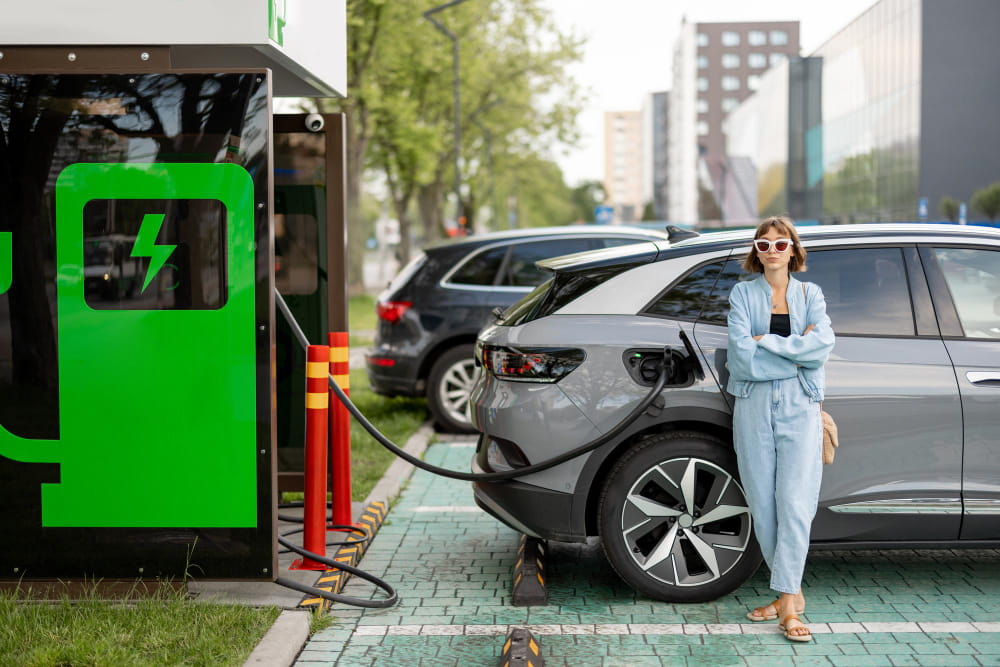
As India’s charging network continues to expand across cities, highways, shopping malls, and office complexes, charging an electric car is becoming increasingly convenient for both urban and intercity drivers.
Government Subsidies and EV Incentives
Government policies continue to encourage electric vehicle adoption through various financial incentives and tax benefits. While central subsidy programs have evolved, several state governments still offer benefits such as reduced registration charges, exemptions from road tax, purchase incentives, and support for installing charging infrastructure.
Because these benefits differ by state and may change over time, buyers should always verify the latest incentives available in their location before making a purchase.
How to Choose the Right Electric Car
Selecting the right electric car depends on your daily driving distance, budget, family size, and charging availability. Buyers who primarily drive within cities may find an affordable compact EV sufficient, while those who frequently travel long distances should prioritize higher battery capacity and fast-charging capability.
Families should consider cabin space, safety features, luggage capacity, and rear-seat comfort. Business users may value lower running costs and reliability, while technology enthusiasts may prefer models equipped with advanced infotainment systems, connected features, and over-the-air software updates. Comparing warranty coverage, service network, and resale value will ensure a more satisfying long-term ownership experience.
Frequently Asked Questions (FAQs)
Which is the cheapest electric car in India in 2026?
The MG Comet EV and Tata Tiago EV are among the most affordable electric cars currently available in India.
Which electric car offers the longest range?
Premium models such as the Hyundai Ioniq 5, Kia EV6, and BYD Atto 3 offer some of the longest certified driving ranges available in the Indian market.
How much does it cost to charge an electric car?
Home charging generally costs significantly less than refuelling a petrol car, although the exact amount depends on the battery size and local electricity tariff.
Is buying an electric car worth it?
For most Indian buyers, electric cars provide lower running costs, reduced maintenance, quieter driving, and long-term savings, making them an increasingly attractive alternative to petrol and diesel vehicles.
How long does an EV battery last?
Most modern electric vehicles come with a battery warranty of around eight years or 160,000 kilometres, and many batteries continue performing well beyond the warranty period.
Conclusion
India’s electric vehicle market has matured rapidly, offering buyers an impressive range of affordable hatchbacks, practical family SUVs, premium crossovers, and luxury electric cars. Whether your priority is a low purchase price, long driving range, advanced technology, or premium comfort, there is now an electric vehicle available for almost every budget and lifestyle.
Before making your purchase, compare not only the electric car price in India but also the battery warranty, real-world range, charging costs, safety features, service network, and long-term ownership expenses. A well-informed decision today can help you enjoy lower running costs, a cleaner driving experience, and better value for many years to come.
Share this content:
Post Comment