Electric Car Maintenance Cost in India 2026: Is It Really Cheaper Than Petrol Cars?
Is Owning an EV Really Cheaper?
Electric cars are becoming increasingly popular in India as fuel prices continue to rise and consumers look for more economical and environmentally friendly transportation options. While most buyers focus on the purchase price and charging costs, one important factor often overlooked is maintenance cost.
A common question among potential EV buyers is whether electric cars are actually cheaper to maintain than petrol or diesel vehicles. The answer is generally yes, but understanding why requires a closer look at how electric vehicles work and what maintenance they require over time.
Why Electric Cars Have Lower Maintenance Costs
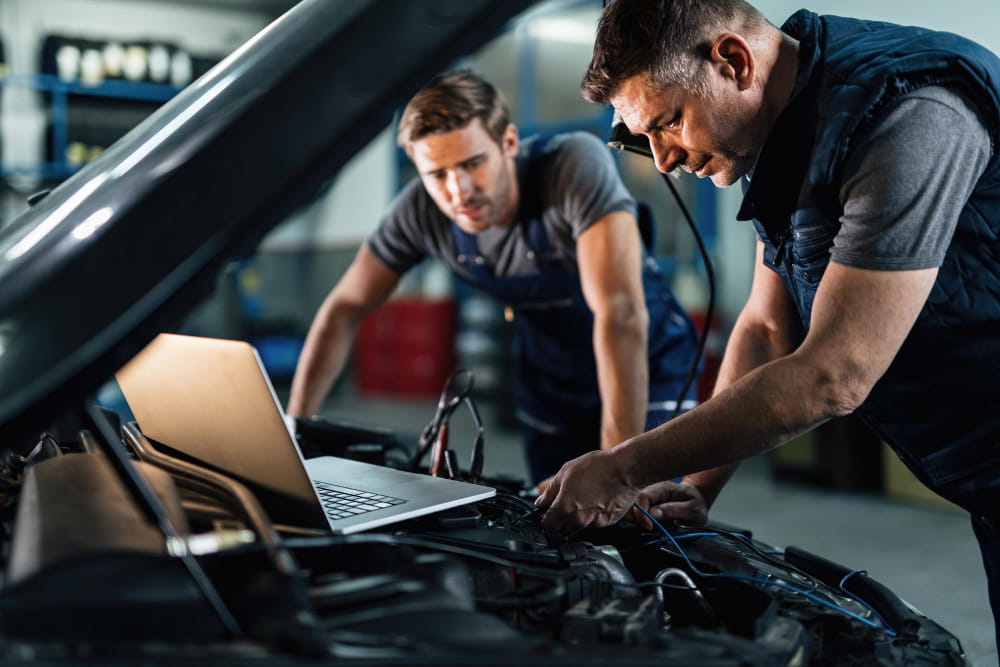
The biggest reason electric cars cost less to maintain is their simpler mechanical design.
A traditional petrol or diesel vehicle contains hundreds of moving engine components that experience wear and tear over time. Engine oil, filters, spark plugs, timing belts, fuel injectors, clutches, and exhaust systems require regular servicing and replacement.
Electric cars eliminate many of these components entirely. Instead of an internal combustion engine, they use an electric motor powered by a battery pack. Since electric motors have far fewer moving parts, there are fewer components that can fail or require routine maintenance.
This simplicity significantly reduces servicing requirements and lowers long-term ownership costs.
What Maintenance Does an Electric Car Require?
Although electric vehicles require less maintenance, they are not completely maintenance-free.
Regular inspections are still necessary to ensure optimal performance and safety. EV owners should monitor tire condition, brake systems, suspension components, battery health, cooling systems, and software updates.
Because electric vehicles are generally heavier than conventional cars due to their battery packs, tire maintenance becomes particularly important. Proper tire pressure and wheel alignment can improve efficiency and extend tire life.
Manufacturers also recommend periodic inspections of the battery cooling system and electrical connections to maintain reliability and performance.
Battery Maintenance: The Biggest Concern for EV Owners
When discussing electric car maintenance costs in India, battery health is often the primary concern.
Modern EV batteries are designed to last many years and are protected by sophisticated battery management systems. Most manufacturers provide battery warranties ranging from eight years to over 1,50,000 kilometers, depending on the model.
Unlike earlier generations of electric vehicles, modern lithium-ion batteries degrade gradually rather than failing suddenly. Most owners experience only a modest reduction in driving range after several years of use.
Proper charging habits, avoiding extreme temperatures, and following manufacturer recommendations can help maximize battery lifespan and reduce long-term ownership costs.
Brake Maintenance Is Often Cheaper
Electric vehicles use regenerative braking technology, which helps slow the car while recovering energy and sending it back to the battery.
Because regenerative braking reduces reliance on traditional brake pads and discs, these components experience less wear than in conventional vehicles.
As a result, brake pads often last significantly longer in electric cars, reducing maintenance expenses and replacement frequency.
For many EV owners, this becomes one of the most noticeable maintenance savings over time.
No Engine Oil Changes or Fuel System Repairs
One of the most significant financial advantages of electric cars is the elimination of routine engine-related servicing.
Petrol and diesel vehicles require regular engine oil changes, oil filter replacements, air filter servicing, fuel filter maintenance, and other engine-related inspections.
Electric cars eliminate these recurring expenses entirely. Since there is no engine combustion process, owners do not need to worry about oil degradation, fuel contamination, spark plug replacements, or exhaust system repairs.
Over several years of ownership, these avoided maintenance costs can result in substantial savings.
Comparing EV and Petrol Car Maintenance Costs
The maintenance difference becomes clearer when comparing ownership over several years.
A conventional petrol vehicle requires multiple annual services that include oil changes, filter replacements, engine inspections, and fuel system maintenance.
An electric car primarily requires inspections, tire maintenance, brake checks, coolant monitoring, and software updates.
As a result, annual maintenance costs for electric cars are often considerably lower than those of comparable petrol vehicles.
The savings become even more significant for drivers who cover higher annual distances, as conventional vehicles typically require more frequent servicing under heavy usage conditions.
Software Updates and Advanced Diagnostics
Modern electric vehicles are highly software-driven.
Many manufacturers regularly release software updates that improve battery efficiency, charging performance, driving range, safety systems, and user experience.
Some EVs can receive updates remotely, reducing the need for service center visits. Advanced onboard diagnostic systems also help identify potential issues early, preventing expensive repairs and minimizing downtime.
This technology-focused approach is one reason electric vehicles often require fewer mechanical interventions throughout their lifespan.
Factors That Can Affect Electric Car Maintenance Costs
Although EV maintenance is generally lower, several factors can influence ownership expenses.
Driving habits play a major role. Aggressive acceleration and frequent high-speed driving can increase tire wear and reduce battery efficiency.
Climate conditions may also affect maintenance requirements. Vehicles operating in extremely hot environments may place greater demands on battery cooling systems.
The availability of authorized service centers, spare parts, and trained technicians can also impact maintenance costs depending on the vehicle brand and location.
As India’s EV infrastructure continues to expand, maintenance accessibility is expected to improve further.
Long-Term Ownership Benefits of Electric Vehicles
One of the strongest arguments for EV adoption is lower total cost of ownership.
While the initial purchase price of an electric vehicle may sometimes be higher than a comparable petrol car, reduced fuel costs and lower maintenance expenses often help offset the difference over time.
Owners benefit from fewer service appointments, reduced repair risks, lower routine maintenance requirements, and improved energy efficiency.
For drivers who keep their vehicles for many years, these cumulative savings can become substantial.
Is an Electric Car Worth It for Indian Buyers?
For many Indian consumers, the answer is increasingly yes.
With rising fuel prices, improving charging infrastructure, and growing model availability, electric vehicles offer an attractive ownership experience. Their simplified mechanical systems reduce maintenance requirements, while lower operating costs improve affordability over the long term.
Buyers who primarily drive within cities and have access to convenient charging often experience the greatest financial benefits.
Conclusion
Electric car maintenance costs in India are generally much lower than those of petrol and diesel vehicles. The absence of engine oil changes, fuel system servicing, clutch replacements, and many other traditional maintenance tasks significantly reduces ownership expenses.
While battery health, tire maintenance, and periodic inspections remain important, electric vehicles require fewer routine services and typically spend less time in workshops. Combined with lower charging costs, these maintenance savings make EVs an increasingly cost-effective choice for Indian drivers.
As electric vehicle technology continues to improve and charging infrastructure expands across the country, EV ownership is expected to become even more affordable and practical in the years ahead.
Share this content:
Post Comment