How to Increase Electric Car Battery Life: Tips to Extend EV Battery Performance
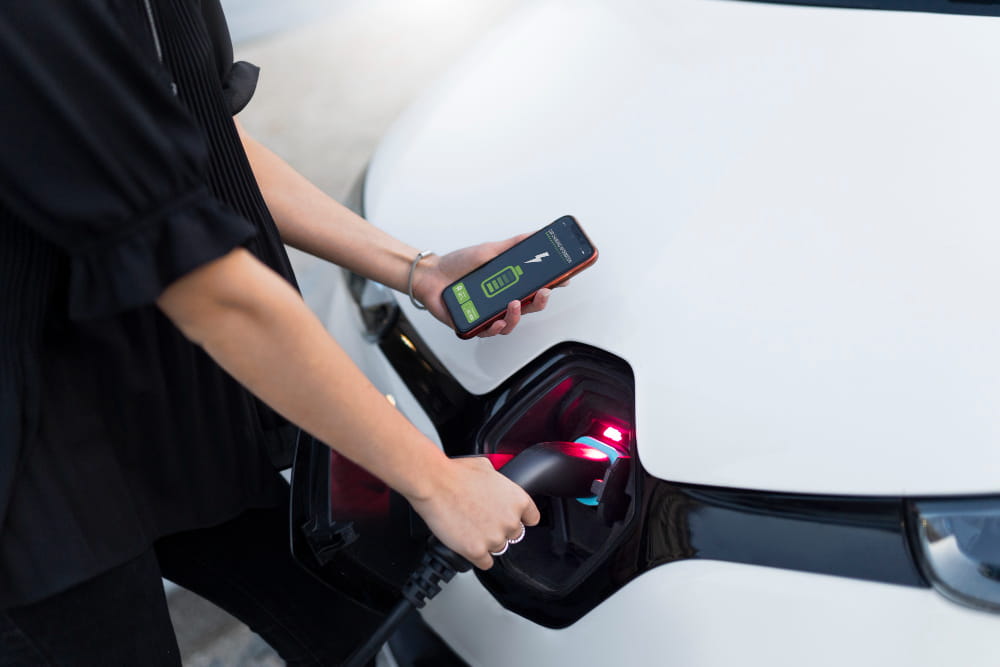
Electric vehicles have become increasingly popular due to their lower running costs, environmental benefits, and advanced technology. However, the battery remains the most expensive component of an electric car, making battery health a major concern for owners.
Although modern EV batteries are designed to last for many years, their lifespan depends heavily on how owners use and maintain them. By following proper charging habits and avoiding certain practices, drivers can significantly slow battery degradation and maintain strong performance over the long term.
Why Electric Car Battery Life Matters
The battery directly affects an electric vehicle’s driving range, charging efficiency, performance, and resale value. A healthy battery allows drivers to travel longer distances on a single charge and reduces the chances of expensive repairs or replacements in the future.
Since battery replacement costs can be substantial, maintaining battery health helps reduce overall ownership expenses. Good battery condition also improves resale value because buyers often pay close attention to battery performance before purchasing a used electric vehicle.
Understanding How EV Batteries Degrade
Most electric cars use lithium-ion battery technology. Like all rechargeable batteries, lithium-ion cells gradually lose some capacity over time because of natural chemical reactions that occur during charging and discharging.
Battery degradation does not happen suddenly. Instead, it occurs slowly over several years of usage. Most modern electric vehicles retain a large percentage of their original battery capacity even after extensive use. However, certain factors can accelerate this aging process and reduce long-term performance.
Temperature, charging habits, driving style, and maintenance practices all play an important role in determining battery lifespan.
Avoid Charging Your EV to 100% Every Day
Many EV owners believe that charging the battery to full capacity every day is beneficial. In reality, keeping lithium-ion batteries at maximum charge for extended periods can increase stress on the battery cells.
For regular daily driving, maintaining the battery charge between moderate levels often helps preserve long-term health. A full charge becomes more useful when planning long-distance travel that requires additional driving range.
Adopting this simple habit can significantly reduce battery wear over time.
Do Not Frequently Let the Battery Reach Very Low Levels
Just as keeping the battery fully charged can increase stress, repeatedly allowing the battery to become nearly empty can also affect its longevity.
Deep discharges place additional strain on battery cells and may contribute to faster degradation. Charging the vehicle before the battery reaches critically low levels helps maintain healthier operating conditions.
Most modern electric vehicles include battery management systems that prevent severe damage, but responsible charging habits can still improve overall lifespan.
Limit Excessive Fast Charging
Fast charging technology has made electric vehicles far more convenient, especially during long journeys. However, frequent use of high-speed charging generates additional heat inside the battery.
Heat remains one of the biggest factors responsible for battery aging. While occasional use of fast chargers is perfectly acceptable, relying on them every day may gradually accelerate battery degradation.
For routine charging needs, home charging or slower charging methods often provide a better balance between convenience and battery health.
Protect Your Electric Car from Extreme Temperatures
Temperature has a major impact on battery performance and longevity. Extremely hot weather can accelerate chemical aging inside battery cells, while very cold conditions can temporarily reduce efficiency and driving range.
Whenever possible, owners should park their vehicles in shaded areas or covered parking spaces, particularly during summer months. Charging the vehicle during cooler periods of the day can also help reduce thermal stress.
Modern electric vehicles increasingly feature advanced thermal management systems, but avoiding prolonged exposure to extreme temperatures remains beneficial.
Adopt Smooth Driving Habits
Driving behavior also influences battery health. Aggressive acceleration, high-speed driving, and sudden braking place additional demands on the battery and generate more heat.
Smooth and efficient driving not only improves energy efficiency but may also help extend battery life over time. Maintaining steady speeds and avoiding unnecessary acceleration can contribute to healthier battery performance.
Keep Vehicle Software Updated
Electric vehicles rely heavily on software to manage battery charging, cooling systems, and energy efficiency.
Manufacturers regularly release software updates that improve battery management algorithms and optimize charging strategies. Installing these updates ensures that the vehicle continues operating under the latest efficiency improvements.
Software improvements may also enhance range estimates, charging performance, and thermal management capabilities.
Avoid Leaving the Car Unused for Long Periods
Long-term storage can also affect battery health if the vehicle remains either fully charged or completely discharged for extended periods.
If an electric vehicle will remain unused for several weeks, maintaining a moderate charge level usually helps protect battery condition. Checking the vehicle periodically and avoiding extreme charge levels during storage can support long-term battery health.
Common Mistakes That Reduce Battery Life
Many EV owners unknowingly shorten battery lifespan through everyday habits. Frequent fast charging, constant charging to full capacity, prolonged exposure to direct sunlight, and ignoring software updates can gradually accelerate battery degradation.
Poor charging habits may not produce immediate effects, but they can influence battery performance significantly over several years of ownership.
Understanding these factors allows owners to make better decisions and preserve battery health for a much longer period.
How Long Do Electric Car Batteries Last?
Modern electric vehicle batteries are remarkably durable. Most manufacturers now provide battery warranties that extend for several years, reflecting growing confidence in battery technology.
Real-world studies have shown that many EV batteries continue to perform efficiently even after extensive use. Actual lifespan depends on several variables, including climate conditions, charging patterns, driving habits, and overall maintenance.
With proper care, an electric car battery can remain reliable for many years before noticeable degradation becomes a concern.
Future Battery Technologies Could Improve Lifespan Further
Battery technology continues to evolve rapidly. Manufacturers and researchers are investing heavily in next-generation solutions that could significantly improve durability and charging performance.
Innovations such as solid-state batteries, advanced cooling systems, improved battery chemistry, and artificial intelligence-based battery management may dramatically reduce degradation rates in future electric vehicles.
These advancements could make electric vehicles even more practical and cost-effective for consumers.
Conclusion
Electric car batteries are designed to deliver long-term performance, but owner habits still play a major role in determining their lifespan.
Simple practices such as avoiding excessive fast charging, maintaining moderate charge levels, protecting the vehicle from extreme temperatures, and driving smoothly can significantly improve battery health.
As electric vehicle technology continues to advance, proper battery care will help owners enjoy better driving range, lower ownership costs, and improved vehicle performance for many years. Taking care of the battery today can ultimately lead to a more reliable and economical electric vehicle ownership experience in the future.
Share this content:

Post Comment