Battery Recycling: Process, Benefits, Challenges, and Future
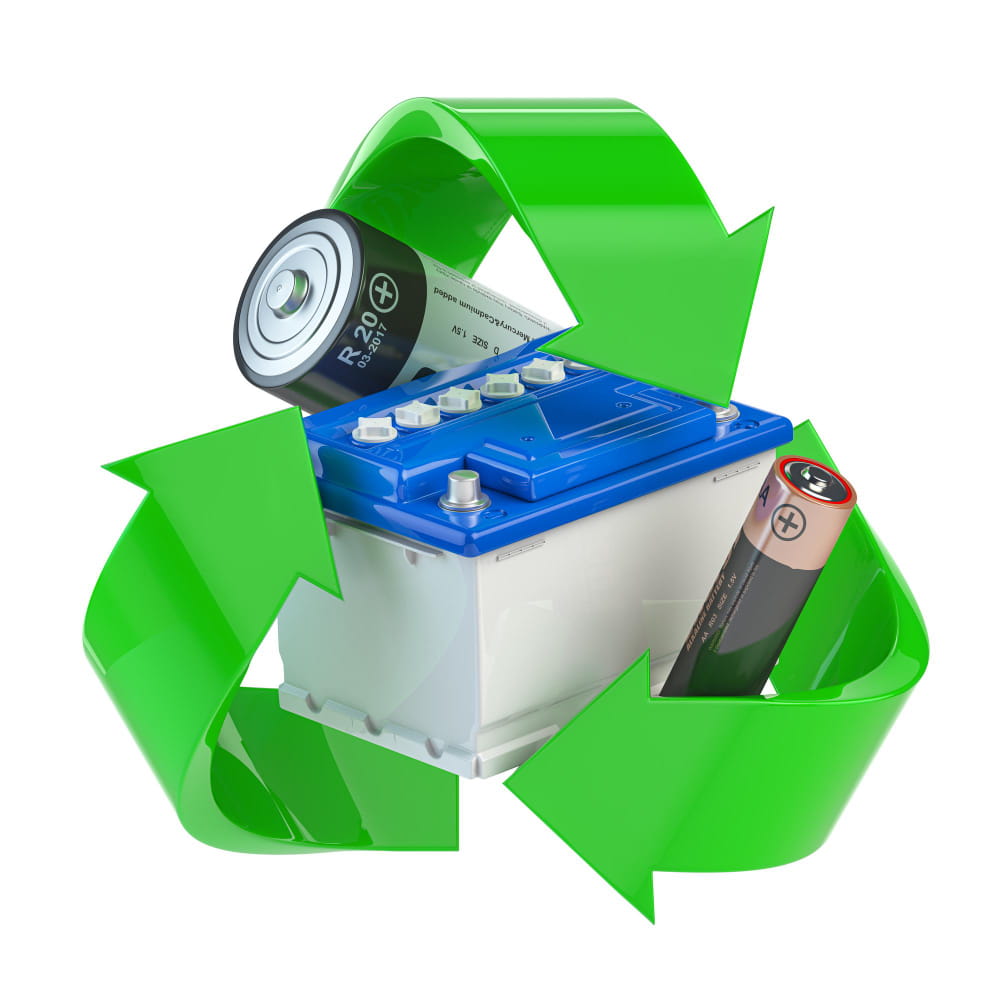
Battery recycling has become one of the most important environmental practices in today’s world. As the demand for electric vehicles (EVs), smartphones, laptops, renewable energy storage systems, and portable electronic devices continues to grow, millions of batteries reach the end of their useful life every year. Proper battery recycling helps recover valuable materials, reduces environmental pollution, and supports a more sustainable future.
Instead of disposing of used batteries in landfills, recycling facilities recover materials such as lithium, cobalt, nickel, copper, lead, and aluminum. Manufacturers can reuse these materials to produce new batteries and other industrial products. This process reduces the need for mining and conserves natural resources.
In this guide, you’ll learn everything about battery recycling, including how it works, why it matters, its environmental benefits, the challenges involved, and the future of battery recycling.
What Is Battery Recycling?
Battery recycling is the process of collecting, sorting, processing, and recovering valuable materials from used or end-of-life batteries. The recovered materials can then be refined and reused to manufacture new batteries or other products.
Modern batteries contain valuable metals that require significant resources to mine. Recycling allows these materials to remain in circulation, supporting a circular economy while reducing waste.
Battery recycling applies to several battery types, including:
- Lithium-ion batteries
- Lead-acid batteries
- Nickel-metal hydride (NiMH) batteries
- Nickel-cadmium (NiCd) batteries
- Rechargeable household batteries
Each battery type requires specialized recycling methods because of differences in chemical composition and safety requirements.
Why Is Battery Recycling Important?
Battery recycling plays a vital role in protecting the environment and conserving valuable resources. As battery production increases worldwide, responsible recycling becomes more important than ever.
One of the biggest advantages of battery recycling is resource conservation. Batteries contain limited natural resources such as lithium, cobalt, and nickel. Recycling reduces the need to extract these materials through mining, which helps preserve natural ecosystems.
Another important benefit is pollution prevention. Improper battery disposal may release harmful substances into soil and water. Recycling ensures these materials remain safely contained and properly processed.
Battery recycling also reduces waste sent to landfills. Instead of becoming environmental hazards, used batteries become valuable sources of raw materials for future manufacturing.
Types of Batteries That Can Be Recycled
Different battery technologies require different recycling processes. Understanding these battery types helps improve proper disposal and recovery.
Lithium-Ion Batteries
Lithium-ion batteries power smartphones, laptops, power tools, electric vehicles, and renewable energy storage systems. These batteries contain valuable materials that recycling facilities can recover for reuse.
Lead-Acid Batteries
Lead-acid batteries are commonly used in conventional vehicles and backup power systems. They have one of the highest recycling rates because manufacturers can efficiently recover lead and plastic components.
Nickel-Metal Hydride Batteries
Many hybrid vehicles and rechargeable electronic devices use nickel-metal hydride batteries. Recycling helps recover nickel and other reusable metals.
Nickel-Cadmium Batteries
Nickel-cadmium batteries contain cadmium, a hazardous material that requires careful handling during recycling.
How the Battery Recycling Process Works
Battery recycling follows several carefully controlled stages to ensure safe handling and efficient material recovery.
Collection
Consumers return used batteries to collection points, retailers, service centers, or authorized recycling facilities. Proper collection prevents batteries from entering household waste streams.
Sorting
Workers sort batteries according to their chemistry, size, and condition. Accurate sorting improves recycling efficiency and ensures each battery receives the correct treatment.
Safe Discharge
Some batteries retain electrical energy after use. Recycling facilities safely discharge this remaining energy before processing the batteries.
Mechanical Processing
Machines crush or shred batteries into smaller pieces. Advanced separation systems isolate plastics, steel, copper, aluminum, and valuable battery materials.
Material Recovery
Specialized chemical and thermal processes recover lithium, cobalt, nickel, manganese, graphite, and other valuable materials. Manufacturers can refine these recovered materials for future battery production.
Manufacturing New Products
Recovered materials become raw materials for new batteries, electronic components, and industrial applications. This reduces dependence on newly mined resources.
Benefits of Battery Recycling
Battery recycling offers environmental, economic, and industrial advantages.
Conserves Natural Resources
Recycling reduces demand for mining by recovering valuable metals already available in used batteries.
Reduces Environmental Pollution
Proper recycling prevents hazardous chemicals from contaminating soil, groundwater, and ecosystems.
Supports the Circular Economy
Recovered materials remain in continuous use instead of becoming waste. This approach improves resource efficiency and reduces production costs.
Reduces Carbon Emissions
Manufacturing products from recycled materials often requires less energy than producing them from newly mined resources, helping lower greenhouse gas emissions.
Creates Employment Opportunities
Battery recycling supports jobs in collection, transportation, processing, engineering, research, and manufacturing.
Challenges in Battery Recycling
Although battery recycling continues to improve, the industry still faces several challenges.
Battery designs vary significantly between manufacturers. This makes automated recycling more difficult.
Damaged lithium-ion batteries may present fire risks during transportation and processing. Recycling facilities must follow strict safety procedures to manage these risks.
Some regions still lack sufficient recycling infrastructure. Expanding collection networks and recycling facilities will improve access and increase recycling rates.
Public awareness also remains limited. Many consumers do not know where or how to recycle batteries properly.
EV Battery Recycling
The rapid growth of electric vehicles has increased interest in EV battery recycling. Electric vehicle batteries contain valuable minerals that manufacturers can recover and reuse.
When an EV battery reaches the end of its useful life in a vehicle, technicians first evaluate whether it can serve a second purpose. Some batteries continue operating effectively in stationary energy storage systems before entering the recycling process.
After their useful life ends, recycling facilities recover lithium, cobalt, nickel, copper, and aluminum. These materials support the production of future EV batteries and reduce dependence on mining.
As electric vehicle adoption continues to increase, EV battery recycling will become a critical part of the global clean energy transition.
Battery Recycling and Sustainability
Battery recycling supports sustainable development by reducing waste and conserving valuable resources. It also strengthens the circular economy by returning recovered materials to manufacturing instead of extracting new resources.
Governments, manufacturers, and recycling companies continue investing in advanced recycling technologies to improve recovery rates and reduce environmental impacts.
A sustainable battery supply chain depends on efficient recycling systems that maximize material recovery while minimizing waste.
How You Can Recycle Batteries Responsibly
Every consumer plays an important role in battery recycling.
Store used batteries safely until you can deliver them to an authorized collection center. Avoid throwing batteries into household trash because improper disposal may create environmental and safety risks.
Follow local recycling regulations and use approved battery collection programs whenever possible. Businesses can also establish workplace battery recycling initiatives to encourage responsible disposal.
Small actions by individuals can make a significant difference when millions of batteries reach the end of their life each year.
The Future of Battery Recycling
Battery recycling technology continues to evolve rapidly. Researchers are developing more efficient methods that recover higher percentages of valuable materials while reducing processing costs.
As electric vehicle production expands worldwide, battery recycling facilities will become increasingly important. New technologies will improve lithium recovery, reduce energy consumption, and increase recycling efficiency.
Governments also continue introducing policies that encourage responsible battery collection and material recovery. These initiatives support sustainable manufacturing and reduce dependence on newly mined resources.
The future of battery recycling looks promising as industries move toward cleaner energy solutions and more sustainable manufacturing practices.
Frequently Asked Questions (FAQs)
Can lithium-ion batteries be recycled?
Yes. Recycling facilities recover valuable materials such as lithium, cobalt, nickel, copper, and aluminum from lithium-ion batteries.
Why is battery recycling important?
Battery recycling reduces environmental pollution, conserves natural resources, lowers mining demand, and supports sustainable manufacturing.
Can electric vehicle batteries be recycled?
Yes. Most EV batteries can be recycled after their useful life ends. Some may also receive a second life in energy storage applications before recycling.
What materials are recovered during battery recycling?
Common recovered materials include lithium, cobalt, nickel, copper, aluminum, graphite, steel, and lead, depending on the battery type.
Is throwing batteries into household waste safe?
No. Many batteries contain hazardous materials and should be taken to authorized recycling or collection centers instead of being placed in regular household trash.
Conclusion
Battery recycling is essential for protecting the environment, conserving valuable resources, and supporting the growing demand for electric vehicles and renewable energy systems. By recovering important materials such as lithium, cobalt, nickel, and copper, recycling reduces the need for mining and helps build a more sustainable economy.
As battery technology continues to advance, efficient recycling systems will become even more important. Whether you use batteries in consumer electronics, electric vehicles, or energy storage systems, responsible recycling helps reduce waste and supports a cleaner future.
Choosing to recycle batteries is a simple step that benefits the environment, strengthens the circular economy, and ensures valuable resources remain available for future generations.
Share this content:

Post Comment