Electric Aviation: The Next Frontier in Transportation

The transportation sector is on the brink of a revolution, and electric aviation is emerging as a promising solution for sustainable, efficient, and quiet air travel. With advancements in battery technology and electric propulsion systems, electric aircraft are poised to transform regional travel, reduce carbon emissions, and open new possibilities in urban air mobility.
Advantages of Electric Aviation
Electric aircraft offer several benefits over conventional fuel-powered planes. They produce zero in-flight emissions, contributing to cleaner skies, and significantly reduce noise pollution. Additionally, electric propulsion systems have fewer moving parts, lowering maintenance costs and increasing reliability for operators.
Challenges Facing Electric Aviation
Despite the promise, electric aviation faces hurdles. Battery energy density is still a limitation, restricting flight range and payload capacity. Developing charging or battery-swapping infrastructure at airports is another challenge, alongside the high initial costs of electric aircraft compared to traditional models.
Opportunities and Market Potential
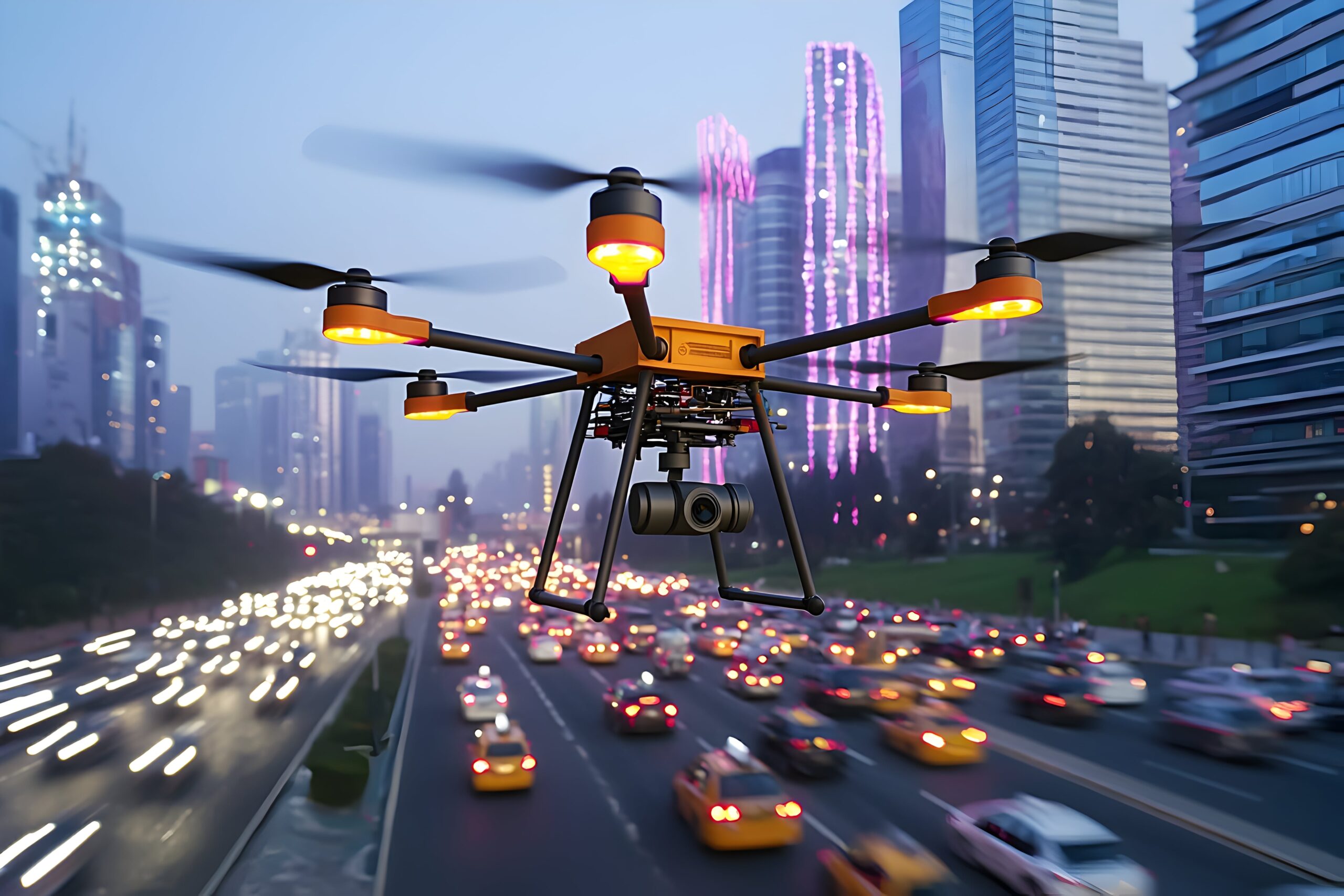
Electric aviation is expected to find its first widespread use in short-haul flights, regional air travel, and urban air mobility solutions like air taxis. Companies and governments worldwide are investing heavily in research and infrastructure, signaling strong growth potential in the coming decade.
Conclusion
Electric aviation represents a transformative shift in transportation, combining sustainability, efficiency, and innovation. While challenges remain, advancements in technology and infrastructure will likely make electric aircraft a viable solution for regional travel and urban mobility, shaping the future of air transport.
Share this content:


Post Comment