Common Electric Car Problems and Solutions
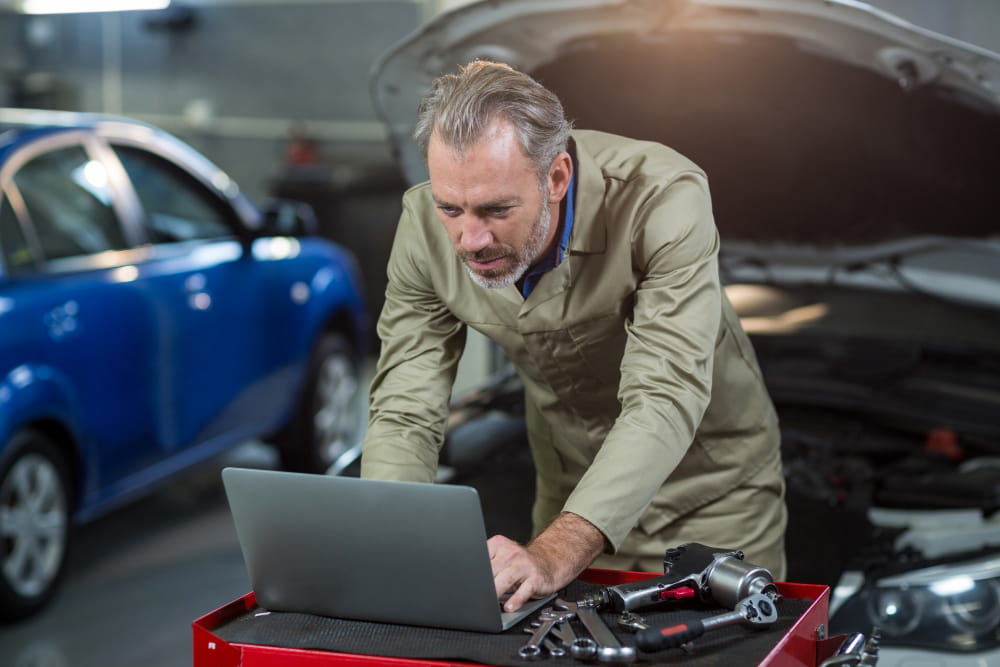
Electric cars are becoming increasingly popular as more people consider alternatives to traditional petrol and diesel vehicles. They offer quiet operation, efficient energy use, and fewer traditional engine components. However, electric vehicles (EVs) are not completely free from problems.
EVs use high-voltage batteries, electric motors, charging systems, power electronics, thermal-management systems, and software. Problems with any of these components can affect charging, driving range, performance, or reliability.
Understanding common electric car problems and their possible solutions can help owners recognise warning signs early and take appropriate action.
Reduced Driving Range
A reduction in driving range is one of the most common concerns among electric car owners. The estimated range displayed by an EV can change depending on driving and environmental conditions.
Cold or extremely hot weather, high-speed driving, aggressive acceleration, heavy use of air conditioning or heating, low tyre pressure, additional vehicle weight, and battery ageing can all affect how far an electric car travels on a charge.
Solution
Keep the tyres inflated to the recommended pressure and use heating and air conditioning efficiently. Smooth acceleration and moderate speeds can also help improve energy efficiency.
When possible, preconditioning the cabin while the vehicle is connected to a charger can reduce the amount of battery energy needed for climate control after starting a journey.
If the driving range suddenly drops significantly without an obvious reason, the battery or related electrical systems may require professional diagnosis.
Slow Charging
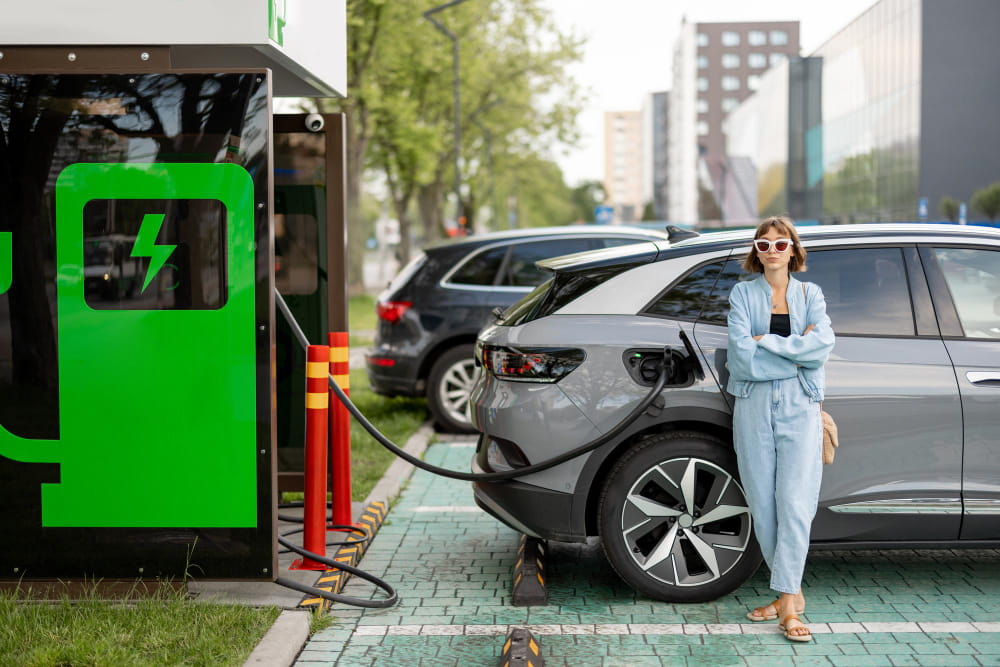
An electric car may sometimes charge more slowly than expected. Charging speed depends on several factors and does not always indicate a vehicle problem.
The charger’s maximum output, the vehicle’s charging capability, battery temperature, battery state of charge, and charging-station conditions can all influence charging speed.
Charging may also become slower when the battery approaches a high state of charge because the vehicle’s battery-management system can reduce charging power to protect the battery.
Solution
Check whether the charging equipment is compatible with the vehicle and capable of providing the expected charging power.
If charging remains unusually slow, try another compatible charging point. This can help determine whether the issue is related to the charger or the vehicle.
Persistent slow charging across multiple charging locations should be professionally inspected.
Electric Car Not Charging
Sometimes an electric car may not begin charging after being connected to a charger.
This can happen because of a loose connection, faulty charging equipment, damaged cables, charging-port problems, scheduled charging settings, communication errors, or electrical faults within the vehicle.
Solution
Disconnect the charging cable and reconnect it securely. Check the vehicle’s dashboard or display for warning messages and make sure scheduled charging settings are not preventing charging from starting.
If possible, test the vehicle with another compatible charger.
Do not continue using charging equipment if the cable, connector, or charging port appears damaged, excessively hot, burnt, or otherwise unsafe.
12-Volt Battery Problems
Electric cars contain a large high-voltage battery for propulsion, but most also use a smaller low-voltage battery to operate control modules and electrical accessories.
If the low-voltage battery becomes weak or discharged, the vehicle may experience electrical problems or may not enter its normal ready-to-drive mode even when the main battery has sufficient charge.
Possible symptoms include unresponsive electronics, warning messages, central-locking problems, or difficulty starting the vehicle’s electrical systems.
Solution
Have the low-voltage battery tested if these symptoms occur. An ageing or damaged battery may need replacement.
Any jump-starting or low-voltage battery procedures should be performed according to the instructions provided for the vehicle.
High-Voltage Battery Degradation
EV batteries naturally lose some usable capacity as they age. This gradual process is known as battery degradation.
Battery condition can be influenced by age, temperature, charging behaviour, battery chemistry, usage patterns, and the number and type of charging cycles.
Some gradual capacity loss over time is expected. However, a sudden or unusually large decrease in available capacity may indicate a problem.
Solution
Follow the recommended battery-care and charging guidelines for the vehicle. Avoid unnecessarily exposing the vehicle to extreme temperatures for extended periods when practical.
If battery capacity appears to be decreasing unusually quickly, a battery-health assessment can help identify whether there is an underlying problem.
Battery Overheating
Electric vehicle batteries operate most effectively within a controlled temperature range. EVs therefore use thermal-management systems to regulate battery and component temperatures.
Problems with cooling pumps, sensors, fans, coolant systems, or related components can cause excessive temperatures. In some situations, the vehicle may automatically reduce performance to protect its components.
Solution
Do not ignore battery-temperature warnings or messages related to the cooling system.
If the vehicle displays a serious temperature warning or noticeably limits performance, follow the vehicle’s instructions and arrange an inspection.
High-voltage battery and cooling-system repairs should be handled by appropriately trained professionals.
Software and Infotainment Problems
Modern electric cars depend heavily on software. Software may control or monitor charging, battery management, energy consumption, climate systems, driver information, and many other functions.
Drivers may occasionally experience frozen displays, inaccurate information, connectivity problems, or unexpected warning messages.
Solution
A system restart may resolve temporary software problems when the vehicle’s instructions permit it.
Keeping vehicle software updated can also help resolve known bugs and improve system stability.
Repeated errors, warning messages, or system failures should be diagnosed rather than continually reset.
Faster Tyre Wear
Electric vehicles can place significant demands on their tyres because of vehicle weight and the immediate torque produced by electric motors.
However, tyre wear also depends heavily on acceleration habits, wheel alignment, tyre pressure, road conditions, suspension condition, and tyre construction.
Solution
Check tyre pressures regularly and maintain them according to the recommended specifications.
Inspect tread depth and tyre condition periodically. Rotate tyres where recommended and have the wheel alignment checked if there is uneven wear.
Smooth acceleration and braking can also help reduce unnecessary tyre wear.
Regenerative Braking Issues
Electric cars commonly use regenerative braking to recover energy while slowing down. Instead of wasting all of the vehicle’s kinetic energy as heat, the electric motor can help slow the vehicle while returning some energy to the battery.
The strength of regenerative braking may vary depending on the vehicle’s settings, battery temperature, state of charge, and driving conditions.
Solution
Become familiar with the vehicle’s regenerative braking settings and how they affect deceleration.
Drivers should remember that electric cars still use conventional friction brakes. Brake pads, discs, fluid, and other components should therefore be inspected and maintained according to the recommended schedule.
Reduced Performance in Cold Weather
Cold temperatures can temporarily affect electric vehicle range and charging performance.
Low temperatures can reduce battery efficiency, while heating the passenger compartment and battery requires additional energy.
As a result, drivers may notice shorter range or slower charging during colder periods.
Solution
Precondition the vehicle while it is connected to a charger when this feature is available.
Where fitted, using seat or steering-wheel heating may require less energy than heavily heating the entire cabin.
For longer journeys in cold conditions, allow additional charging stops or a larger range reserve.
Charging Connector Problems
Charging connectors and ports are regularly exposed to outdoor conditions and repeated use. Dirt, moisture, physical damage, corrosion, or wear can interfere with charging.
A damaged connector may also create an electrical safety concern.
Solution
Visually inspect charging cables, connectors, and the vehicle’s charging port before use.
Keep the charging area clean according to the vehicle and charging-equipment instructions. Never insert tools or other objects into electrical contacts.
If there are signs of burning, melting, corrosion, broken components, or excessive heat, stop using the affected equipment and have it professionally inspected.
Electrical Warning Messages
An electric car can display warning lights or messages relating to the battery, electric motor, charging system, power electronics, cooling system, brakes, or other components.
Some warnings may be temporary, while others indicate faults that require immediate attention.
Solution
Check the owner’s manual or the vehicle’s on-screen instructions to understand the warning.
A warning that repeatedly returns should not simply be cleared or ignored. If the warning affects charging, braking, power, battery temperature, or the vehicle’s ability to drive normally, professional diagnosis is recommended.
Electric Motor Problems
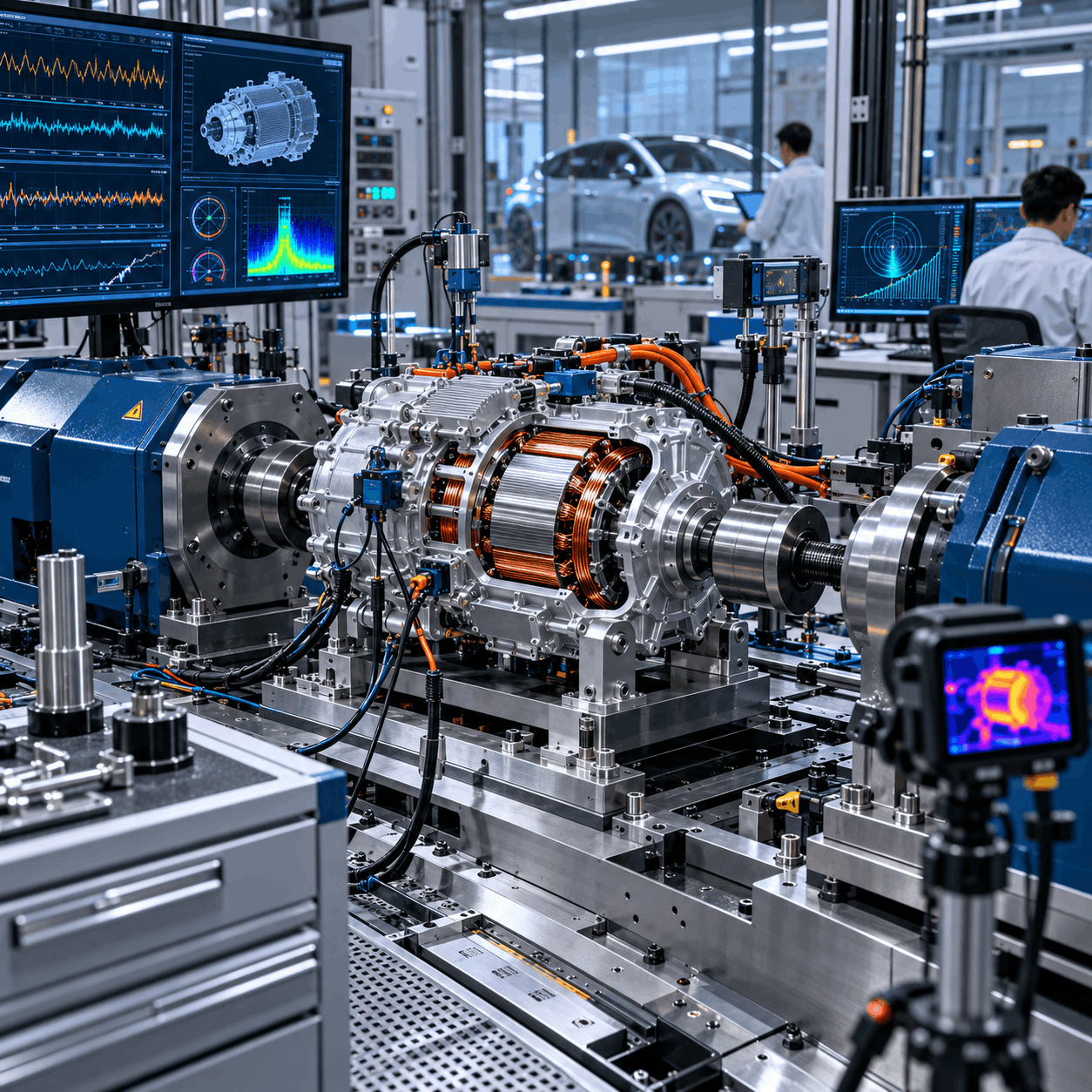
Electric motors generally have fewer moving parts than internal-combustion engines, but problems can still occur.
Bearings, sensors, electrical connections, cooling components, or other parts associated with the motor and drivetrain can develop faults.
Possible warning signs include unusual noises, vibrations, reduced acceleration, warning lights, or unexpected loss of power.
Solution
Unusual motor or drivetrain behaviour should be professionally diagnosed. High-voltage electric drivetrain components are not suitable for casual DIY repairs because of the electrical risks involved.
Charging Cable Damage
Charging cables can deteriorate through frequent use, improper storage, accidental impacts, excessive bending, or exposure to unsuitable conditions.
Damaged insulation or connectors can create both charging and safety problems.
Solution
Inspect charging cables periodically for cracks, cuts, exposed wiring, damaged pins, or overheating.
Store cables properly when they are not being used. A damaged charging cable should not be temporarily repaired with tape or other makeshift methods. It should be professionally assessed or replaced as appropriate.
Unexpected Loss of Power
In some situations, an electric car may reduce its available power. This does not always mean the electric motor has failed.
The vehicle may intentionally limit performance because of a very low battery charge, extreme battery temperature, thermal-management issue, electrical fault, or another protective system.
Solution
Pay attention to dashboard warnings and the remaining battery level. If reduced power is related to a low state of charge, safely reaching a suitable charging point may resolve the issue.
If power remains limited after charging or a serious warning appears, the vehicle should be inspected before normal driving continues.
How to Prevent Common Electric Car Problems
Preventive care can help reduce the likelihood of many EV problems. Electric car owners should check tyre condition and pressure regularly, inspect charging equipment, follow recommended maintenance intervals, keep appropriate vehicle software updated, and pay attention to changes in range or charging behaviour.
Charging habits are also important. Battery-care recommendations can vary depending on battery chemistry and vehicle design, so owners should follow the guidance provided for their particular vehicle rather than relying on a single charging rule for every EV.
Drivers should also investigate unusual noises, smells, warning messages, excessive heat, or sudden changes in vehicle performance.
Most importantly, high-voltage components should not be treated like conventional DIY automotive systems. Repairs involving the traction battery, inverter, high-voltage cables, charging electronics, or electric motor should generally be performed by properly trained technicians.
When Should an Electric Car Be Professionally Inspected?
Minor problems such as incorrect settings or low tyre pressure can often be identified relatively easily. However, certain symptoms require professional attention.
These include repeated high-voltage system warnings, sudden or significant range loss, persistent charging failures, unusual battery temperatures, burning smells, damaged charging equipment, major electrical faults, unusual drivetrain noises, or unexpected power loss.
Continuing to drive a vehicle with a serious electrical or battery warning may increase the risk of further damage or create a safety concern.
Conclusion
Electric cars use fewer traditional engine components than petrol or diesel vehicles, but they are not maintenance-free. Reduced range, charging difficulties, battery degradation, low-voltage battery problems, software faults, tyre wear, temperature-related performance changes, and electrical warnings are some of the issues EV owners may encounter.
Many common electric car problems can be reduced through regular inspections, correct tyre maintenance, appropriate charging practices, timely software updates, and attention to warning messages. Understanding how factors such as temperature, driving habits, and battery condition affect an EV can also help owners distinguish normal behaviour from potential faults.
When a problem involves high-voltage components, repeated electrical warnings, damaged charging equipment, or significant changes in battery or vehicle performance, professional diagnosis is the safest approach.
With appropriate care, sensible charging habits, and regular maintenance, electric cars can provide reliable and efficient everyday transportation for many years.
Share this content:
Post Comment