The Carbon Footprint of Traditional vs. Green Transport

As the world confronts climate change, understanding the environmental impact of different modes of transport is crucial. Traditional vehicles powered by fossil fuels contribute significantly to greenhouse gas emissions, while green transport solutions, including electric vehicles (EVs), public transit, and shared mobility, offer more sustainable alternatives.
Emissions from Traditional Transport
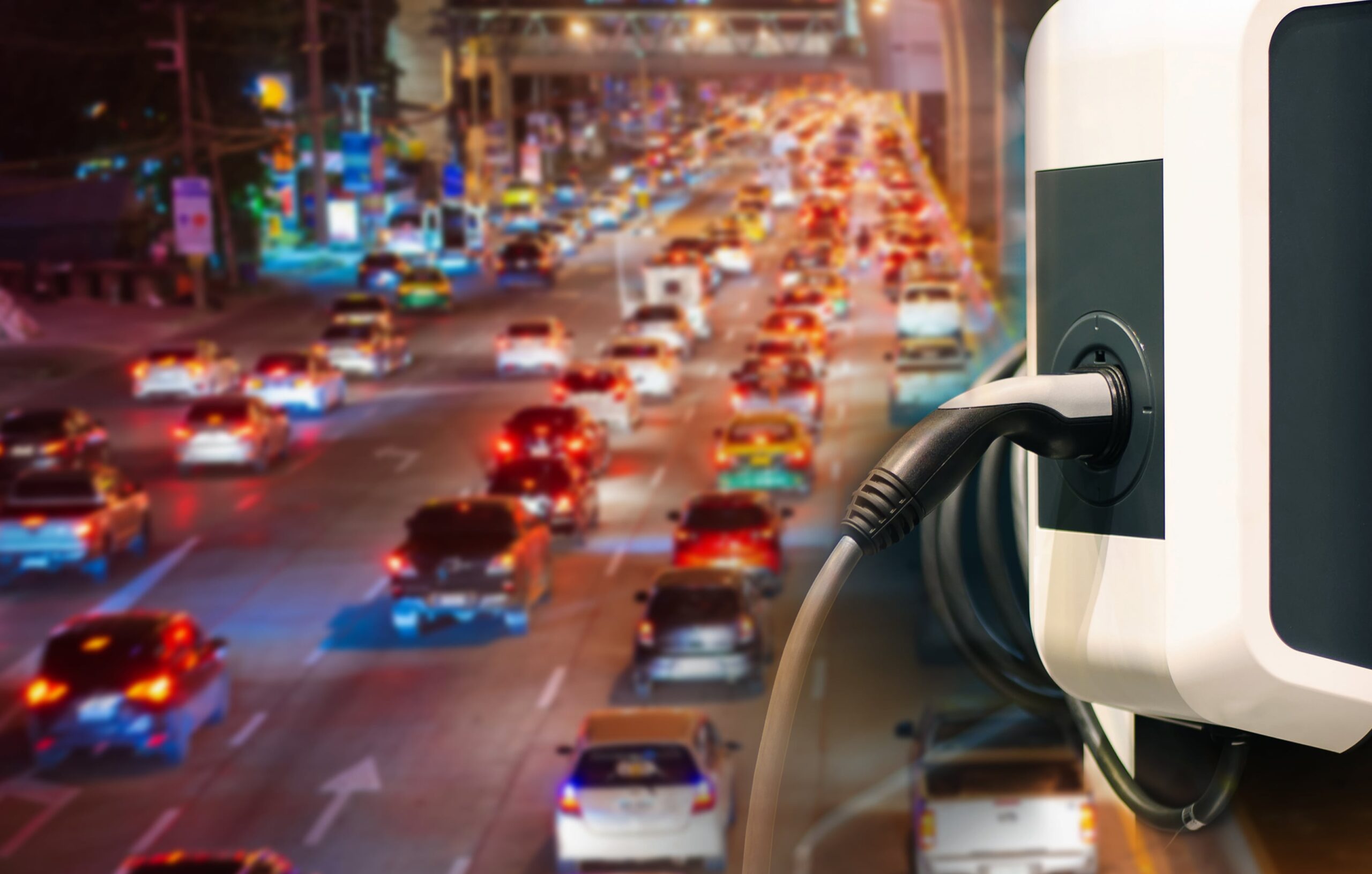
Conventional vehicles, especially petrol and diesel-powered cars, emit carbon dioxide (CO₂), nitrogen oxides (NOx), and particulate matter. These emissions not only accelerate global warming but also degrade urban air quality, contributing to respiratory illnesses and environmental pollution. The lifetime carbon footprint of a traditional vehicle includes both fuel combustion and manufacturing emissions, making them highly resource-intensive.
Green Transport and Its Advantages
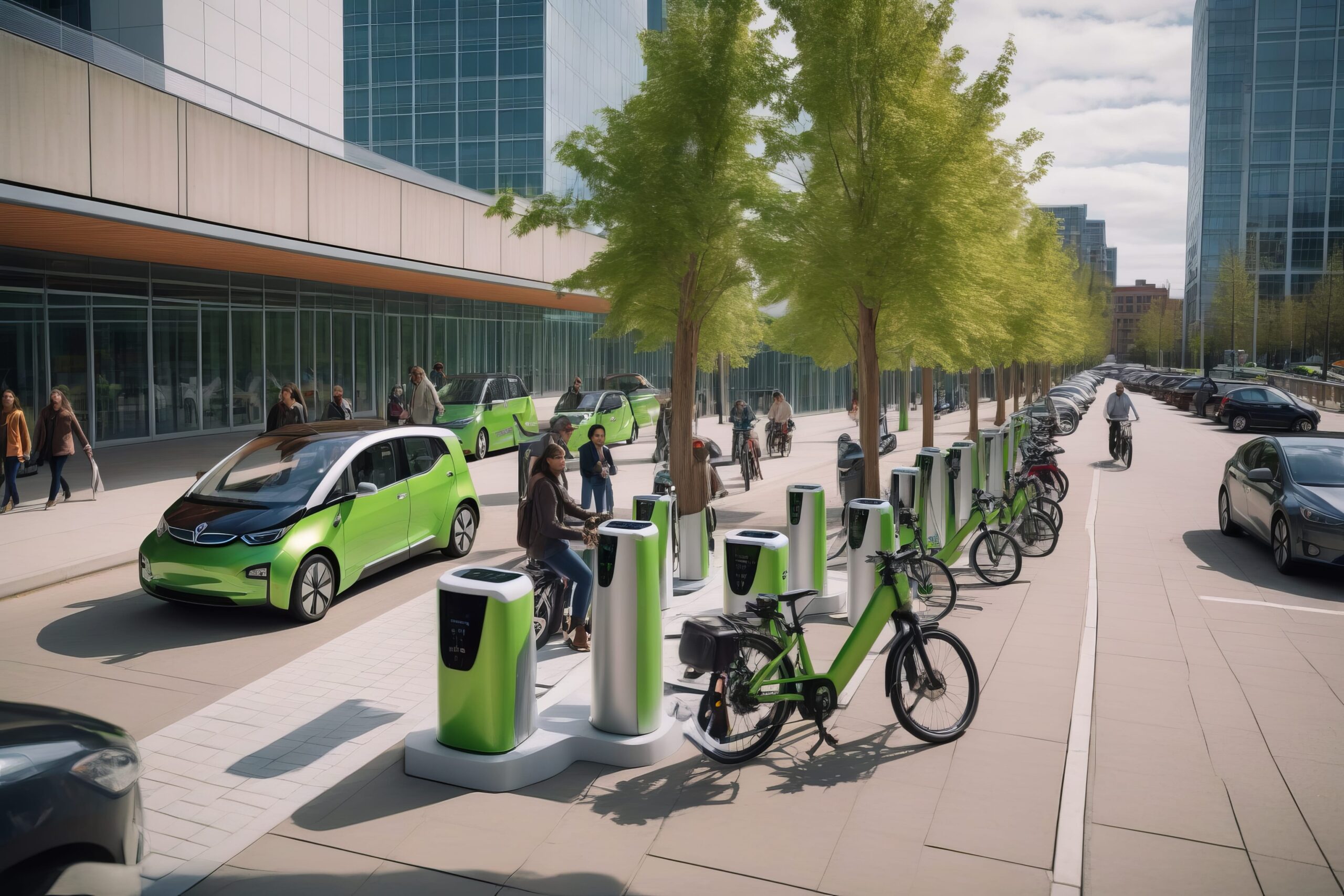
Green transport solutions, such as EVs, hybrid vehicles, e-bikes, and public transit, significantly reduce carbon footprints. EVs produce zero tailpipe emissions, and when powered by renewable energy, their overall emissions drop drastically. Shared mobility options reduce the number of vehicles on the road, decreasing congestion and cumulative emissions. Furthermore, innovations in battery recycling and sustainable vehicle manufacturing further enhance the environmental benefits of green transport.
Comparative Analysis and Long-Term Impact
While green transport may have a higher initial manufacturing footprint, especially due to battery production, the total emissions over the vehicle’s lifespan are significantly lower than traditional transport. Studies show that an electric vehicle powered by a renewable-heavy grid can reduce lifetime CO₂ emissions by 50-70% compared to a petrol car. Adopting public transit, micro-mobility solutions, and fleet electrification further multiplies environmental benefits.
Conclusion
Transitioning from traditional to green transport is not just an option—it’s a necessity for sustainable urban mobility and climate protection. By adopting electric vehicles, promoting shared mobility, and investing in renewable energy, both individuals and businesses can drastically reduce their carbon footprint and contribute to a cleaner, greener future.
Share this content:

Post Comment