Upcoming Electric Bikes in India 2026: A New Chapter in Smart Mobility
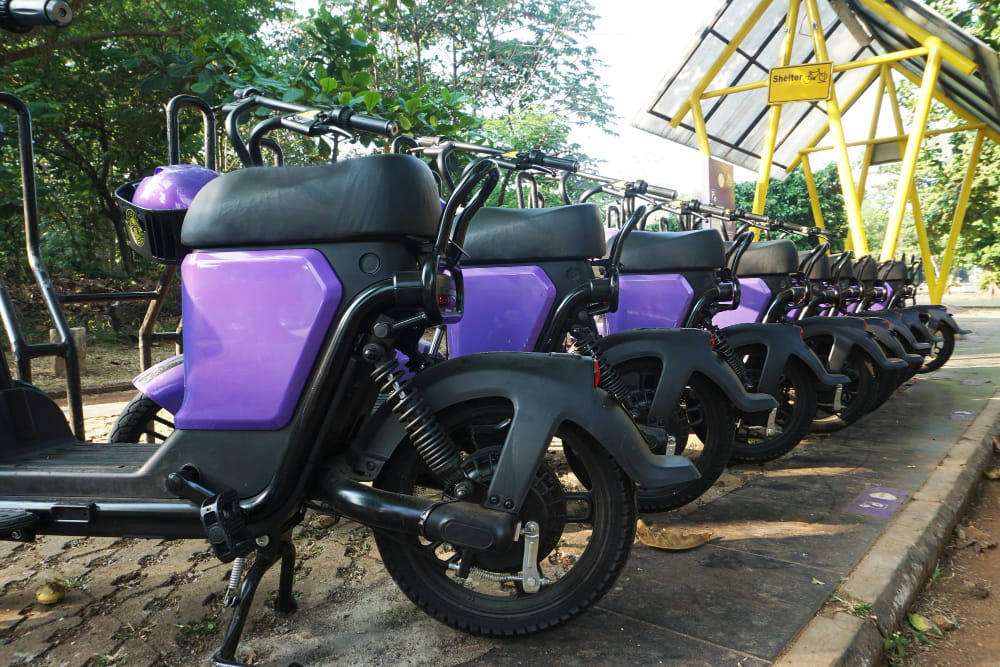
Electric motorcycles are changing the way people travel in India. Better battery technology, expanding charging networks, and growing interest in sustainable transportation are driving this shift. In 2026, the market is expected to introduce smarter, safer, and more efficient electric bikes that suit everyday commuting and long-distance riding.
This article explores the technologies, trends, and ownership factors that will shape the next generation of electric motorcycles. Instead of focusing on individual models, it explains how the market is evolving and what buyers should expect before purchasing an electric bike.
The Rise of Electric Motorcycles
Electric motorcycles have become a practical mobility solution rather than a niche product. More riders now consider them because they offer lower running costs, quieter operation, and simpler maintenance than conventional motorcycles.
Urban commuters appreciate their smooth performance in heavy traffic. At the same time, improvements in battery capacity and charging infrastructure make electric bikes more suitable for longer journeys.
The industry continues to innovate. Every new development brings electric motorcycles closer to becoming a mainstream transportation option.
Why 2026 Matters
The electric motorcycle market is entering a new stage of growth. Manufacturers, battery developers, and technology companies are investing in solutions that improve efficiency, performance, and reliability.
Instead of making small upgrades, the industry now focuses on solving everyday challenges. Faster charging, longer battery life, improved software, and better safety systems are becoming priorities. These changes will improve the ownership experience for both new and experienced riders.
Smarter Battery Technology
Battery technology plays the biggest role in an electric motorcycle’s performance. Engineers continue to improve energy density, charging efficiency, and battery durability.
Modern battery systems can store more energy while taking up less space. They also manage heat more effectively, which improves safety and extends battery life.
Advanced battery management systems constantly monitor charging, temperature, and power delivery. These systems help maintain consistent performance and protect the battery from unnecessary wear.
Better Real-World Range
Many buyers focus on the claimed riding range, but real-world performance matters more. Daily riding conditions often differ from laboratory testing.
Traffic, road conditions, weather, riding style, passenger weight, and speed all influence how far an electric motorcycle can travel.
New technology helps riders achieve more consistent performance by using energy more efficiently. This approach improves confidence and reduces concerns about running out of charge during everyday travel.
Faster and Easier Charging
Charging convenience continues to improve across India. Most owners still prefer home charging because it remains simple and affordable.
Public charging stations are also becoming more common. Better coverage along highways, commercial areas, and residential neighborhoods will make electric motorcycles easier to own.
Fast-charging technology will continue to reduce waiting times. Intelligent charging systems will also help protect battery health during frequent charging sessions.
Connected Technology Is Becoming Standard
Software now plays a major role in the riding experience. Modern electric motorcycles increasingly combine digital technology with traditional engineering.
Future bikes are expected to provide navigation, ride statistics, battery monitoring, smartphone connectivity, remote diagnostics, and software updates.
These features improve convenience while helping riders monitor vehicle health and energy usage more effectively.
A Stronger Focus on Safety
Safety remains one of the industry’s highest priorities. Manufacturers continue to develop technologies that improve rider confidence in different road conditions.
Future electric motorcycles are expected to feature advanced braking systems, traction management, battery protection, improved thermal monitoring, regenerative braking control, and better visibility through modern lighting systems.
These improvements help create a safer and more predictable riding experience.
Lower Ownership Costs
Many riders choose electric motorcycles because they reduce long-term operating expenses.
Electric powertrains contain fewer moving parts than petrol engines. This design lowers routine maintenance requirements and reduces mechanical wear.
Owners generally spend less on energy than they would on fuel for similar travel distances. As battery technology improves, ownership costs are likely to become even more attractive.
A Cleaner Transportation Future
Electric motorcycles help reduce air pollution by producing no tailpipe emissions during operation. They also create less noise, which improves the urban environment.
The industry continues to improve battery recycling, sustainable manufacturing, and renewable energy integration. These efforts support a cleaner transportation ecosystem and reduce the environmental impact of electric mobility.
Challenges That Still Exist
Electric motorcycles continue to improve, but some challenges remain.
Charging infrastructure still varies between regions. Long-distance riders must plan charging stops carefully. Battery replacement costs also remain an important consideration for long-term ownership.
As technology advances and infrastructure expands, these challenges are expected to become less significant.
How Buyers Can Prepare
Choosing an electric motorcycle requires more than comparing specifications. Buyers should evaluate their daily travel distance, charging options, maintenance needs, warranty coverage, and long-term ownership costs.
A practical approach leads to better purchasing decisions and a more satisfying ownership experience.
Looking Beyond 2026
Innovation will continue well beyond 2026. Future electric motorcycles will likely become lighter, more efficient, and more intelligent.
Advances in battery chemistry, artificial intelligence, predictive maintenance, connected mobility, and energy management will continue to improve performance and reliability.
These technologies will shape the future of personal transportation in India.
Conclusion
Electric motorcycles are entering an exciting period of development. New technology is improving range, charging convenience, safety, software, and ownership costs. These changes will make electric mobility more practical for a wider range of riders.
Instead of focusing only on new launches, buyers should understand the technology behind electric motorcycles and evaluate how it fits their daily needs. An informed decision will always provide greater long-term value than choosing a motorcycle based only on advertised specifications.
As the industry continues to evolve, electric motorcycles are set to become an essential part of India’s transportation future.
Share this content:
Post Comment