Battery Replacement Costs: Everything You Need to Know About EV Battery Lifespan, Costs, and Long-Term Ownership
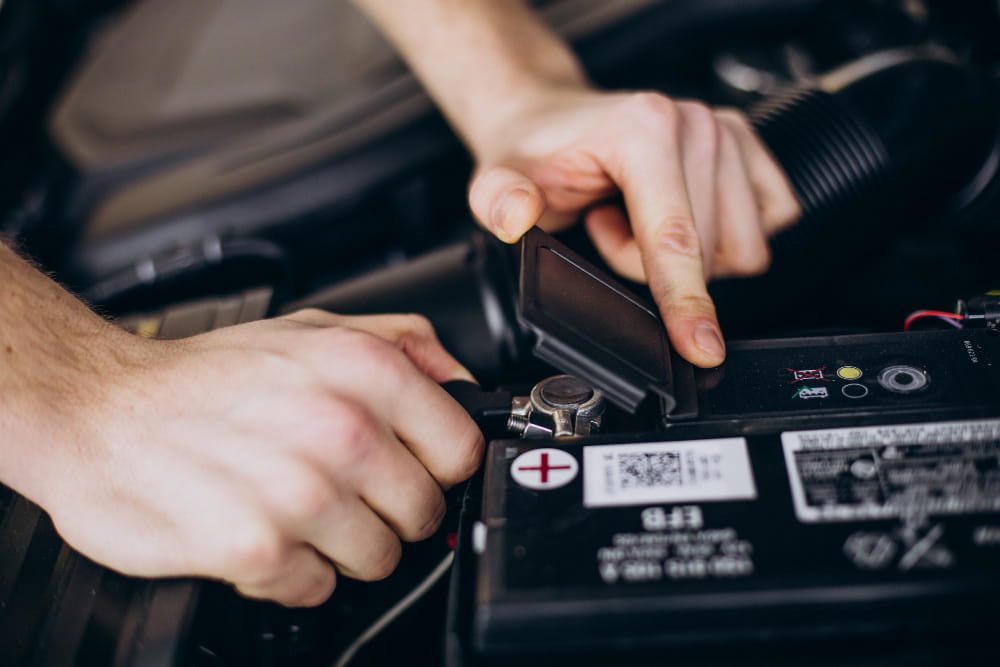
One of the biggest concerns for people considering an electric vehicle (EV) is battery replacement cost. Since the battery is the most expensive part of an EV, many buyers worry about the cost of replacing it. Some even believe that every EV battery needs replacement after a few years. In reality, this is not true.
Modern EV batteries last much longer than most people expect. Manufacturers design them to deliver reliable performance for many years. They also include advanced battery management systems that protect the battery and improve its lifespan. Most EV manufacturers back their batteries with long warranty periods, giving owners added confidence.
Battery replacement costs depend on several factors. Battery size, vehicle model, technology, labor charges, and warranty coverage all affect the final cost. This guide explains how EV batteries work, what influences replacement costs, when replacement becomes necessary, and how you can extend battery life.
Why the EV Battery Is the Most Important Component
The battery powers every electric vehicle. It stores electricity and supplies energy to the electric motor. It also affects driving range, charging speed, acceleration, and overall vehicle performance.
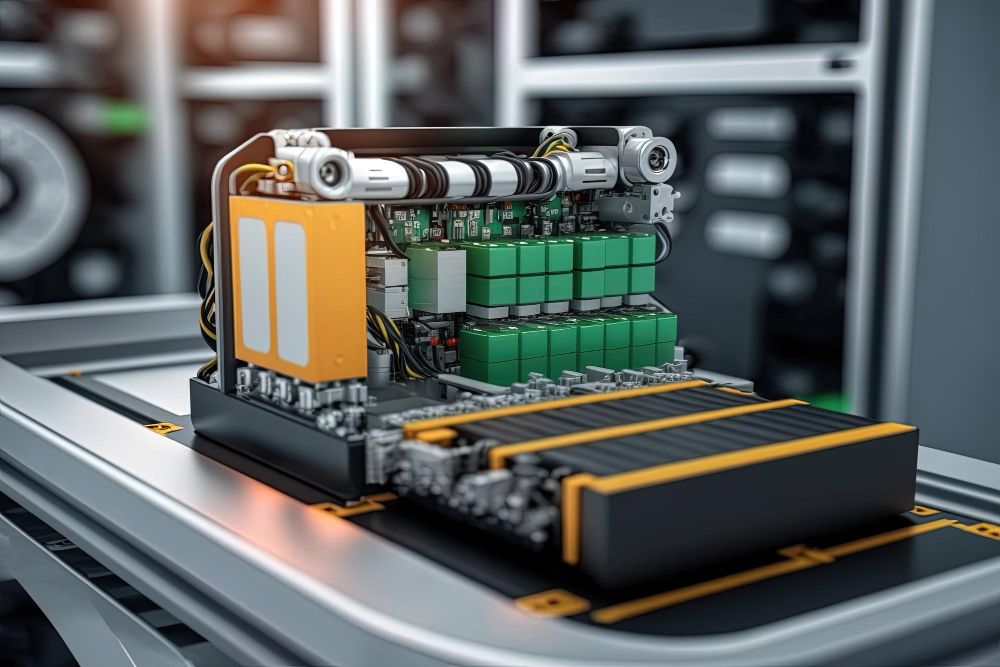
Modern EV batteries use thousands of lithium-ion cells. These cells work together as one battery pack. A Battery Management System (BMS) monitors each cell and controls charging, temperature, and voltage. This system helps improve safety and extends battery life.
The battery represents a large share of an EV’s cost because it uses advanced materials and technology. However, it also offers many benefits. Electric vehicles require less maintenance than conventional cars. They also provide better energy efficiency and lower running costs.
Do EV Batteries Really Need Replacement?
Many people think EV batteries fail after a few years. This is one of the biggest myths about electric vehicles.
Like all rechargeable batteries, EV batteries slowly lose some capacity over time. This process is called battery degradation. It happens gradually and does not mean the battery has failed.
As the battery ages, the vehicle may travel a shorter distance on a full charge. However, most batteries continue to perform well for many years. Manufacturers design them to handle thousands of charging cycles while keeping most of their original capacity.
For most owners, battery replacement is unlikely during normal ownership.
What Affects Battery Replacement Costs?
Battery replacement costs vary from one vehicle to another. Battery size is one of the biggest factors. Larger battery packs contain more cells and cost more to manufacture and replace.
The vehicle’s brand and model also influence the price. Premium EVs often use larger batteries and advanced technology, which increases replacement costs.
Battery design also matters. Some manufacturers use modular battery packs. Technicians can replace only the damaged module instead of the entire battery. This approach reduces repair costs.
Labor charges, local taxes, battery availability, and market conditions also affect the final replacement cost. As battery production increases around the world, replacement costs continue to fall.
Battery Repair or Battery Replacement?
A battery problem does not always require a full replacement.
Most EV batteries contain several modules. If only one module develops a fault, technicians can often replace that section. This repair costs much less than replacing the complete battery pack.
Technicians first inspect the battery using specialized diagnostic equipment. They may recommend a software update, battery calibration, or module replacement before suggesting a complete battery replacement.
Manufacturers usually replace the entire battery only when it has severe damage or major performance issues.
Understanding EV Battery Warranties
Battery warranties protect EV owners from unexpected repair costs. Most manufacturers offer long-term warranty coverage for their batteries.
These warranties usually cover manufacturing defects and excessive battery capacity loss during the warranty period. If the battery performance drops below the specified limit, the manufacturer may repair or replace it.
Always read the warranty terms before buying an EV. Coverage may vary between manufacturers and vehicle models.
Signs Your EV Battery Needs Inspection
Battery performance changes slowly, so many drivers do not notice the early signs of degradation.
A shorter driving range is often the first sign. You may also notice slower charging, warning lights on the dashboard, or unexpected changes in battery percentage.
These signs do not always mean the battery needs replacement. A qualified technician can inspect the battery and identify the actual problem.
How to Extend Battery Life
Good charging habits can help your battery last longer.
Avoid exposing the battery to extreme heat or cold for long periods. Use fast charging only when necessary. Follow the manufacturer’s charging recommendations and install software updates whenever they become available.
Smooth driving habits also reduce battery stress and improve efficiency. Regular maintenance helps keep the battery and other vehicle systems in good condition.
These simple practices can extend battery life and reduce the need for major repairs.
What Happens to an EV Battery After Replacement?
Replacing an EV battery does not mean the battery has no value.
Many used batteries still store enough energy for other applications. Companies reuse them in home energy storage systems, renewable energy projects, and commercial backup power systems.
When the battery reaches the end of its life, recycling facilities recover valuable materials such as lithium, nickel, cobalt, copper, and aluminum. Manufacturers can reuse these materials to produce new batteries. This process reduces waste and supports a more sustainable future.
The Future of EV Battery Technology
Battery technology continues to improve every year. Manufacturers are developing batteries that charge faster, last longer, and cost less to produce.
New technologies such as solid-state batteries promise higher energy density, improved safety, and longer driving ranges. Better manufacturing methods and advanced recycling will also reduce replacement costs in the future.
These innovations will make electric vehicles even more practical and affordable for drivers worldwide.
Common Myths About Battery Replacement Costs
Many people still believe outdated information about EV batteries. Some think every battery needs replacement after a few years. Others believe replacement costs almost as much as buying a new car.
Modern EV batteries are much more durable than early battery technologies. Manufacturers design them to last for years, and warranty coverage provides additional protection.
Learning the facts helps buyers make informed decisions and better understand the long-term value of electric vehicles.
Conclusion
Battery replacement costs are an important part of electric vehicle ownership, but they should not discourage potential buyers. Modern EV batteries offer excellent durability, strong performance, and long service life. Most owners will never need to replace the battery during their normal ownership period.
Technology continues to improve battery lifespan while reducing replacement costs. Better battery management systems, longer warranties, and advanced recycling methods have made electric vehicles more reliable than ever. As the EV industry grows, batteries will become even more affordable, efficient, and sustainable.
Understanding how EV batteries work and how to care for them helps owners make informed decisions and enjoy the benefits of electric mobility with confidence.
Share this content:
Post Comment