Electric Cars for Hilly Areas: Are EVs Suitable for Mountain Roads?
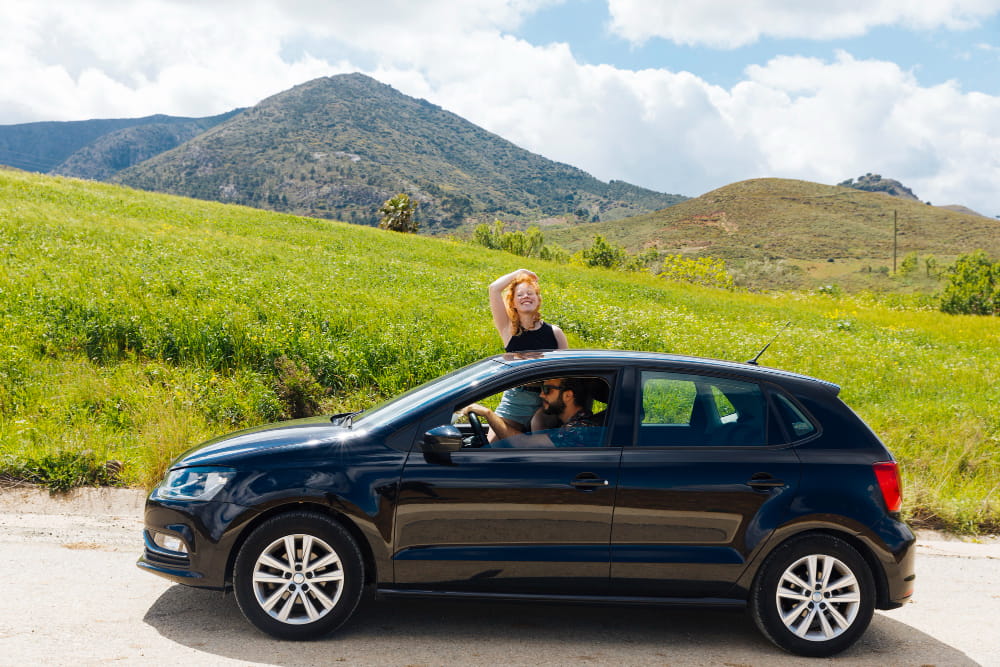
Electric vehicles (EVs) have rapidly become one of the most discussed innovations in the automotive industry. Rising fuel prices, increasing environmental awareness, and advancements in battery technology have encouraged many consumers to consider switching to electric mobility. However, for people living in mountainous and hilly regions, an important question remains: are electric cars suitable for challenging terrains?
Driving in hilly areas is very different from driving on flat city roads. Steep climbs, sharp turns, uneven surfaces, and changing weather conditions place additional demands on vehicles. Traditionally, many people believed that electric cars would struggle in such conditions because of concerns related to battery range, charging infrastructure, and performance on steep inclines.
However, modern electric vehicles have significantly evolved. Improved battery systems, advanced thermal management technologies, and powerful electric motors have made EVs increasingly capable of handling mountain roads efficiently. In fact, certain characteristics of electric vehicles make them particularly well-suited for hilly environments.
This article explores the performance, benefits, challenges, and future potential of electric cars in hilly areas.
Understanding the Challenges of Hilly Terrain
Mountain roads create unique driving conditions that can affect vehicle performance and efficiency. One of the biggest challenges is continuous uphill driving, which requires sustained power output and increased energy consumption. Vehicles operating in these conditions need strong acceleration and sufficient torque to maintain smooth movement on steep inclines.
Another challenge is downhill driving. Long descents can place significant pressure on braking systems, potentially increasing brake wear and reducing efficiency over time. Additionally, hilly regions often experience extreme weather conditions, including heavy rainfall, snowfall, fog, and lower temperatures, all of which can influence vehicle performance.
Remote mountain locations may also have limited infrastructure, including fewer service centers and charging stations. Therefore, vehicle reliability and energy efficiency become extremely important factors for residents and travelers in such regions.
How Electric Cars Perform in Hilly Areas
Electric cars offer several advantages that make them surprisingly effective on mountain roads. Unlike conventional internal combustion engine vehicles, electric cars generate maximum torque instantly. This means that power is available immediately when the driver presses the accelerator.
As a result, electric vehicles can climb steep roads smoothly without requiring multiple gear shifts. The immediate torque delivery improves acceleration and provides a more comfortable driving experience on winding mountain routes.
Another important feature is regenerative braking. During downhill driving, the electric motor can act as a generator, converting kinetic energy into electricity and sending it back to the battery. This process helps recover some of the energy consumed during uphill climbs while also reducing stress on mechanical braking components.
Modern electric cars also use sophisticated electronic control systems that continuously monitor battery performance, traction, and power delivery. These technologies help maintain stability and efficiency even on demanding terrains.
Benefits of Electric Cars in Hilly Regions
Instant Torque for Uphill Driving
One of the most significant advantages of electric vehicles is their ability to deliver instant torque. Steep roads require strong pulling power, and electric motors provide this efficiently. Drivers often experience smoother acceleration and better responsiveness compared to many traditional vehicles.
Regenerative Braking on Descents
Mountain driving involves frequent downhill sections. Regenerative braking allows electric cars to recover energy while descending, improving overall efficiency. It also reduces the dependence on traditional braking systems, lowering maintenance requirements and improving brake longevity.
Lower Maintenance Requirements
Electric cars generally have fewer moving components than conventional vehicles. They do not require engine oil changes, complex transmission systems, or many of the maintenance procedures associated with combustion engines. This can be particularly beneficial in remote hilly regions where service facilities may be limited.
Reduced Environmental Impact
Mountain ecosystems are often environmentally sensitive. Electric vehicles help reduce air pollution and eliminate tailpipe emissions, contributing to cleaner air and more sustainable transportation practices in these regions.
Quiet and Comfortable Driving Experience
Electric cars produce minimal noise, creating a quieter and more comfortable driving environment. This feature can significantly enhance the driving experience on scenic mountain roads.
Factors to Consider Before Buying an Electric Car for Hilly Areas
Battery Capacity and Driving Range
Driving uphill generally consumes more energy than driving on flat roads. Therefore, people living in mountainous regions should carefully consider battery capacity and estimated driving range before purchasing an electric vehicle.
Although regenerative braking helps recover energy during descents, it may not fully compensate for the additional energy used during long climbs.
Charging Infrastructure
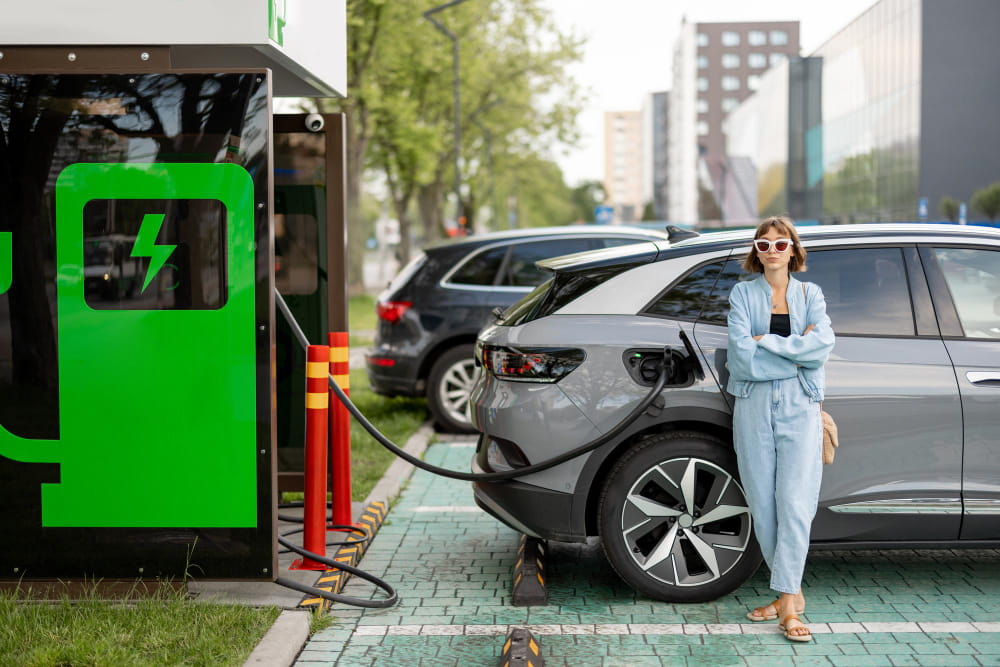
The availability of charging stations remains an important consideration. Urban regions are experiencing rapid expansion of charging networks, but some remote mountain areas may still have limited charging options.
Potential buyers should evaluate the charging facilities available along frequently traveled routes and consider installing home charging solutions if possible.
Weather Conditions
Cold temperatures commonly experienced in high-altitude areas can temporarily affect battery efficiency and charging speed. Modern EVs include thermal management systems to minimize these effects, but climate conditions should still be considered when evaluating vehicle suitability.
Road Conditions
Certain mountain roads may have uneven surfaces, sharp turns, and varying elevations. Ground clearance, traction control systems, and vehicle stability technologies can play an important role in ensuring a comfortable and safe driving experience.
Common Concerns About Electric Cars in Hilly Areas
Range Anxiety
One of the most common concerns among potential EV buyers is range anxiety. People often worry that the battery may deplete quickly while driving uphill.
While it is true that steep climbs require additional energy, modern battery technologies and improved charging infrastructure have significantly reduced these concerns. Careful trip planning and efficient energy management can further improve confidence during long journeys.
Charging Availability
Some consumers hesitate to adopt electric vehicles because they believe charging stations are insufficient in mountain regions. However, charging networks are continuously expanding, and many tourist destinations and hill stations are increasingly investing in EV infrastructure.
Performance on Steep Roads
A common misconception is that electric vehicles may struggle on steep inclines. In reality, the instant torque provided by electric motors often enables superior climbing performance compared to many traditional vehicles.
Battery Life
Battery longevity is another frequently discussed issue. Modern EV batteries are designed to withstand extensive use and are supported by advanced cooling systems and long-term warranties, making them increasingly reliable for everyday driving.
Future Trends in Electric Mobility for Mountain Regions
The future of electric transportation in hilly areas appears highly promising. Rapid advancements in battery chemistry are increasing driving ranges while reducing charging times. Fast-charging technologies are making long-distance travel more practical and convenient.
Governments and private organizations are also investing heavily in charging infrastructure, including installations in tourist destinations and remote regions. As charging accessibility improves, electric vehicle adoption in mountain communities is expected to accelerate.
Innovations such as intelligent route planning, predictive energy management systems, and vehicle-to-grid technologies may further improve the efficiency of electric cars in challenging terrains.
In addition, future battery systems are expected to perform more effectively in extreme weather conditions, reducing concerns related to cold climates and altitude-related efficiency losses.
Frequently Asked Questions (FAQs)
Do electric cars perform well in mountainous areas?
Yes. Electric vehicles generally perform very well in hilly regions because electric motors provide instant torque, making uphill driving smooth and efficient.
Does driving uphill reduce battery range?
Yes. Continuous climbing requires more energy, which can temporarily reduce driving range compared to driving on flat roads.
Is regenerative braking useful in mountains?
Absolutely. Regenerative braking is particularly beneficial in mountainous regions because it allows vehicles to recover energy while descending.
Are electric vehicles suitable for cold mountain climates?
Modern electric vehicles are designed to operate in a wide range of temperatures, although extremely cold conditions can affect battery efficiency temporarily.
Is charging infrastructure improving in hilly areas?
Yes. Charging networks are expanding rapidly, and many mountain destinations are gradually increasing EV charging facilities.
Conclusion
Electric cars are becoming increasingly suitable for hilly areas due to significant advancements in battery technology, motor efficiency, and charging infrastructure. Their instant torque, regenerative braking capabilities, lower maintenance requirements, and environmental benefits make them a practical option for mountain driving.
Although factors such as charging availability, battery range, and weather conditions still require careful consideration, modern electric vehicles are well-equipped to handle the unique demands of hilly terrains. As technology continues to evolve and infrastructure expands, electric mobility is expected to become an even more viable and sustainable transportation solution for people living in mountainous regions.
For consumers seeking efficient, environmentally friendly, and technologically advanced transportation, electric cars are steadily emerging as a strong choice for navigating the roads of hilly and mountainous areas.
Share this content:

Post Comment