Electric Bike Charging: A Complete Guide
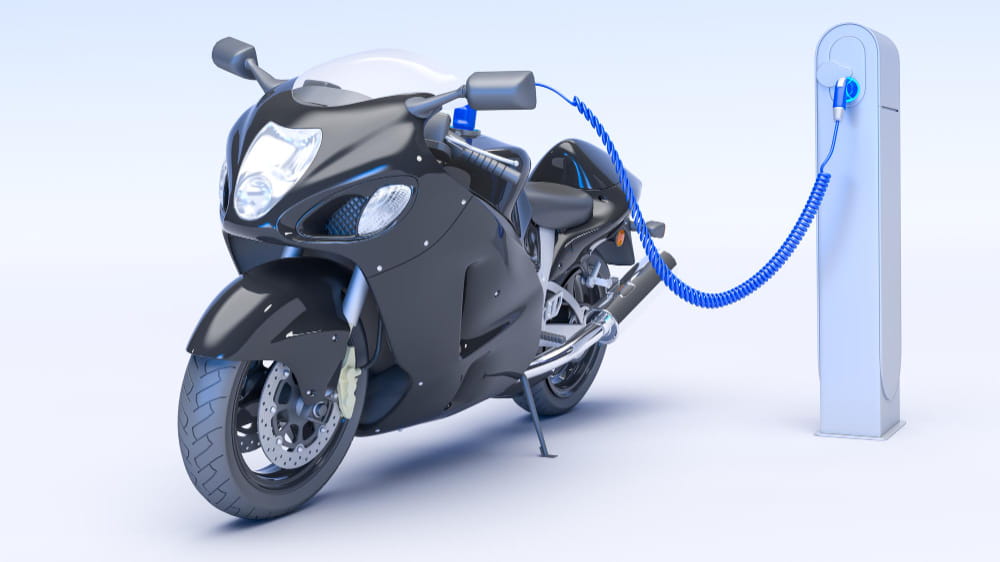
Electric bikes are becoming increasingly popular as a smart, eco-friendly, and cost-effective mode of transportation. Whether used for daily commuting or recreational rides, the performance of an electric bike largely depends on its battery. Proper charging practices not only ensure smooth performance but also help increase battery life and maintain overall efficiency.
How Electric Bike Charging Works
An electric bike operates using a rechargeable battery that powers the motor. When the battery level decreases, it needs to be recharged through a compatible charger connected to a power source. Most modern electric bikes use lithium-ion batteries because they are lightweight, efficient, and capable of storing a large amount of energy. The charger converts electricity from the wall outlet into usable energy that is stored within the battery for future use.
Types of Electric Bike Batteries
Battery technology plays an important role in charging performance and riding range. Lithium-ion batteries are the most widely used in electric bikes due to their long lifespan, faster charging capabilities, and higher energy efficiency. These batteries can withstand hundreds of charging cycles while maintaining consistent performance.
Charging Time for Electric Bikes
The charging time of an electric bike depends on several factors, including battery capacity, charger output, and the remaining battery percentage before charging begins. On average, most electric bike batteries require between three and eight hours to charge fully. High-capacity batteries may take longer, while fast chargers can significantly reduce charging time.
Temperature also affects charging efficiency. Batteries generally perform best when charged in moderate environmental conditions, as extremely hot or cold temperatures can slow down charging and impact battery health.
Proper Charging Practices
Following the correct charging process can improve battery performance and extend its lifespan. Before charging, riders should ensure that the bike is turned off and the charging port is clean and free from dust or moisture. The charger should always be connected according to the manufacturer’s instructions and disconnected once charging is complete.
Charging the battery in a dry, well-ventilated area helps prevent overheating and ensures safe operation. It is also advisable to allow the battery to cool down after long rides before placing it on charge.
Common Charging Mistakes to Avoid
Many battery issues arise from improper charging habits. Frequently allowing the battery to discharge completely can reduce its overall lifespan. Similarly, using non-compatible chargers may damage battery cells and affect charging efficiency.
Charging the battery in direct sunlight or extremely cold conditions can also negatively impact performance. Developing good charging habits helps maintain battery health and reduces the likelihood of costly replacements.
Tips to Increase Battery Life
Proper maintenance can significantly extend the life of an electric bike battery. Keeping the battery partially charged during long storage periods helps preserve cell health. Avoiding unnecessary overcharging and protecting the battery from excessive heat can also improve its longevity.
Regular inspections of charging ports, cables, and battery connections ensure that the charging system continues to operate efficiently. With proper care, many electric bike batteries can provide years of reliable service.
Cost of Charging an Electric Bike
One of the major advantages of electric bikes is their low operating cost. Charging an electric bike consumes only a small amount of electricity compared to the fuel expenses associated with traditional vehicles. This makes electric bikes an economical transportation option for both personal and commercial use.
The low charging cost, combined with reduced maintenance requirements, contributes to the growing popularity of electric bikes around the world.
Future Trends in Electric Bike Charging
Advancements in charging technology are making electric bikes even more convenient and efficient. Fast-charging solutions are reducing waiting times, while smart battery management systems are improving battery monitoring and safety.
Emerging technologies such as swappable batteries, solar-assisted charging, and wireless charging systems are expected to further transform the electric mobility industry in the coming years.
Conclusion
Electric bike charging is a critical aspect of maintaining performance, safety, and battery longevity. Understanding how charging systems work and following proper charging practices can help riders maximize efficiency and reduce long-term costs. As technology continues to evolve, improved charging solutions will make electric bikes an even more practical and sustainable transportation choice for the future.
Share this content:


Post Comment