EV Battery Technology Explained: Types, Benefits, Innovations & Future Trends (2026)
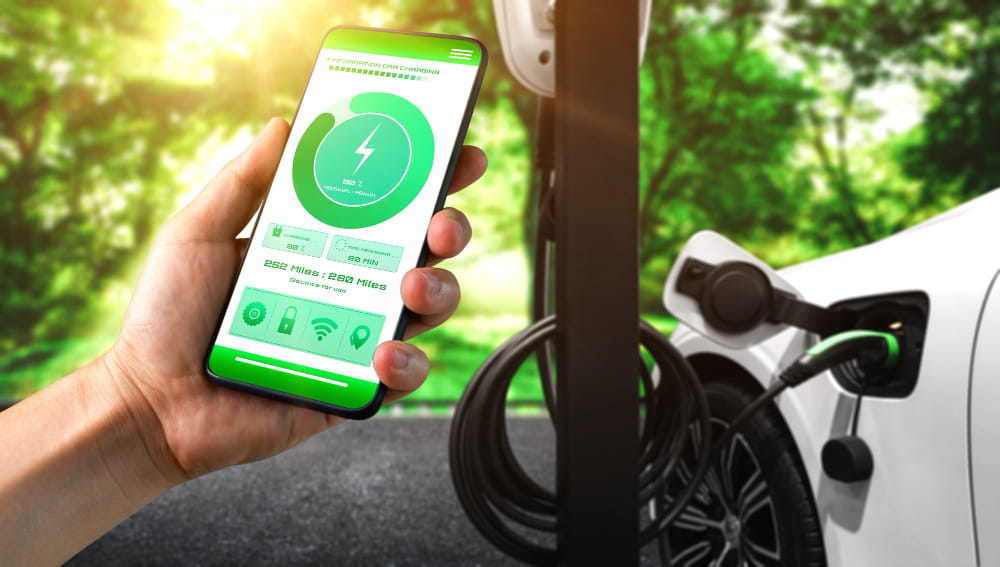
Electric vehicles (EVs) have changed the automotive industry, and battery technology has driven that transformation. Modern EV batteries deliver longer driving ranges, faster charging speeds, improved safety, and lower operating costs than ever before. As manufacturers continue to invest in research, battery performance improves every year.
In 2026, battery innovation remains one of the biggest drivers of electric mobility. New battery chemistries, smarter management systems, and advanced manufacturing techniques are making EVs more practical, affordable, and sustainable.
What Is an EV Battery?
An EV battery is a rechargeable energy storage system that powers an electric vehicle. It stores electrical energy and supplies power to the electric motor whenever the driver accelerates. Unlike the small 12-volt battery found in conventional vehicles, an EV battery pack contains hundreds or even thousands of battery cells that work together to deliver high voltage and consistent performance.
The battery serves as the primary energy source of an electric vehicle. Its capacity directly affects driving range, charging time, and overall vehicle performance.
How Does an EV Battery Work?
An EV battery converts chemical energy into electrical energy through electrochemical reactions. When the driver presses the accelerator, electricity flows from the battery to the electric motor. The motor then converts that electrical energy into mechanical power, which moves the vehicle.
During braking, regenerative braking captures energy that would normally disappear as heat. The system sends that recovered energy back to the battery, which improves efficiency and extends driving range.
Types of EV Batteries
Lithium-ion batteries dominate today’s EV market because they offer an excellent balance of performance, efficiency, and durability. Their high energy density allows manufacturers to build lighter vehicles without sacrificing driving range.
Lithium Iron Phosphate (LFP) batteries have become increasingly popular because they offer excellent thermal stability, long service life, and lower production costs. Many city cars, buses, and commercial vehicles now use LFP batteries.
Nickel Manganese Cobalt (NMC) batteries provide high energy density and strong overall performance. Many manufacturers choose them for long-range passenger vehicles because they balance power, efficiency, and battery life.
Nickel Cobalt Aluminum (NCA) batteries deliver even higher energy density. Premium and performance-focused electric vehicles often rely on this battery chemistry to maximize range and acceleration.
Solid-state batteries represent the next generation of EV battery technology. They replace liquid electrolytes with solid materials, which improves safety, increases energy density, and supports faster charging. Although manufacturers are still expanding production, this technology could reshape the EV market over the next several years.
Benefits of Modern EV Batteries
Modern EV batteries allow drivers to travel much farther on a single charge than earlier battery generations. Many new electric vehicles now offer driving ranges that exceed 500 kilometers under suitable conditions.
Charging technology has also improved significantly. Many EVs can recharge from 10% to 80% in about 20 to 30 minutes when connected to a compatible DC fast charger.
EV batteries also reduce operating costs. Electricity usually costs less than petrol or diesel, and electric vehicles require fewer maintenance services because they contain fewer moving parts.
These batteries also support cleaner transportation by producing zero tailpipe emissions. In addition, electric motors operate quietly, creating a smoother and more comfortable driving experience.
How Long Do EV Batteries Last?
Most EV batteries last between 8 and 15 years with proper care. Many manufacturers also provide battery warranties of around eight years or 160,000 kilometers, whichever comes first.
Several factors influence battery lifespan. Climate, charging habits, driving style, and battery chemistry all affect long-term performance. Drivers who follow recommended charging practices often maintain better battery health over time.
Battery Management System (BMS)
The Battery Management System, or BMS, controls and protects the battery pack. It monitors voltage, temperature, charging status, and cell performance in real time. The system also balances battery cells and prevents overcharging, overheating, and deep discharge.
A reliable BMS improves safety, increases efficiency, and helps extend battery life.
Latest Innovations in EV Battery Technology (2026)
Battery technology continues to evolve rapidly. Manufacturers now use silicon-rich anodes to increase energy density and improve driving range. Sodium-ion batteries provide a lower-cost alternative for selected vehicle segments and energy storage applications.
Many companies also use cell-to-pack designs to reduce battery weight and increase available energy. Structural battery packs strengthen the vehicle while reducing the number of separate components.
Artificial intelligence has also become an important part of battery management. AI systems analyze battery health, optimize charging patterns, and predict maintenance needs before problems occur.
EV Battery Recycling
Battery recycling plays an essential role in the future of electric mobility. Recycling companies recover valuable materials such as lithium, nickel, cobalt, copper, and graphite from used batteries. Manufacturers can then reuse these materials to produce new battery cells.
This process reduces mining activity, lowers production costs, and supports a more sustainable supply chain.
Common Myths About EV Batteries
Many people believe EV batteries require frequent replacement, but modern batteries often last well beyond their warranty period. Some drivers also think fast charging always damages batteries. In reality, occasional fast charging has only a limited impact because modern battery management systems carefully control charging conditions.
Another common misconception involves cold weather. Low temperatures can temporarily reduce driving range, but modern EVs continue to operate reliably. Advanced thermal management systems help maintain battery performance in different climates.
Some people also assume manufacturers cannot recycle EV batteries. In fact, recycling facilities already recover many valuable battery materials for future use.
Future Trends in EV Battery Technology
Battery technology will continue to improve over the coming years. Future EVs will likely offer longer driving ranges, shorter charging times, lower battery costs, and improved safety. Researchers also expect greater use of sustainable materials and more efficient recycling methods.
Smarter battery management systems and advanced manufacturing techniques will further improve battery performance while reducing environmental impact. These innovations will make electric vehicles more affordable and accessible for drivers around the world.
Conclusion
EV battery technology continues to advance at an impressive pace. Better battery chemistry, faster charging, stronger safety systems, and improved recycling methods have already transformed the electric vehicle industry. Future innovations will make EVs even more efficient, affordable, and environmentally friendly. As battery technology evolves, electric vehicles will play an even greater role in building a cleaner and more sustainable transportation system.
Share this content:

Post Comment