Battery Swapping vs Fast Charging: Which EV Charging Solution is Better in 2026?
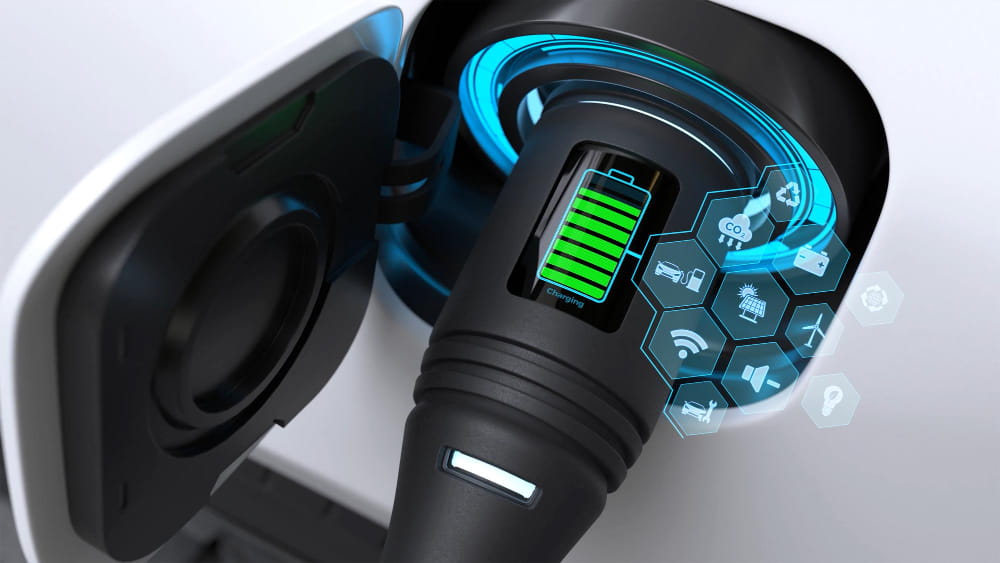
As electric vehicles (EVs) become more popular across India, charging infrastructure is evolving rapidly to meet growing demand. Two of the most discussed charging solutions are battery swapping and fast charging. Both aim to reduce vehicle downtime and improve convenience, but they work in completely different ways.
Battery swapping allows drivers to replace a discharged battery with a fully charged one in just a few minutes, while fast charging uses high-powered chargers to recharge the existing battery much faster than conventional charging methods.
Understanding the differences between these technologies is essential for EV buyers, fleet operators, and businesses investing in electric mobility. This guide compares battery swapping vs fast charging, their benefits, limitations, costs, and future potential in India.
What is Battery Swapping?
Battery swapping is a charging method where an EV’s depleted battery is removed and replaced with a fully charged battery at a swapping station. Instead of waiting for the battery to recharge, drivers receive a charged battery almost instantly.
This system is mainly used for:
- Electric two-wheelers
- Electric three-wheelers
- Commercial delivery vehicles
- Fleet vehicles
- Urban mobility services
Battery swapping works best when batteries are standardized across different vehicle models, allowing compatibility between vehicles and swapping stations.
How Battery Swapping Works
- The vehicle arrives at a battery swapping station.
- The discharged battery is removed.
- A fully charged battery is installed.
- The old battery is sent for charging and maintenance.
- The driver resumes the journey within minutes.
What is Fast Charging?
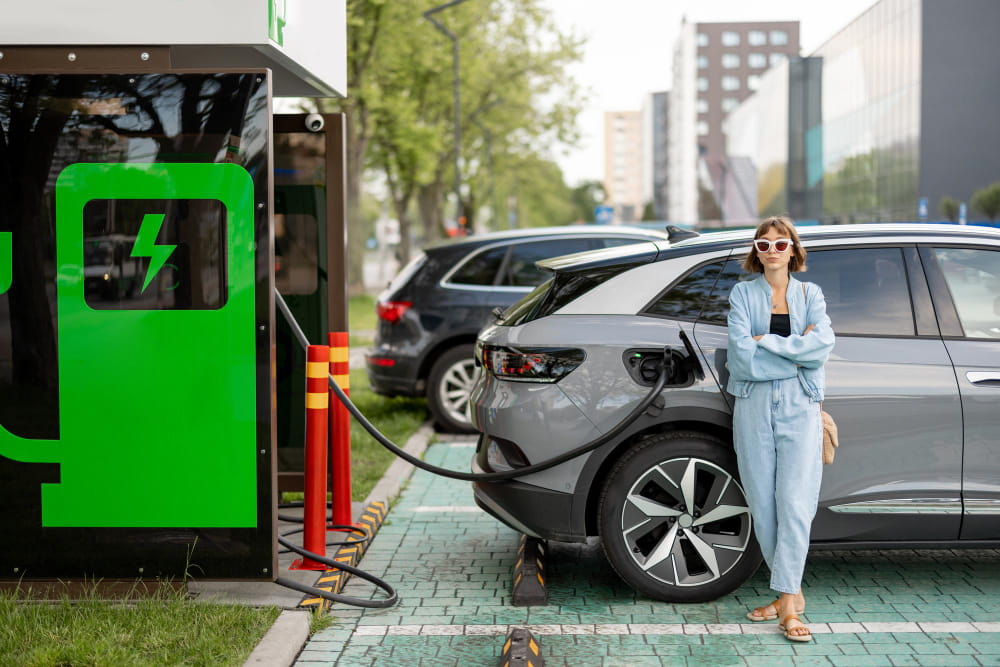
Fast charging uses high-power DC chargers to rapidly recharge an EV battery without removing it from the vehicle.
Unlike home charging, which may take several hours, fast chargers significantly reduce charging time.
Depending on battery size and charger capacity, many EVs can charge from 20% to 80% in approximately 20–60 minutes.
Fast charging stations are commonly installed at:
- Highways
- Shopping malls
- Office complexes
- Petrol stations
- Public charging hubs
- Commercial parking facilities
Key Differences Between Battery Swapping and Fast Charging
| Feature | Battery Swapping | Fast Charging |
|---|---|---|
| Charging Time | 2–5 minutes | 20–60 minutes |
| Battery Ownership | Often subscription-based | Customer owns battery |
| Initial Cost | Lower vehicle cost in some models | Standard EV purchase cost |
| Infrastructure | Battery swapping stations | DC fast charging stations |
| Best For | Commercial fleets and urban transport | Private cars and long-distance travel |
| Battery Maintenance | Managed by service provider | Managed by vehicle owner |
| Compatibility | Requires standardized batteries | Compatible with supported charging standards |
| Downtime | Minimal | Moderate |
Pros & Cons of Battery Swapping
Advantages
1. Extremely Fast Energy Refill
Swapping takes only a few minutes, making it one of the quickest EV charging solutions available.
2. Lower Upfront Vehicle Cost
Some battery-swapping models separate battery ownership from vehicle ownership, reducing the purchase price.
3. Better for Commercial Fleets
Delivery companies, ride-sharing services, and logistics operators benefit from minimal downtime.
4. Professional Battery Management
Batteries are maintained, monitored, and charged by the service provider, improving reliability.
5. Reduced Waiting Time
Drivers avoid queues at charging stations and lengthy charging sessions.
Disadvantages
- Limited availability of swapping stations.
- Requires standardized battery designs.
- Not widely available for passenger electric cars.
- Subscription costs may accumulate over time.
- Compatibility between manufacturers remains a challenge.
Pros & Cons of Fast Charging
Advantages
1. Widely Supported
Most modern electric cars support DC fast charging.
2. No Battery Replacement Required
The original battery remains inside the vehicle throughout its life.
3. Growing Infrastructure
Fast charging networks are expanding across highways, cities, and commercial locations.
4. Convenient for Long Trips
Drivers can recharge during short breaks while travelling.
5. Compatible with Multiple Vehicle Brands
Many charging stations support widely used charging standards, making them suitable for different EV models.
Disadvantages
- Charging still takes longer than battery swapping.
- Frequent high-speed charging may contribute to faster battery degradation over many years.
- Installation costs for fast chargers are high.
- Charging speed decreases as the battery approaches full capacity.
Which Option is Better?
The better option depends on how the EV is used.
Battery Swapping is Better For
- Delivery fleets
- Food delivery services
- Taxi operators
- Three-wheelers
- Urban commuters
- Commercial fleet businesses
Battery swapping maximizes vehicle uptime and improves operational efficiency.
Fast Charging is Better For
- Private electric car owners
- Highway travel
- Long-distance journeys
- Premium electric vehicles
- Personal daily commuting
Fast charging provides flexibility without requiring standardized batteries or subscription services.
Future of EV Charging
India’s EV ecosystem is expected to support both battery swapping and fast charging rather than relying on a single solution.
Battery Swapping Will Likely Grow In
- Urban logistics
- E-commerce deliveries
- Electric scooters
- Auto-rickshaws
- Shared mobility fleets
Fast Charging Will Continue Expanding In
Advancements in battery technology, faster chargers, and improved charging networks will make EV ownership even more convenient in the coming years. Government policies and private-sector investments are also accelerating the deployment of charging infrastructure across India.
Frequently Asked Questions (FAQs)
1. What is the main difference between battery swapping and fast charging?
Battery swapping replaces a discharged battery with a fully charged one, while fast charging recharges the existing battery using a high-power charger.
2. Which is faster: battery swapping or fast charging?
Battery swapping is generally faster, taking around 2–5 minutes, whereas fast charging usually requires 20–60 minutes to recharge an EV battery from 20% to 80%.
3. Is battery swapping available for all electric vehicles?
No. Battery swapping is currently more common for electric scooters, three-wheelers, and commercial fleet vehicles that use standardized battery systems.
4. Does fast charging damage EV batteries?
Occasional fast charging is safe for most modern EVs. However, relying exclusively on frequent DC fast charging over a long period may contribute to faster battery wear compared to regular AC charging.
5. Which charging option is more economical?
Battery swapping can lower the initial cost of some EVs by separating battery ownership from the vehicle. Fast charging avoids subscription fees but requires owning the battery and may involve higher charging costs depending on the charging network.
6. Which option is better for long-distance travel?
Fast charging is generally more suitable for long-distance travel because fast-charging stations are increasingly available along highways and are compatible with most passenger electric cars.
Conclusion
Both battery swapping and fast charging play important roles in the future of electric mobility. Battery swapping offers unmatched speed and efficiency for commercial fleets, delivery services, and urban transport, while fast charging provides greater flexibility and compatibility for private EV owners and long-distance travelers.
Rather than competing directly, these technologies are likely to complement each other as India’s EV ecosystem grows. Choosing the right solution depends on your driving habits, vehicle type, infrastructure availability, and overall cost considerations. By understanding the strengths and limitations of each approach, consumers and businesses can make informed decisions that support a smoother transition to sustainable transportation.
Share this content:
Post Comment