Electric Cars vs Petrol Cars: 5-Year Cost Comparison – Which Saves You More Money in 2026?

Buying a car in 2026 is no longer just about choosing a vehicle that fits your budget today. Smart buyers are looking at the total cost of ownership and asking a more important question: which vehicle will save more money over the next five years?
Electric cars have gained popularity due to lower running costs and reduced maintenance requirements, while petrol cars continue to attract buyers with their lower purchase prices and widespread fuel availability. To determine which option offers better value, it is important to compare all ownership expenses rather than focusing only on the showroom price.
Why a 5-Year Cost Comparison Matters
The price you pay when purchasing a car is only one part of the overall ownership cost. Over five years, vehicle owners spend a significant amount on fuel or charging, maintenance, insurance, and repairs. These ongoing expenses can have a major impact on the actual cost of owning a car.
Many buyers are surprised to discover that a vehicle with a higher purchase price can sometimes be cheaper to own in the long run because of lower operating costs.
Purchase Price: Petrol Cars Have the Advantage
One of the biggest differences between electric and petrol cars is the upfront investment. Electric vehicles generally cost more because batteries remain the most expensive component of an EV.
In 2026, a typical petrol car is still more affordable than a comparable electric model. This lower entry price makes petrol vehicles attractive to budget-conscious buyers. However, the higher purchase cost of an electric car is often offset by savings during ownership.
Running Costs: Where Electric Cars Save the Most Money
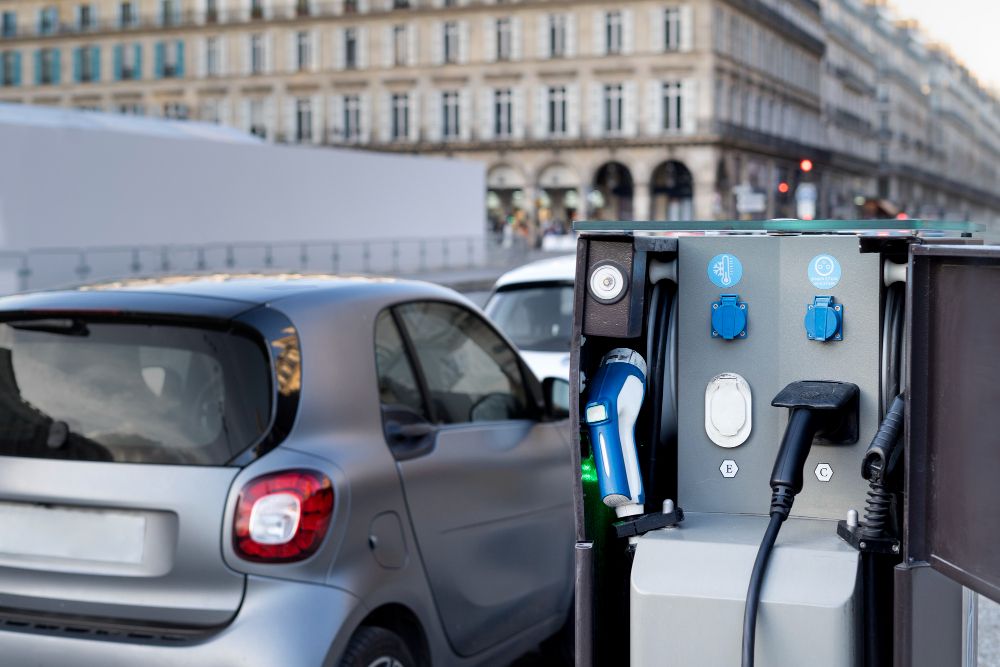
The largest financial advantage of an electric car comes from its lower energy cost. Charging an electric vehicle is significantly cheaper than filling a petrol tank, especially for drivers who charge at home.
A petrol car typically costs several rupees per kilometer to run, depending on fuel prices and mileage. In contrast, an electric car consumes electricity much more efficiently, resulting in a much lower cost per kilometer.
Over five years, a driver covering average annual distances can save several lakh rupees on energy expenses alone by choosing an electric car. As fuel prices continue to rise, these savings become even more noticeable.
Maintenance Costs: Electric Cars Require Less Servicing
Another major advantage of electric vehicles is their simpler mechanical design. Petrol cars contain hundreds of moving parts that require regular maintenance and replacement over time.
Routine servicing for a petrol car often includes engine oil changes, oil filters, air filters, spark plugs, and various engine-related repairs. These maintenance requirements increase ownership costs year after year.
Electric cars do not require engine oil changes and have fewer components that wear out. Most servicing focuses on tires, brakes, suspension, and battery health checks. As a result, maintenance expenses for electric vehicles are generally much lower throughout the ownership period.
Insurance Costs: A Small Win for Petrol Cars
Insurance costs are one area where petrol cars may still have a slight advantage. Since electric vehicles often have a higher purchase price and expensive battery systems, insurance premiums can be marginally higher.
However, the difference in insurance costs is usually much smaller than the savings generated through lower charging and maintenance expenses.
Battery Life and Replacement Concerns
Battery replacement remains a common concern among buyers considering an electric vehicle. Fortunately, modern EV batteries are designed to last for many years.
Most manufacturers now offer battery warranties of up to eight years, providing confidence for long-term ownership. For most drivers, battery replacement is unlikely to be necessary during the first five years of ownership.
As battery technology continues to improve, durability and reliability are expected to increase even further.
Resale Value: The Gap Is Narrowing
Petrol cars have traditionally enjoyed stronger resale values because of their established market presence. However, this trend is beginning to change.
As electric vehicle adoption grows and charging infrastructure expands, used EV demand is increasing. Improved battery technology has also boosted buyer confidence in pre-owned electric vehicles.
While petrol cars may still hold a slight advantage in resale value, the difference is becoming smaller with each passing year.
Which Car Saves More Money Over Five Years?
The answer depends largely on how much you drive.
For drivers who cover relatively low annual mileage, a petrol car may remain the more economical option because of its lower purchase price. The savings from reduced charging and maintenance costs may not be enough to offset the higher upfront investment.
For drivers who commute daily, travel frequently, or cover long distances every year, electric cars often become the more cost-effective choice. The money saved on charging and maintenance can significantly reduce overall ownership costs over five years.
The more kilometers you drive, the greater the financial advantage of an electric vehicle.
Beyond Cost: Additional Benefits of Electric Cars
While cost savings are important, electric vehicles also offer several practical advantages. They provide a quieter driving experience, instant acceleration, reduced environmental impact, and freedom from fluctuating fuel prices.
Many drivers also appreciate the convenience of charging at home rather than visiting a fuel station regularly.
These benefits may not appear in a financial comparison, but they contribute significantly to the overall ownership experience.
Final Verdict
When comparing electric cars and petrol cars over a five-year period, the winner depends on individual driving habits.
Petrol cars continue to offer a lower purchase price and slightly lower insurance costs, making them attractive for low-mileage drivers. However, electric cars deliver substantial savings through lower charging costs and reduced maintenance requirements.
For most daily commuters and high-mileage drivers, an electric car can provide better long-term value and lower ownership costs. As charging infrastructure expands and EV technology improves, the financial benefits of electric vehicles are likely to become even stronger in the years ahead.
In 2026, if your goal is to reduce running expenses and save money over time, an electric car is increasingly becoming the smarter investment.
Share this content:

Post Comment