Sustainable Urban Transport Solutions with EVs
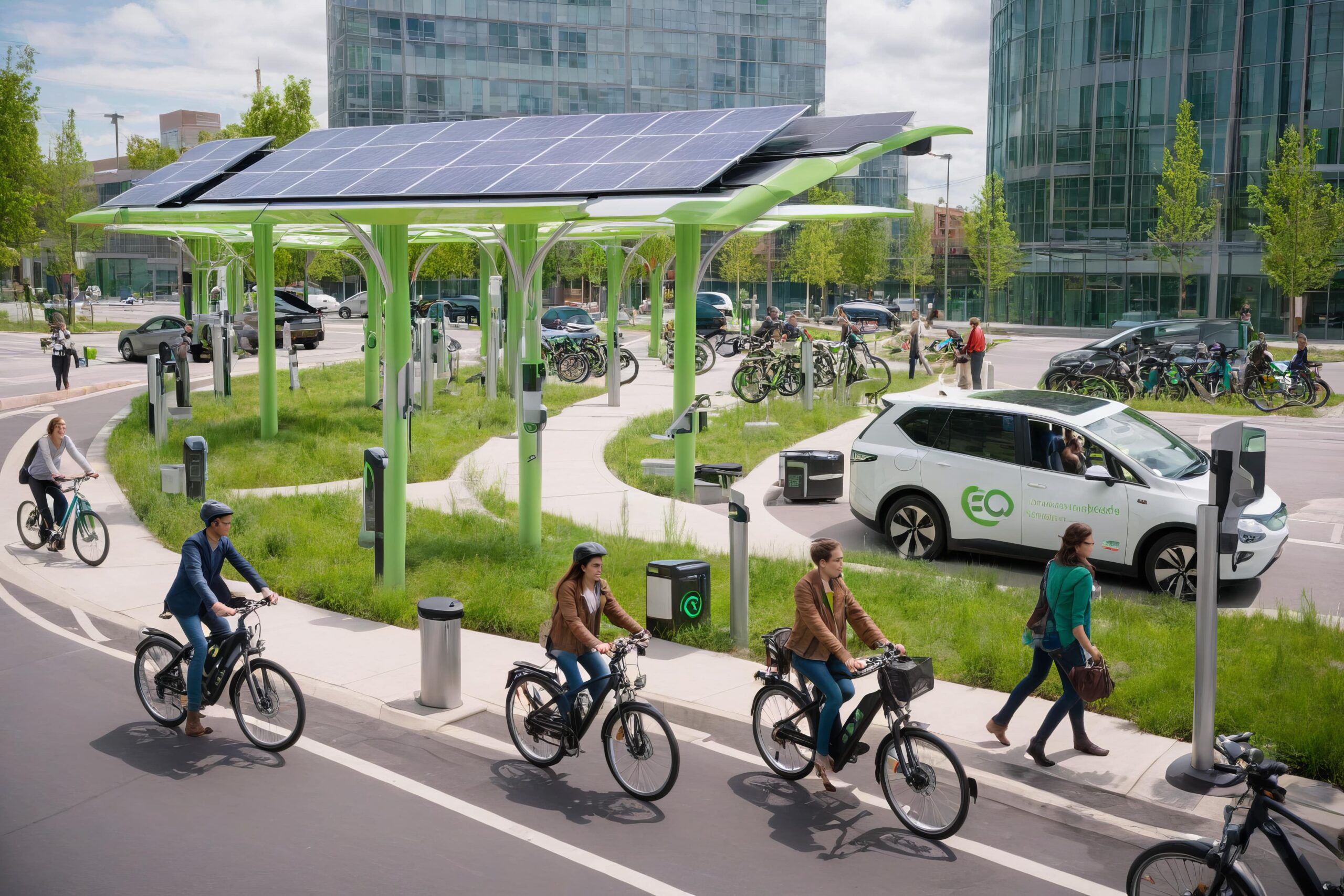
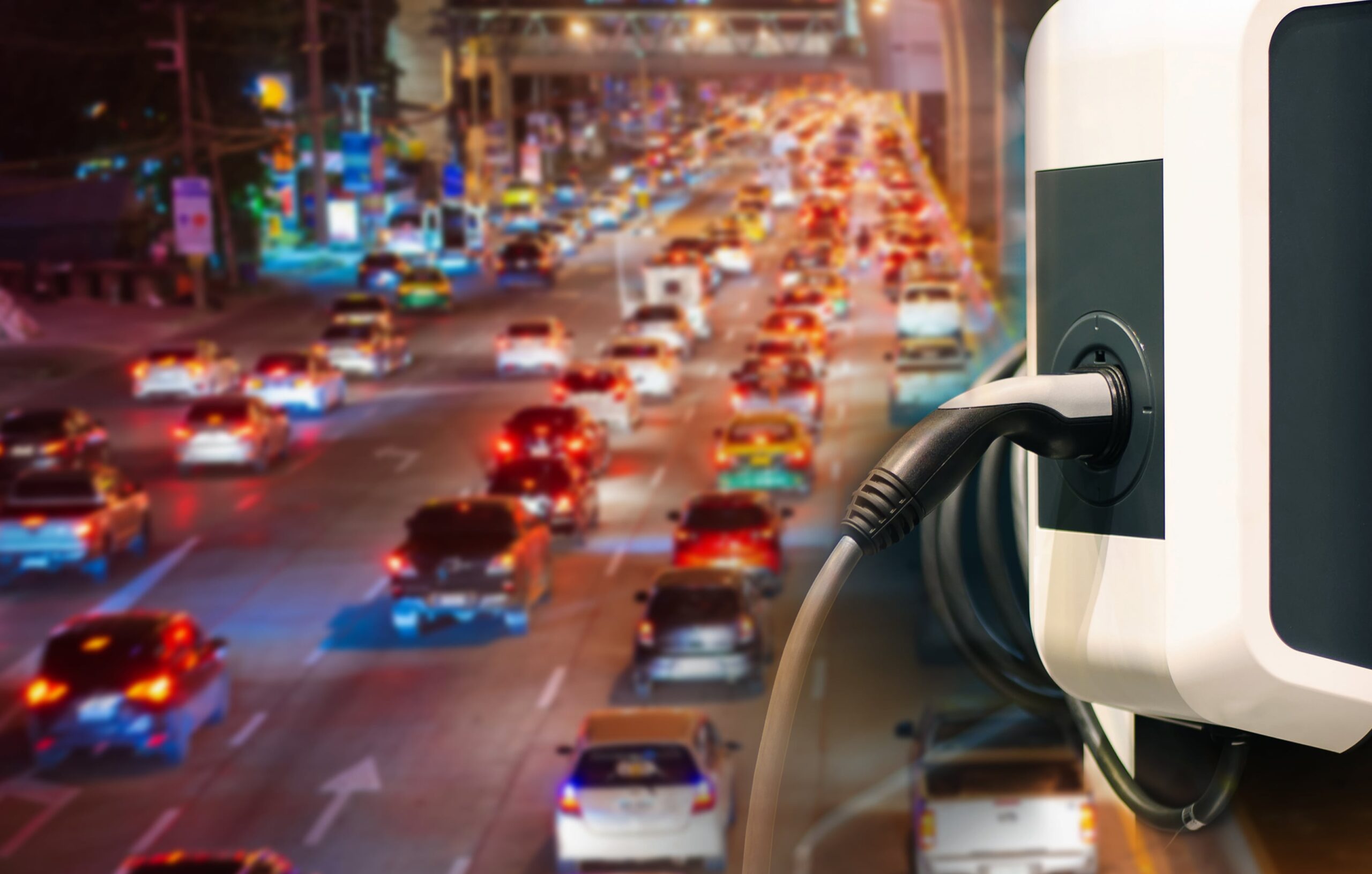
As urban populations continue to rise and traffic congestion worsens, cities across the world are turning to sustainable urban transport solutions with EVs to build cleaner, smarter, and more efficient mobility systems. Electric vehicles (EVs) are at the forefront of this transformation, helping reduce emissions, energy consumption, and noise pollution while reshaping how people move in urban spaces.
Electrifying Public and Shared Transportation
One of the most effective ways to make cities more sustainable is through the electrification of public and shared transportation. Electric buses, taxis, and ride-sharing fleets are increasingly becoming part of city infrastructure. These vehicles not only cut down on air pollution but also reduce operational costs for transport providers. By deploying sustainable urban transport solutions with EVs, cities can enhance last-mile connectivity, improve air quality, and ensure accessible mobility for all citizens.
Integration of Smart Charging Infrastructure
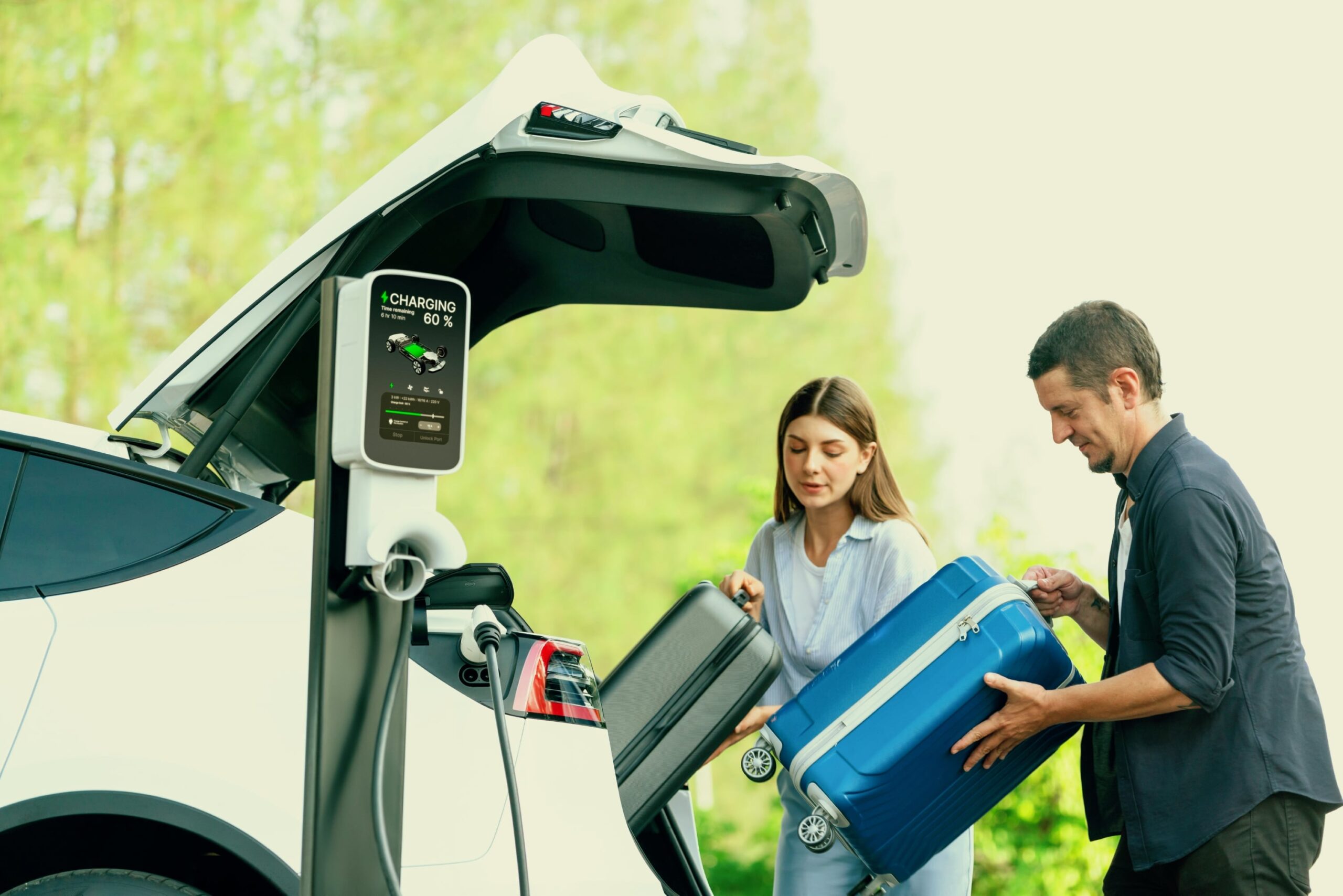
The success of EV adoption depends largely on reliable charging networks. Smart charging stations equipped with IoT technology enable efficient energy management and grid stability. Fast-charging hubs, solar-assisted stations, and battery-swapping facilities are key elements of sustainable urban transport solutions with EVs, ensuring convenience and scalability. These innovations make it easier for individuals and businesses to transition to electric mobility without worrying about charging delays or infrastructure limitations.
Promoting Green City Planning and Mobility Hubs
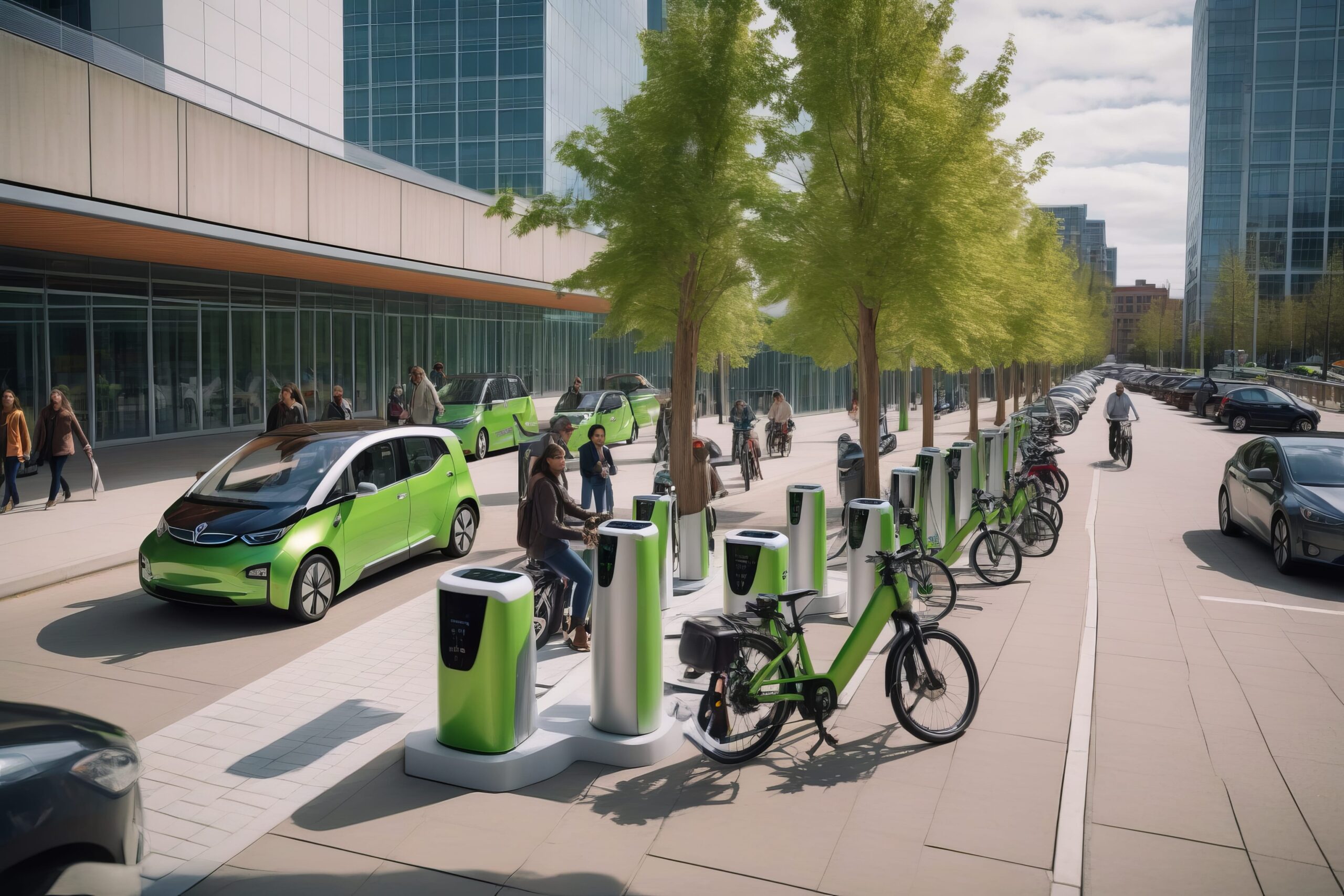
Sustainability goes beyond vehicles—it includes the ecosystem surrounding them. Cities are now designing green mobility hubs that combine public transport, EV charging, cycling, and pedestrian pathways in one integrated system. Policies that encourage EV adoption, such as subsidies, dedicated lanes, and low-emission zones, further strengthen the shift toward sustainability. By embedding EV infrastructure into urban planning, governments are creating cities that are not just smarter but also environmentally resilient.
Conclusion
The rise of sustainable urban transport solutions with EVs marks a crucial turning point in shaping the future of mobility. Electric vehicles are helping cities transition to cleaner, quieter, and more energy-efficient transportation systems. As innovation, policy support, and public awareness continue to grow, EVs will remain the cornerstone of sustainable urban development—powering the movement toward a greener tomorrow.
Share this content:
Post Comment