Green Manufacturing Techniques for Electric Vehicles
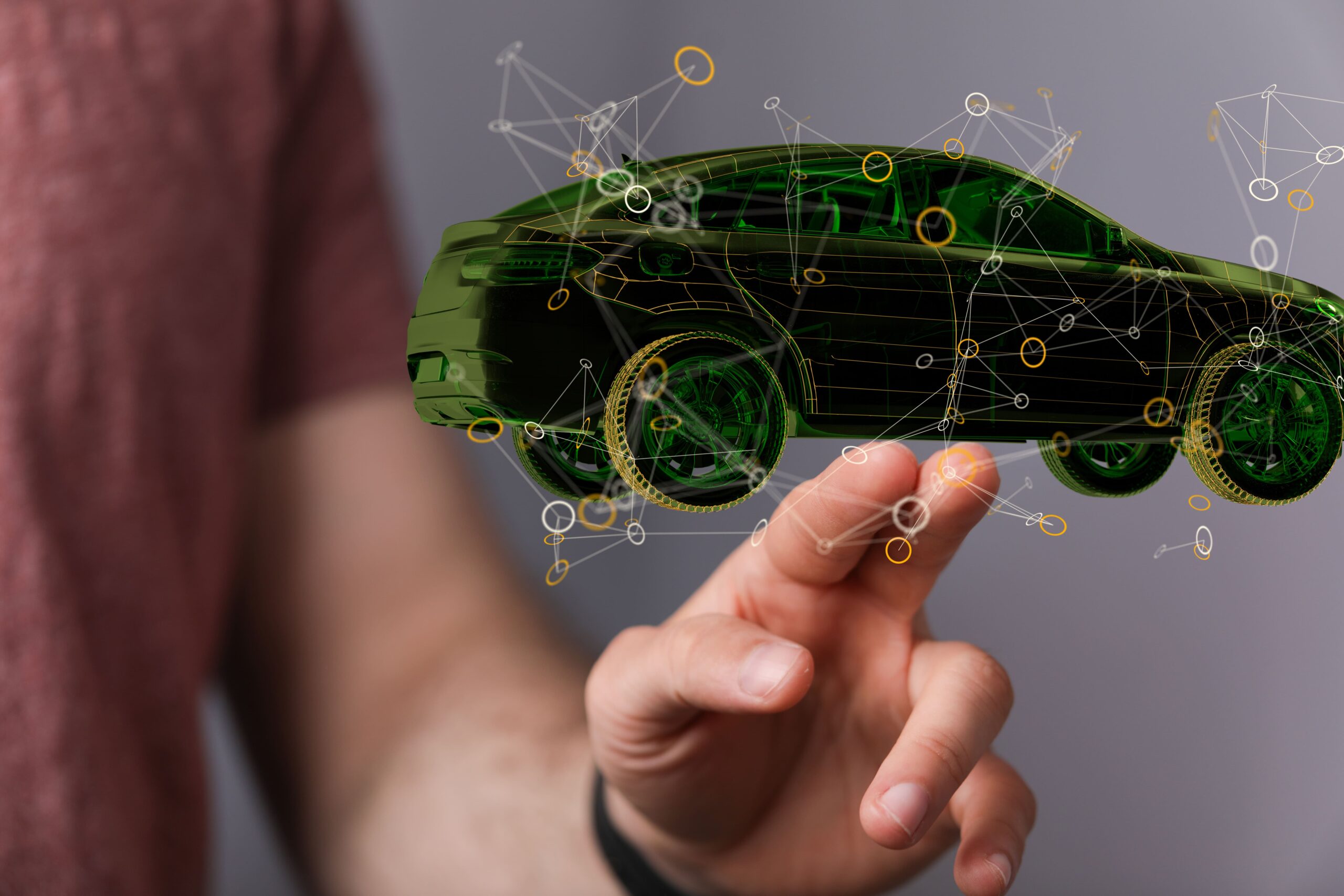
As the global demand for electric vehicles (EVs) continues to rise, manufacturers are not only focusing on cleaner energy for driving but also on making the production process itself more sustainable. Green manufacturing techniques are transforming how EVs are built—reducing waste, saving energy, and minimizing the environmental footprint from start to finish. By embracing eco-friendly innovations, automakers are leading the shift toward a truly sustainable mobility ecosystem.
Sustainable Materials and Resource Efficiency
One of the most effective ways to make EV production greener is through the use of sustainable and recyclable materials. Manufacturers are increasingly using recycled aluminum, bio-based plastics, and natural fibers in place of traditional, energy-intensive materials. For instance, BMW’s i-series and Polestar vehicles integrate interior components made from recycled fishing nets, cork, and plant-based fibers. These changes reduce carbon emissions during production while promoting circular resource use. Efficient material utilization and closed-loop recycling systems ensure minimal waste and lower overall energy consumption in manufacturing.
Renewable Energy in Production Facilities
Leading EV manufacturers are now powering their factories with renewable energy sources such as solar, wind, and hydropower. Tesla’s Gigafactories, for example, are designed to run entirely on renewable energy, while Volvo and Volkswagen have committed to carbon-neutral production by integrating solar panels and wind farms into their supply chains. Using renewable power not only cuts emissions but also aligns production processes with the sustainability goals of the EVs themselves—creating a truly green product from factory to road.
Water Conservation and Waste Reduction Practices
Water and waste management are crucial elements of green manufacturing. Automakers are adopting closed-water loop systems that recycle and purify water used in production, significantly reducing industrial water consumption. Techniques such as dry painting processes and solvent-free coatings lower both waste and chemical pollution. Additionally, smart manufacturing systems powered by AI and IoT help monitor resource usage, detect inefficiencies, and optimize energy consumption, ensuring every step of the process contributes to sustainability.
Conclusion
Green manufacturing techniques are redefining how electric vehicles are made—ensuring that sustainability extends beyond the vehicle’s tailpipe to its very creation. Through renewable energy use, sustainable materials, and efficient resource management, the EV industry is setting new standards for environmentally responsible production. As innovation continues, these practices will play a crucial role in achieving a cleaner, circular, and carbon-neutral future for the automotive world.
Share this content:



Post Comment